Germany
Deutschland8 regions
Germany suits anyone who wants the Christmas market in the country that made it, with a market in nearly every town and fast trains between them. The trade-off is timing. Most big markets close on 22 or 23 December, and the whole country goes quiet for 25 and 26 December. Base yourself in Nuremberg, Dresden or Cologne and you can reach three or four more market towns by regional train in a week.
How Germany keeps Christmas
- ChristkindThe Christkind brings the presents on the evening of 24 December across the more Catholic south of the country. In many homes a small bell rings to say it has been and gone.
- WeihnachtsmannFamilies in the north and east usually wait for the Weihnachtsmann on Christmas Eve. In some homes he knocks at the door in person and asks the children whether they have been good.
- St Nicholas (Nikolaus)Children put a boot outside the door on the evening of 5 December and wake to find it filled with sweets. In Catholic towns he often appears in a bishop's robes with Knecht Ruprecht at his side.
Advent starts on the fourth Sunday before Christmas, which is 29 November in 2026, and most homes light one more candle on their Advent wreath each Sunday after that. The wreath goes back to Hamburg in 1839, where the Lutheran pastor Johann Hinrich Wichern set candles on an old cartwheel at his Rauhes Haus mission school. German Catholics took it up in the 1920s. Children count down with an Advent calendar of 24 doors and a chocolate behind each one.
St Nicholas comes on the night of 5 December. In Bavaria the Krampus has come back as an Alpine folk custom, and Munich's Christkindlmarkt holds a Krampus run through the old town on Sunday 13 December 2026, with Krampus groups from across the Alps. The organizer pitches it as a show you can watch up close and says many children stand in the front row. The masked figures carry chains and rods and they will come right up to the crowd, so hold small children's hands and give them room to step back.
The big markets open between 16 and 27 November 2026. Cologne and Munich start a week or more before Advent and close for Sunday 22 November, because Totensonntag is a quiet day of remembrance in many states. Nuremberg's Christkindlesmarkt and Dresden's Striezelmarkt stay open until 14:00 on 24 December. Frankfurt shuts on the 22nd and Stuttgart on the 23rd.
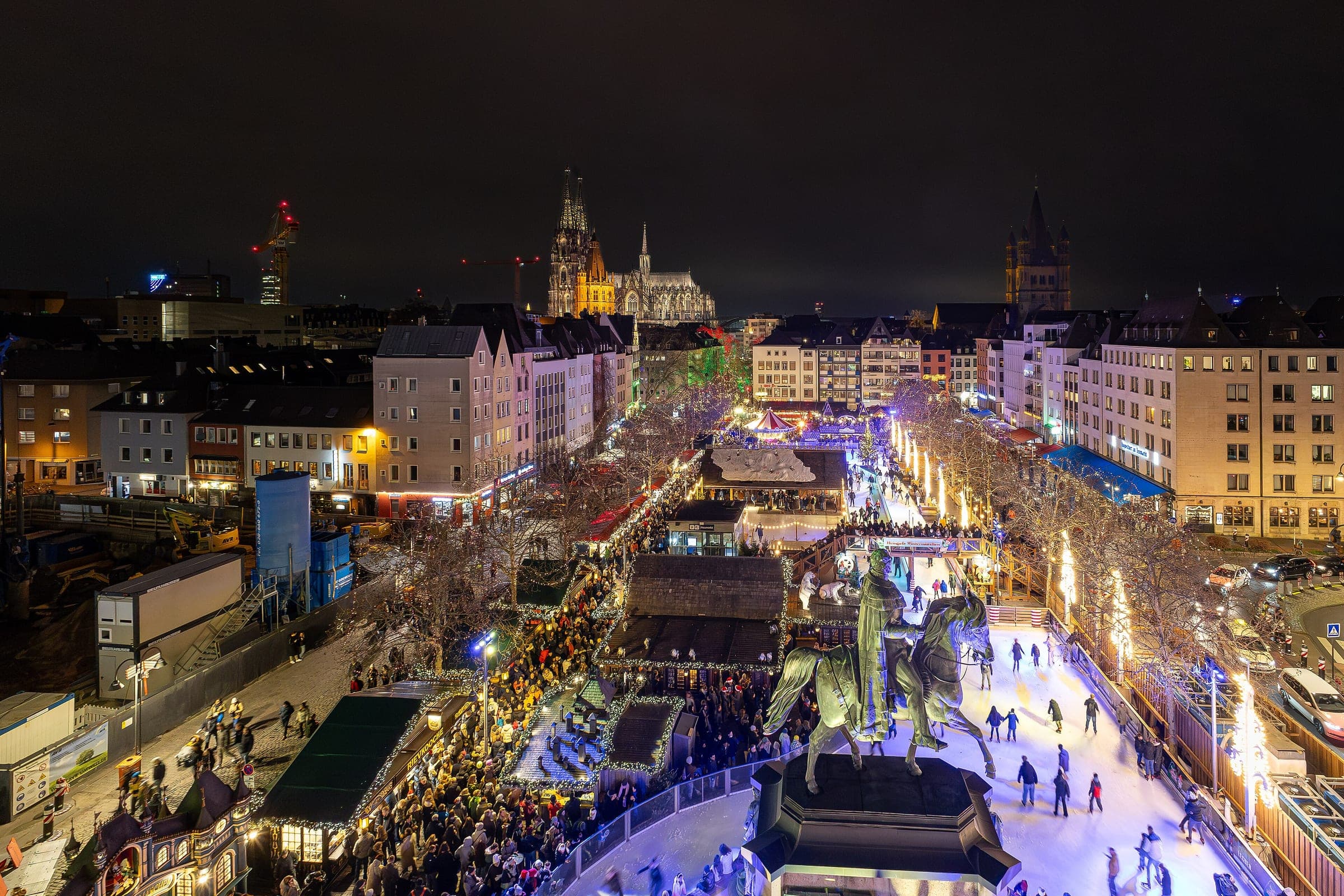
Shops and most businesses close by the afternoon of 24 December, and the evening belongs to families, who often go to a church service before the Bescherung, when the presents come out. Christmas Day and 26 December are public holidays in every state. A handful of winter markets carry on past Christmas: Berlin's WeihnachtsZauber on the Gendarmenmarkt runs to 31 December, and Cologne's Heinzels Wintermärchen on the Heumarkt reopens on 26 December and runs into January.
Germany by region
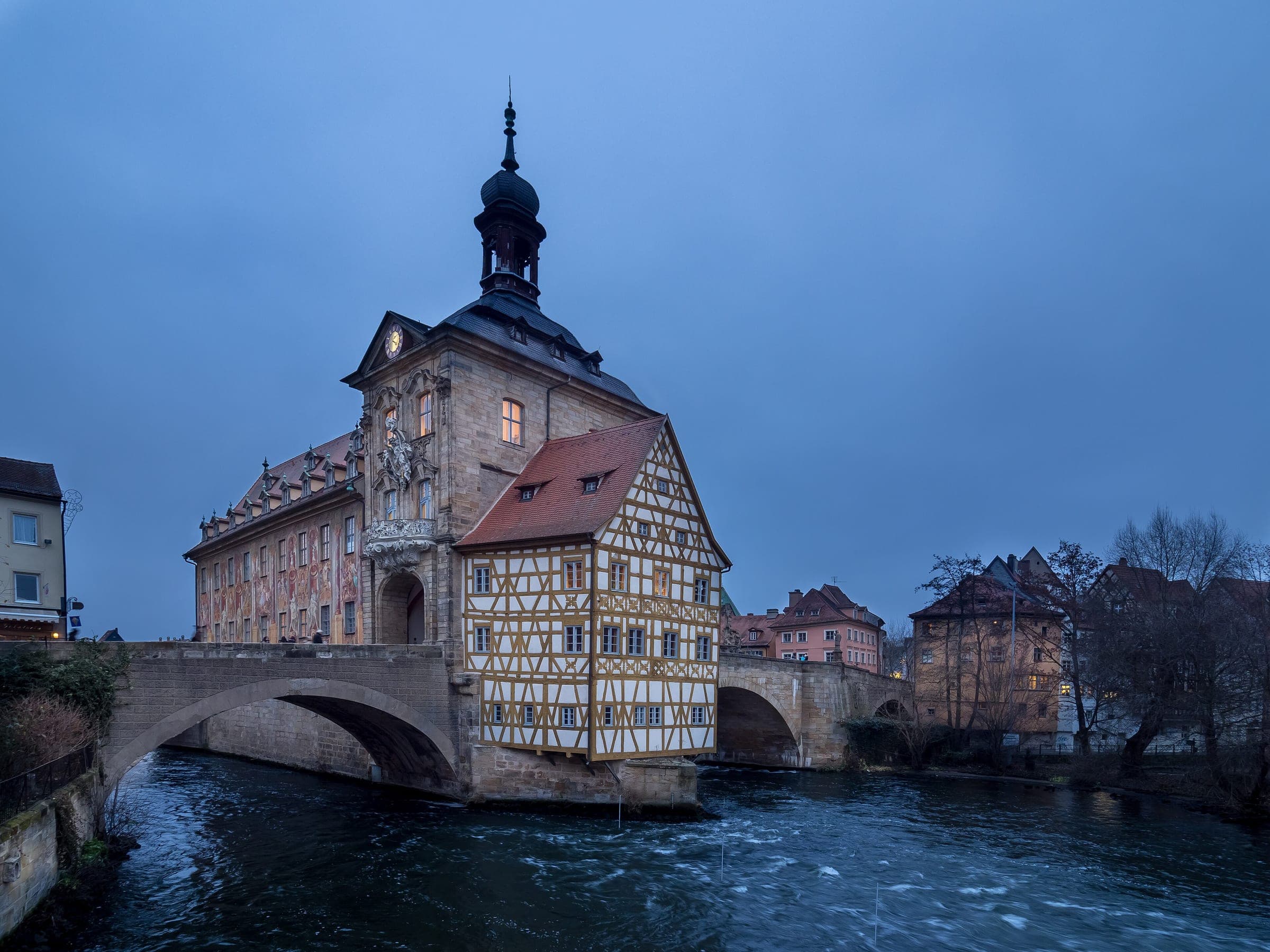
- FranconiaNuremberg's Christkindlesmarkt leads, and the city counted more than two million visits to it in 2024, so expect a full Hauptmarkt. Stay in Nuremberg and take day trips out to Bamberg for the nativity cribs and smoked beer, or spend a night inside Rothenburg's walls once the day visitors leave. Most of Franconia's markets close on 23 December, and Nuremberg's own shuts at 14:00 on Christmas Eve.
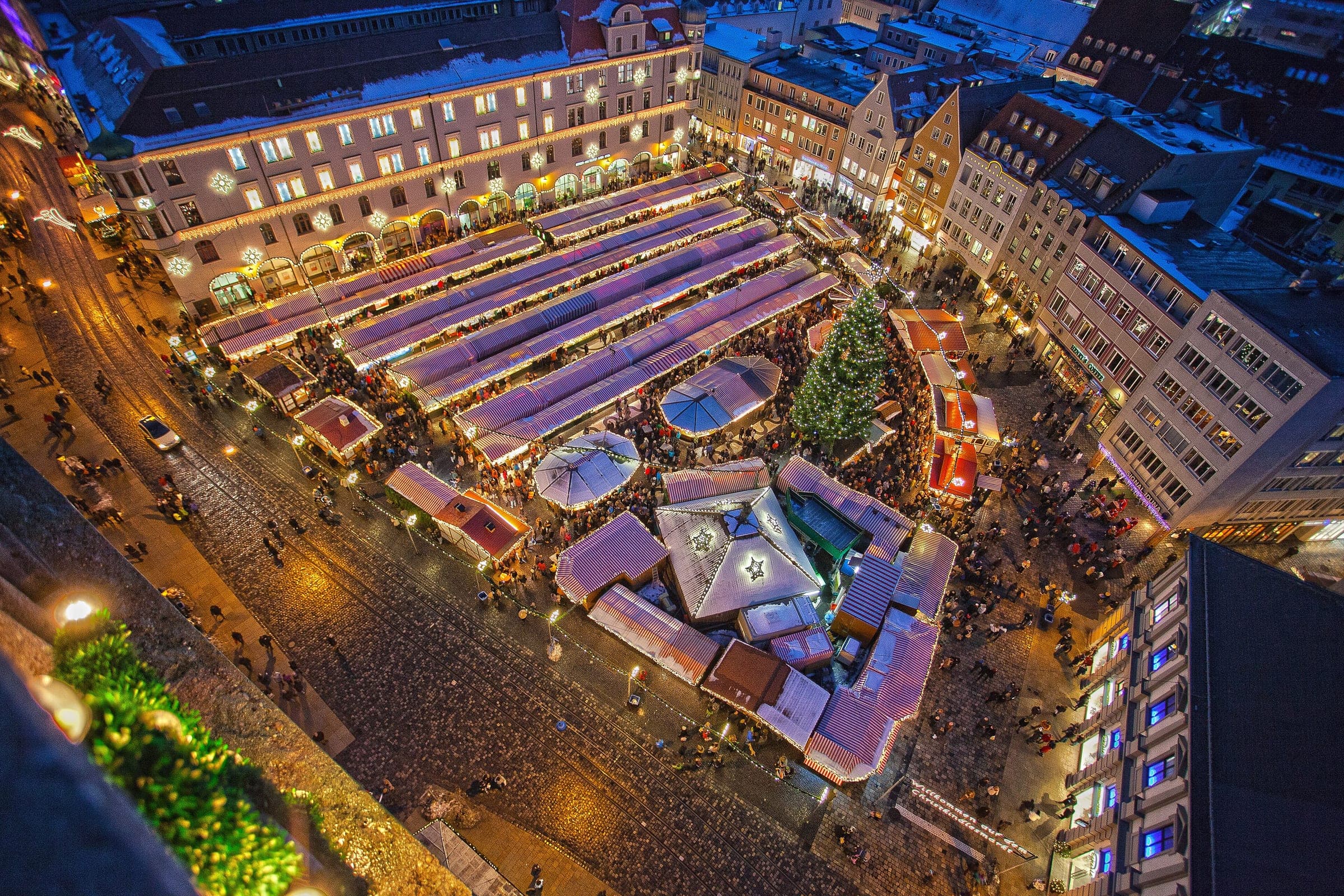
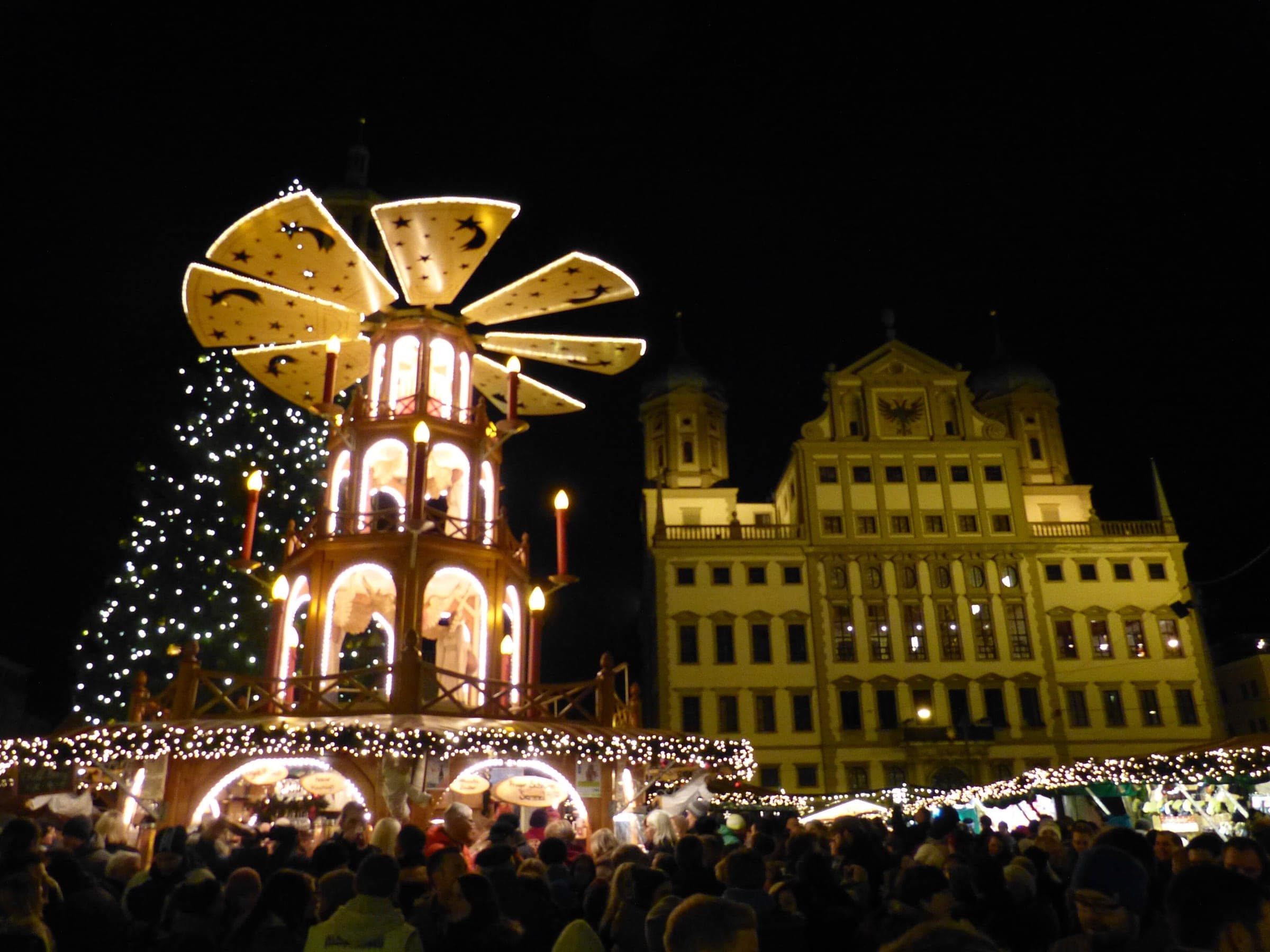
- BavariaThe Christkindlmarkt under the New Town Hall on Marienplatz leads Munich's five markets, and direct trains run from the city to Augsburg and Regensburg. Couples like Regensburg, where one of the markets fills the Thurn und Taxis palace courtyard and charges entry. If Lake Constance is on your list, go to Lindau between Thursday and Sunday, because the harbour market stays shut midweek.
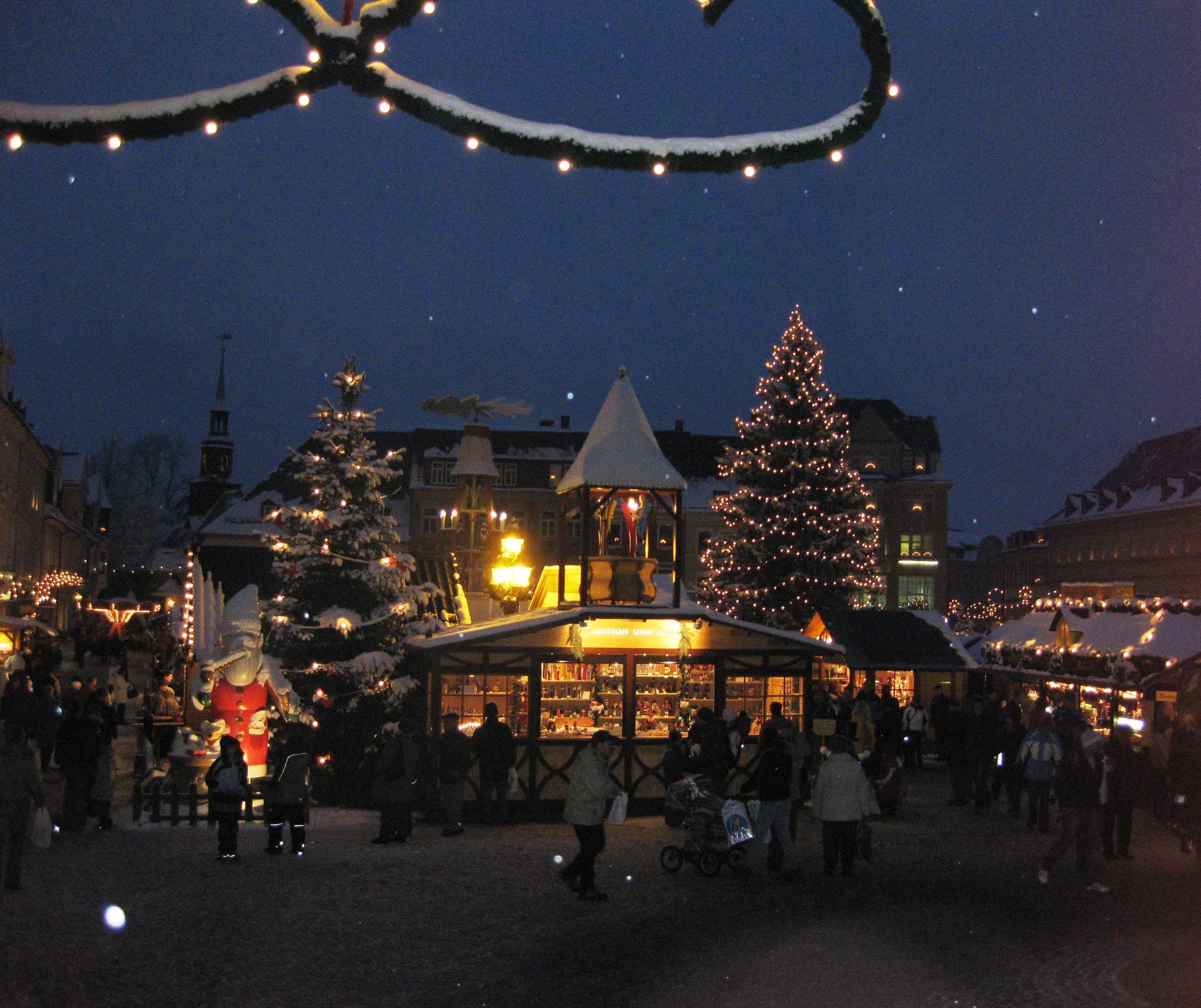
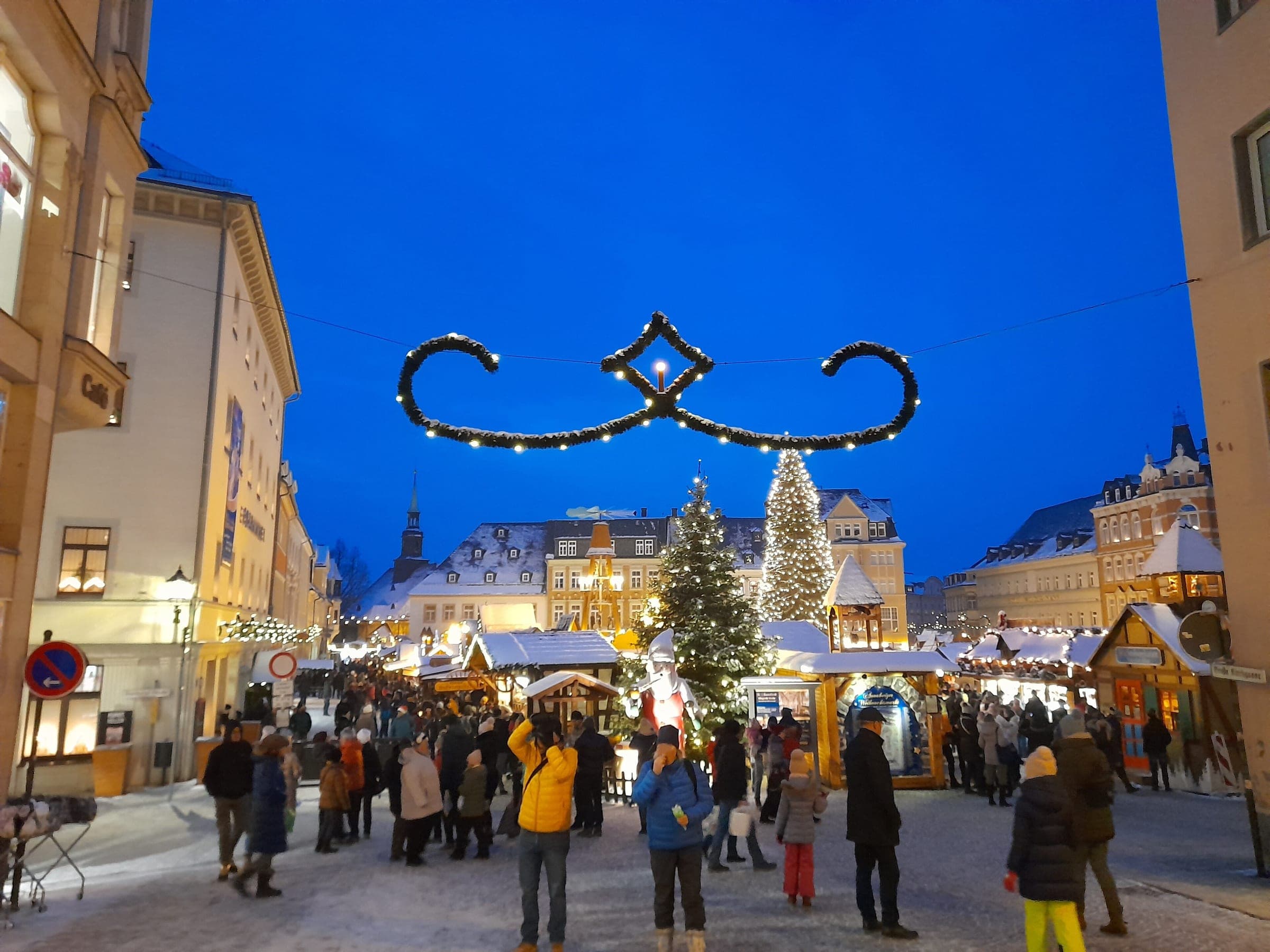
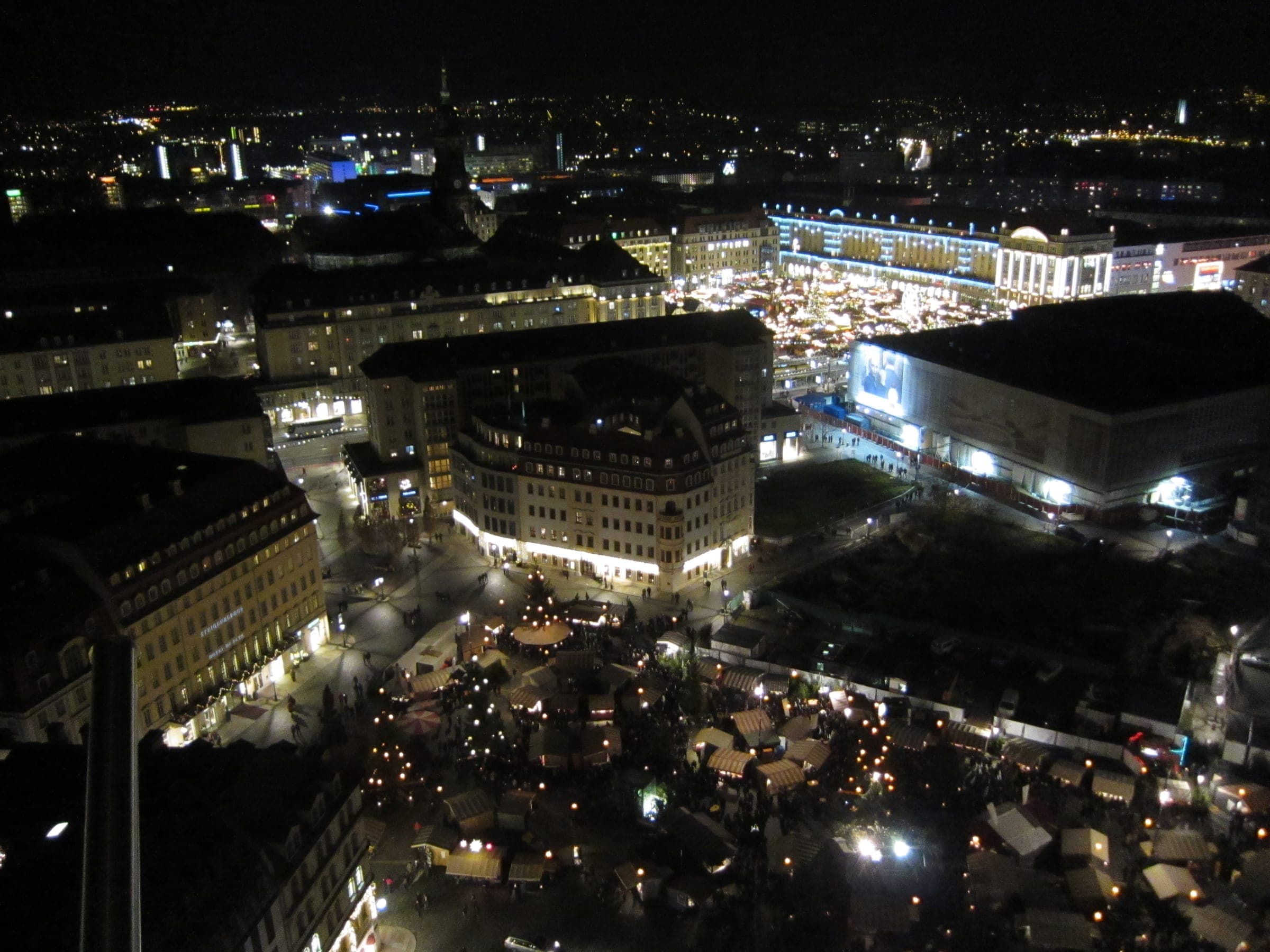
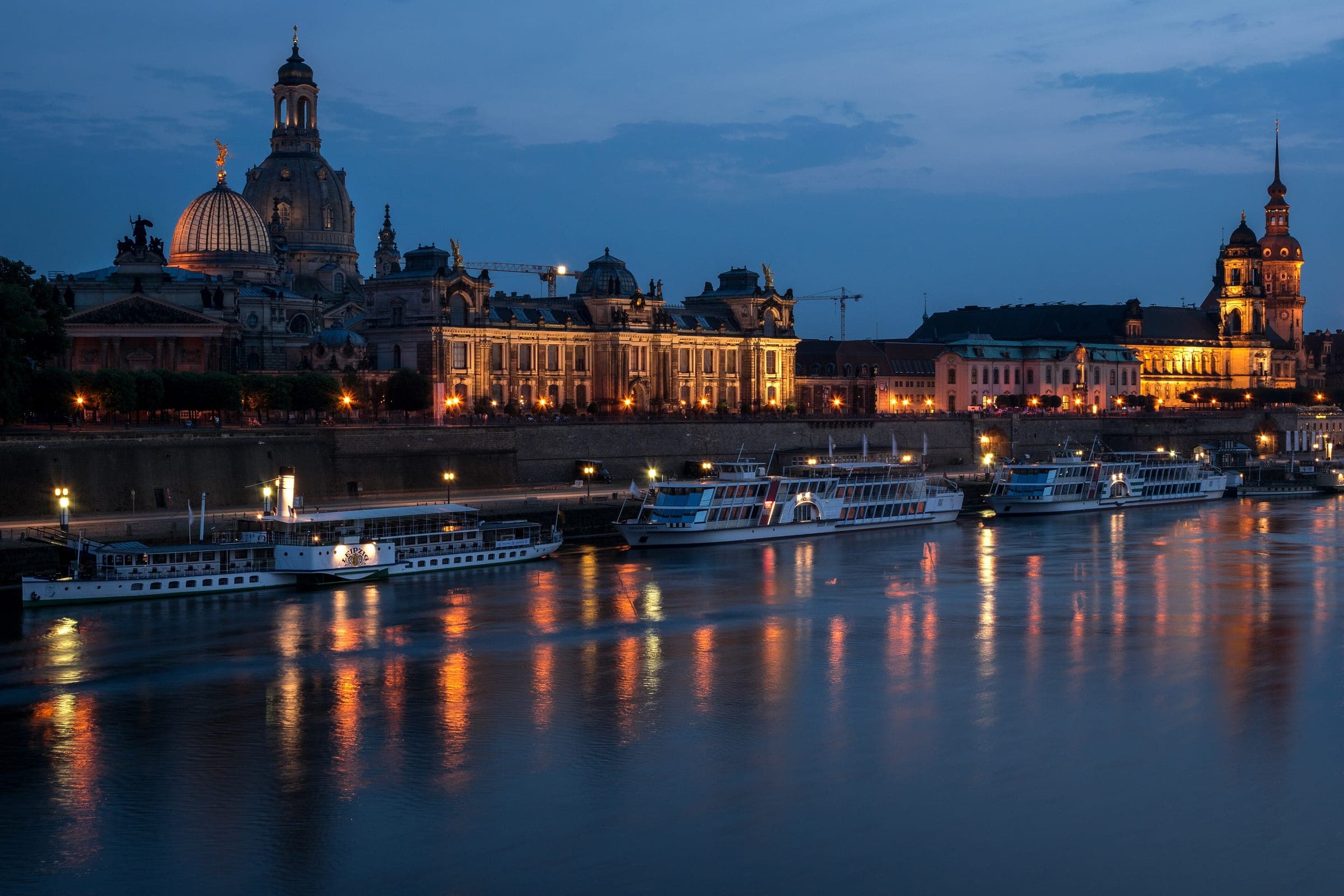
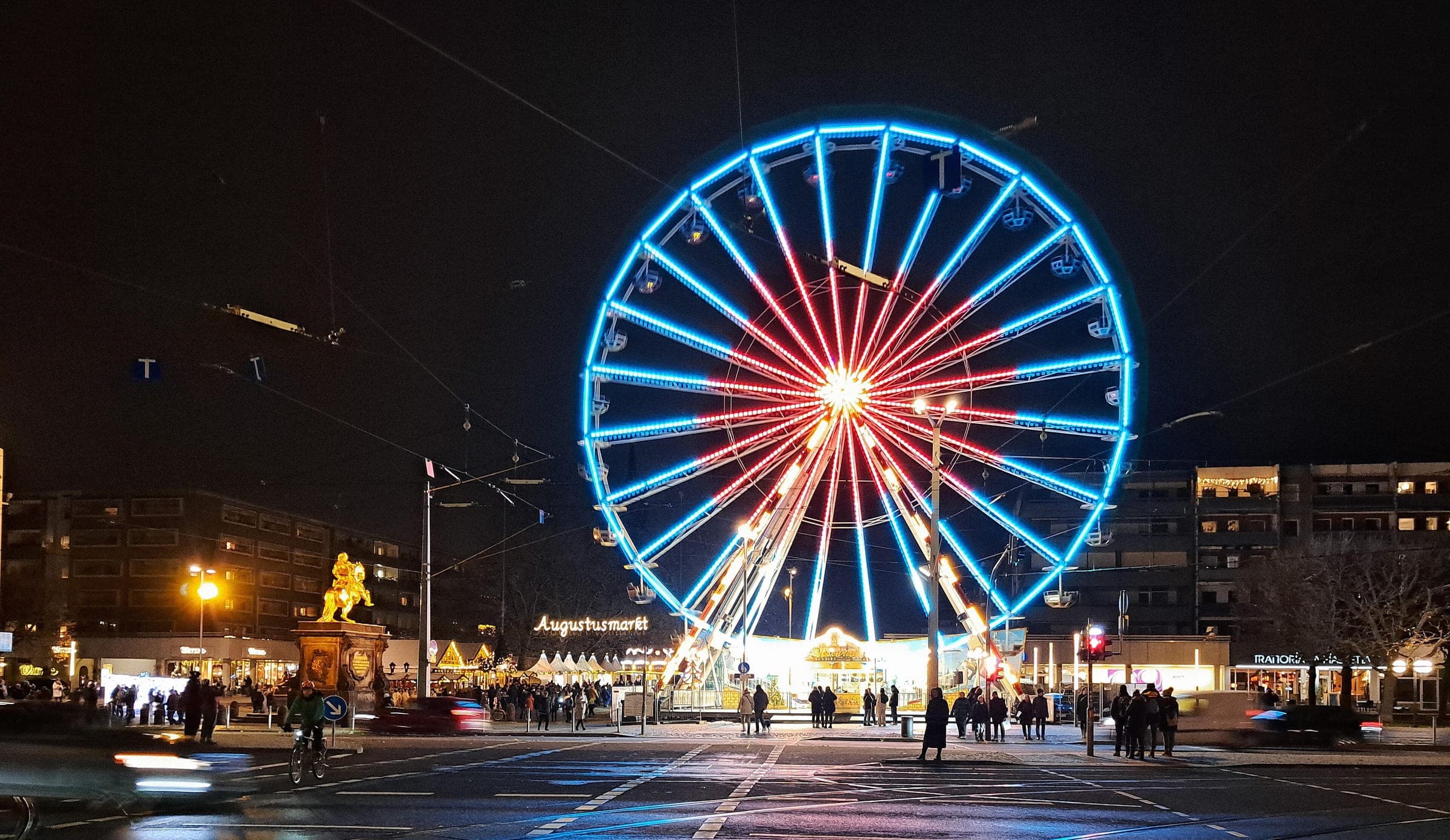
- Saxony and the Ore MountainsDresden puts the Striezelmarkt and three other markets within walking distance of each other, and December is the city's busiest hotel month, so book early. Leipzig threads about 300 stalls through its compact centre. In the Ore Mountains Seiffen sells woodcraft straight from the workshops that make it, and since its stalls close at 17:00 on weekdays, a Saturday visit gives you the evening as well.
- Berlin and BrandenburgBerlin gives you a different big market every evening, from the lit-up Gendarmenmarkt, which charges entry outside weekday lunchtimes, to the ice rink and big wheel at the Rotes Rathaus. Potsdam makes an easy day out from the city, and its Weihnachtszauber stretches along the old-town shopping street. Plan Christmas Eve with care, because the markets at the Rotes Rathaus and Charlottenburg Palace both close that day.
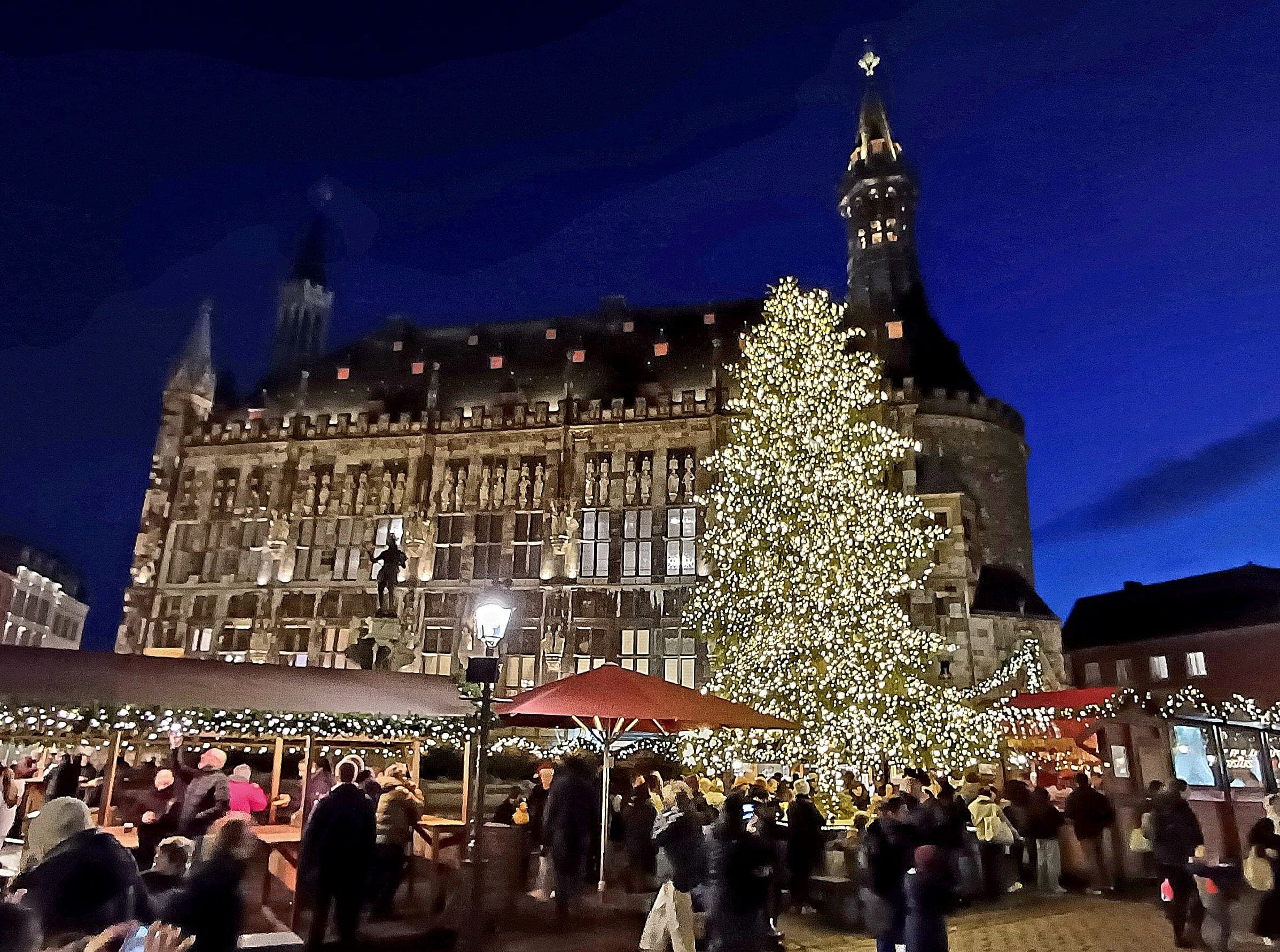
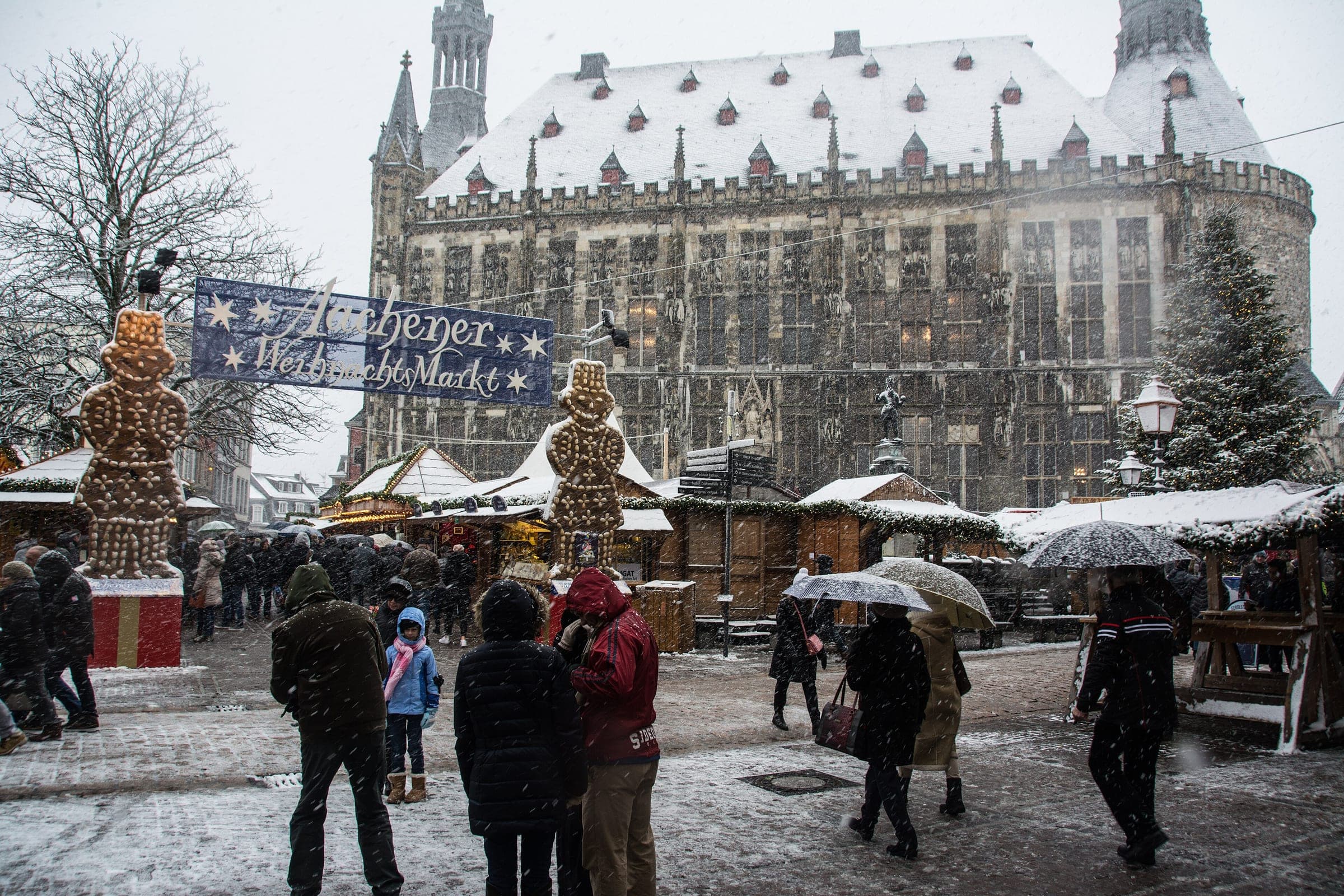
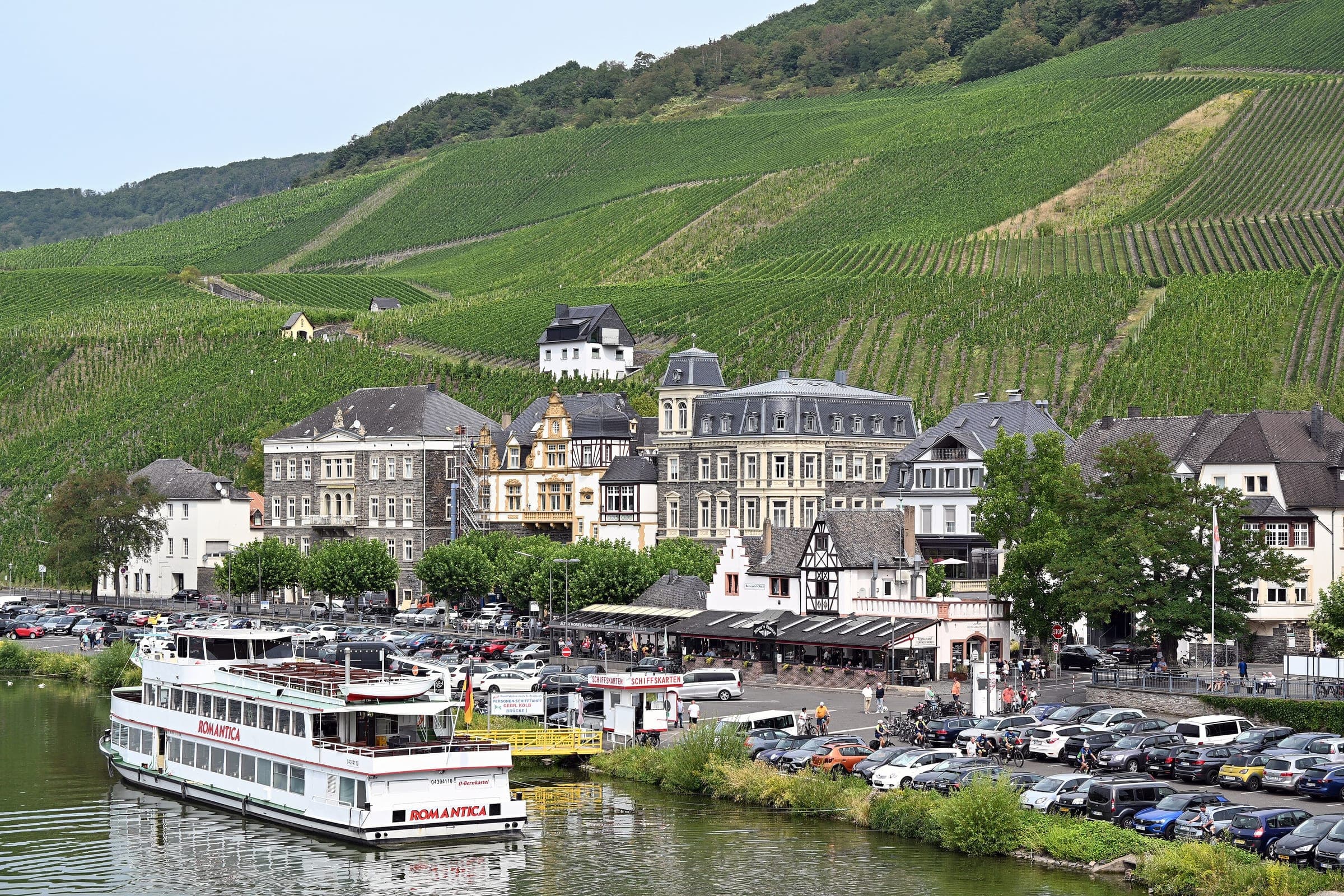
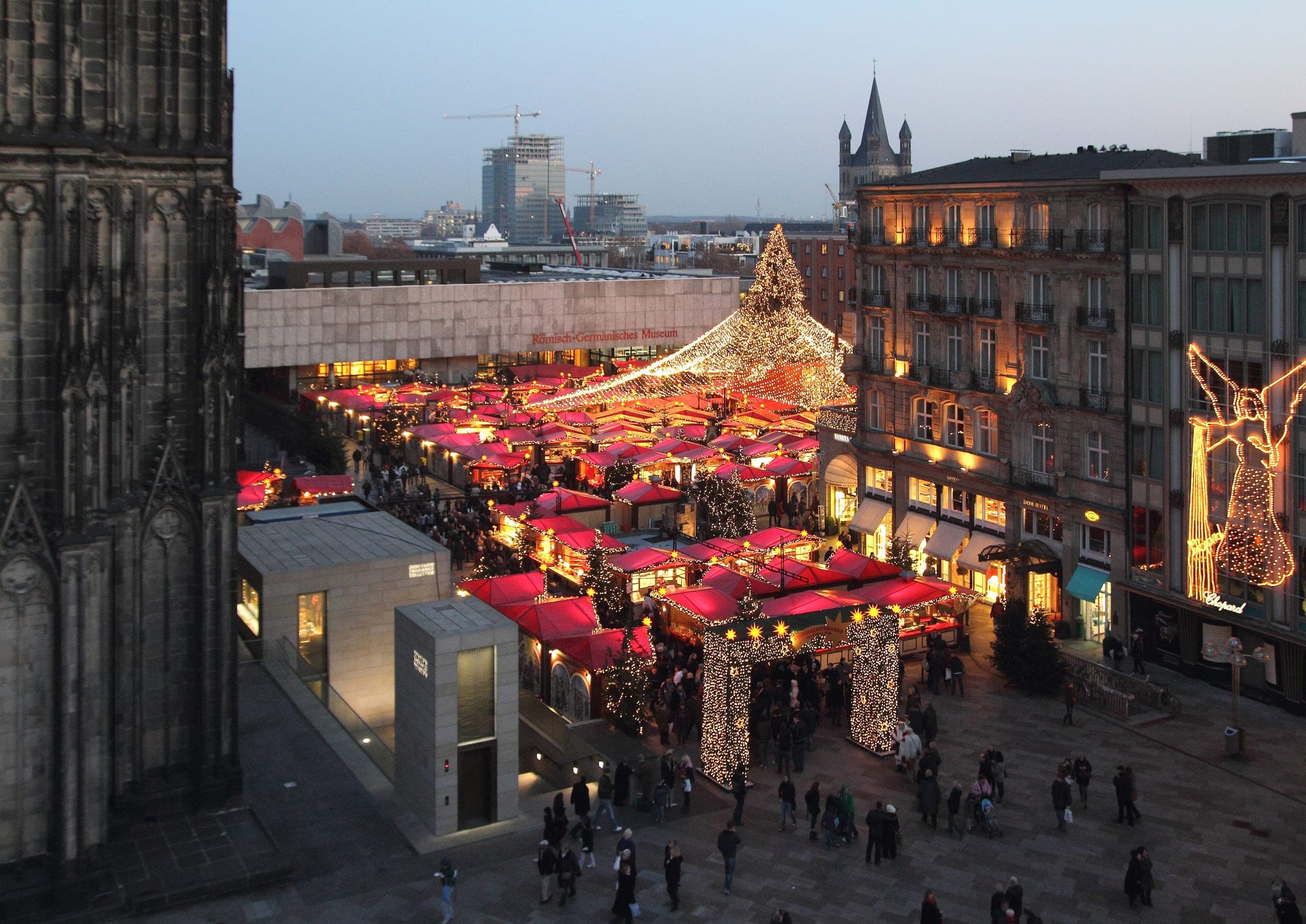
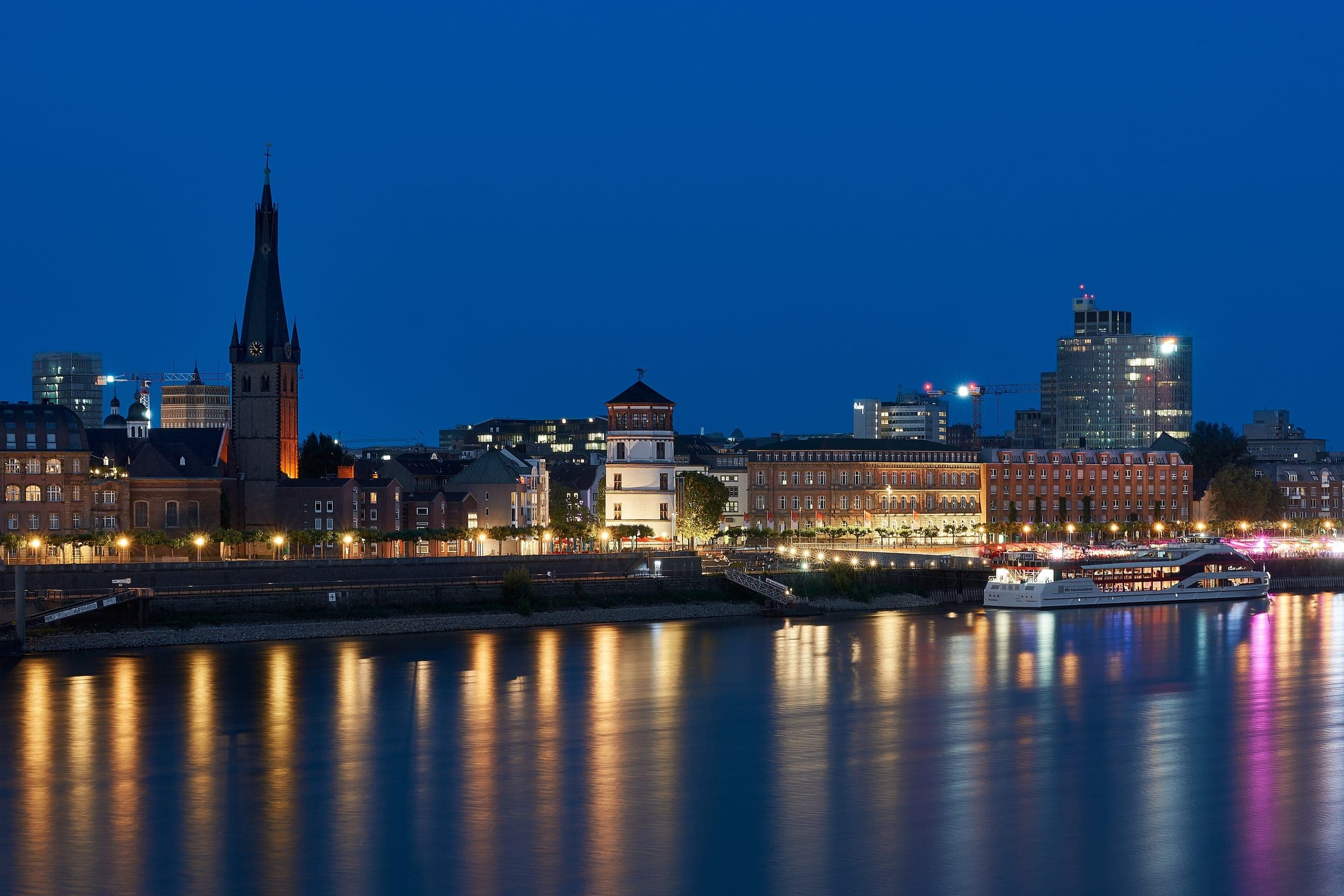
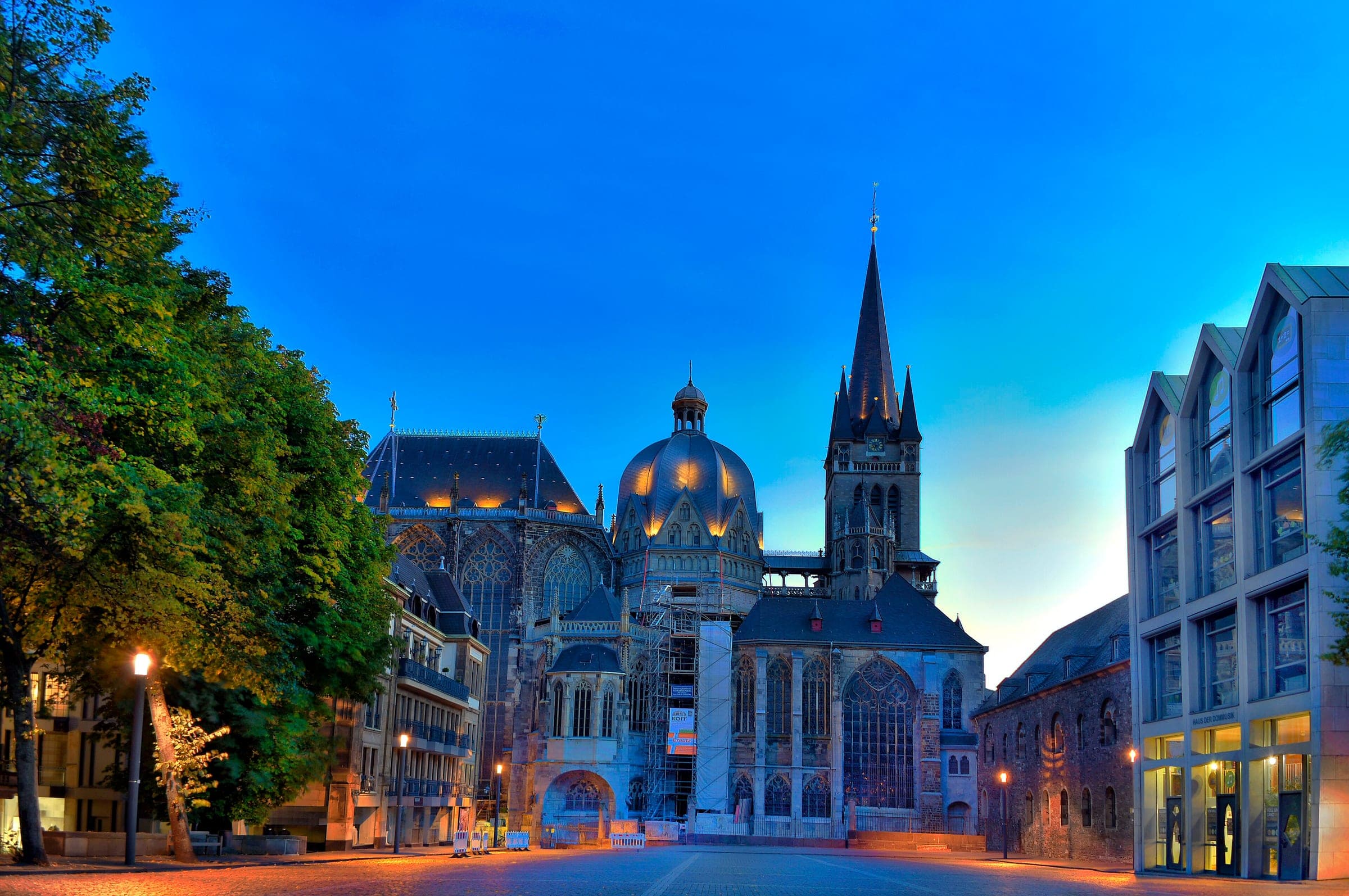
- The RhinelandCologne makes the natural base, since four big markets sit within walking distance of the cathedral and fast trains run out to Aachen and Düsseldorf. The cathedral market on Roncalliplatz is the classic scene, and in 2026 the garage under it is being repaired, so keep some room in your plans. Couples after wine and quiet can head up the Moselle to Bernkastel-Kues, which you reach by bus or car.
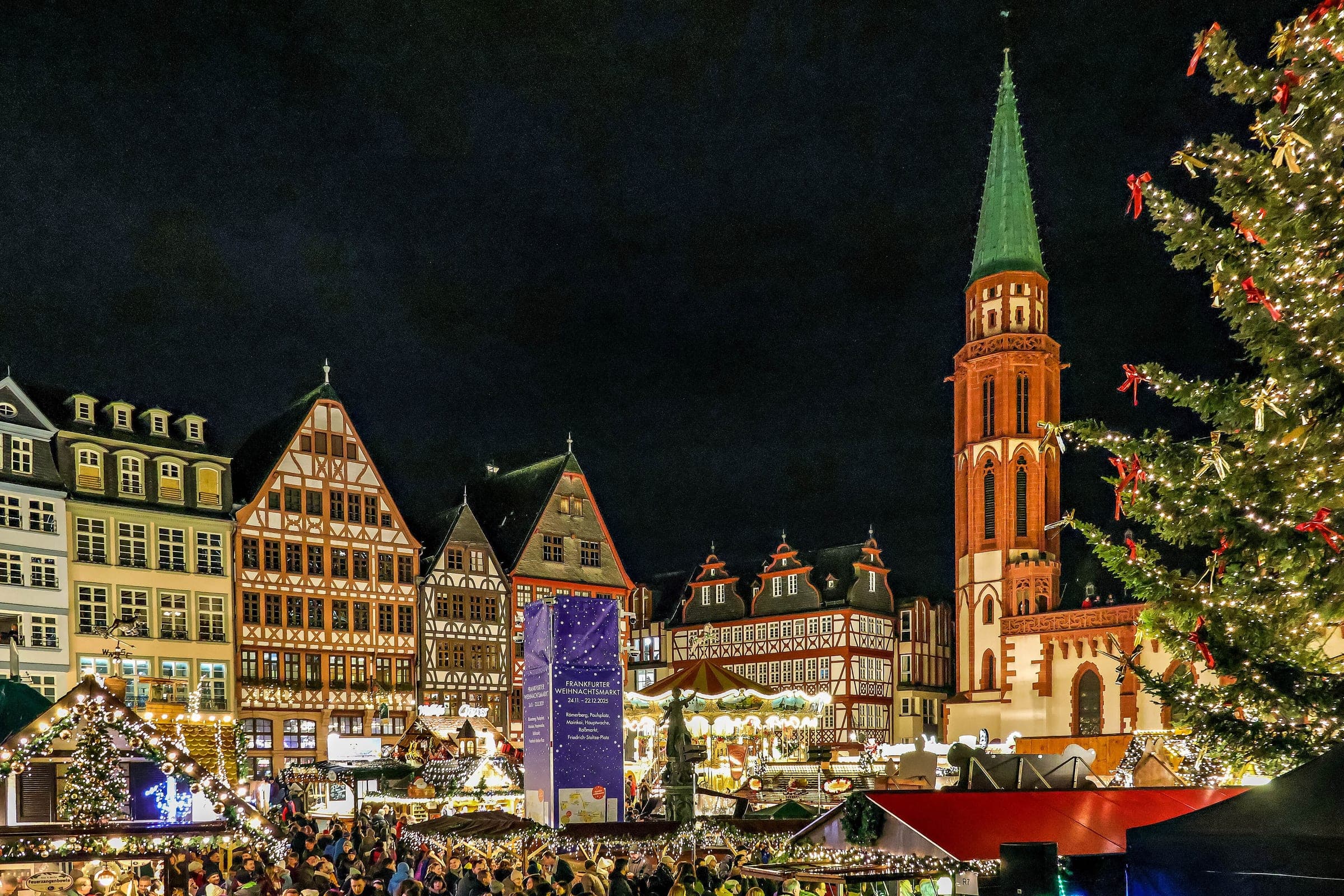
- Frankfurt and the Rhine-MainFrankfurt suits a first night off a long-haul flight, because the S-Bahn runs from the airport straight to a market spread across six squares of the Altstadt. The S8 carries on to Mainz and Wiesbaden for their own markets, and Michelstadt makes a half-timbered day out in the Odenwald from Wednesday to Sunday. Frankfurt's market ends on 22 December, so anyone arriving later finds the squares cleared.
- Stuttgart and the NeckarStuttgart's market of about 250 stalls leads, and from one hotel there the S-Bahn takes you out to Esslingen's medieval market or Ludwigsburg's baroque square. Tübingen and Heidelberg make longer day trips by regional train. Weekend evenings get crowded, and Esslingen's organizer asks wheelchair users and parents with prams to come on a weekday.
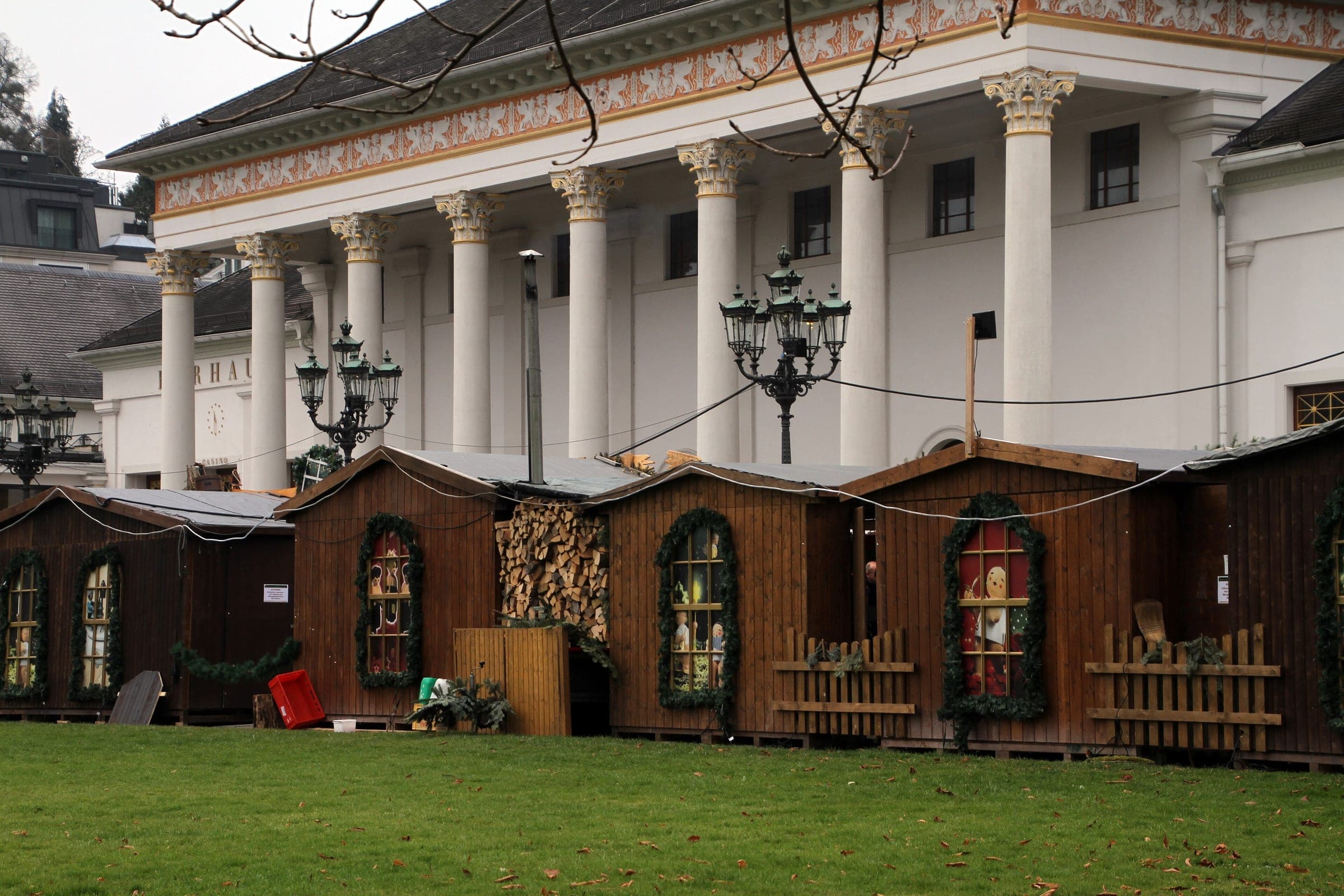
- The Black ForestFreiburg makes the practical base, because its market spreads through the old town and trains stop there on the Rhine valley main line. Gengenbach opens a window of its Rathaus Advent calendar at 18:00 each evening, and Baden-Baden keeps its Kurhaus market going until 6 January 2027. The Ravenna Gorge market needs a timed ticket bought online, and the sale opens on 14 October.
Market in Germany
Town in Germany
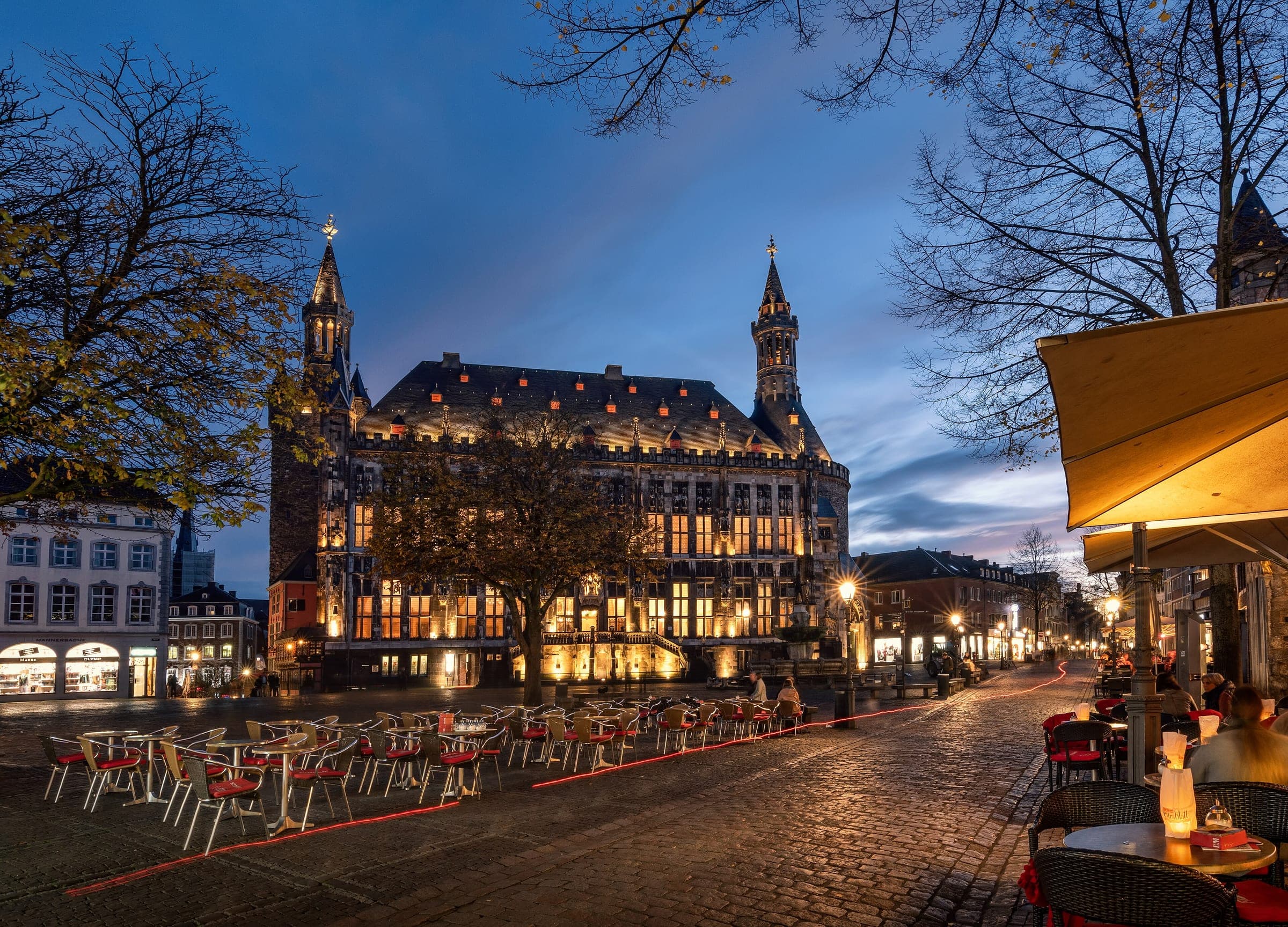
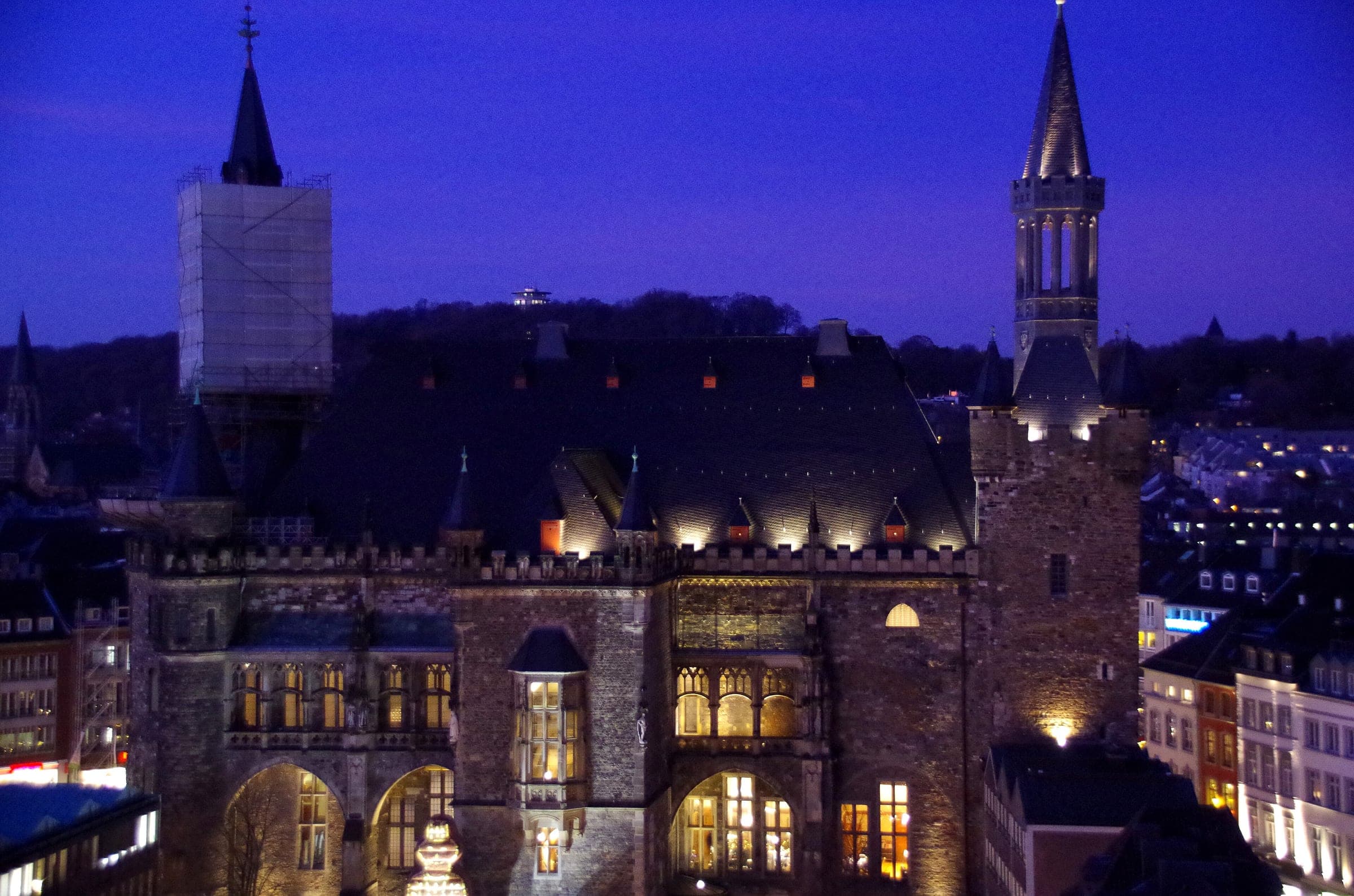
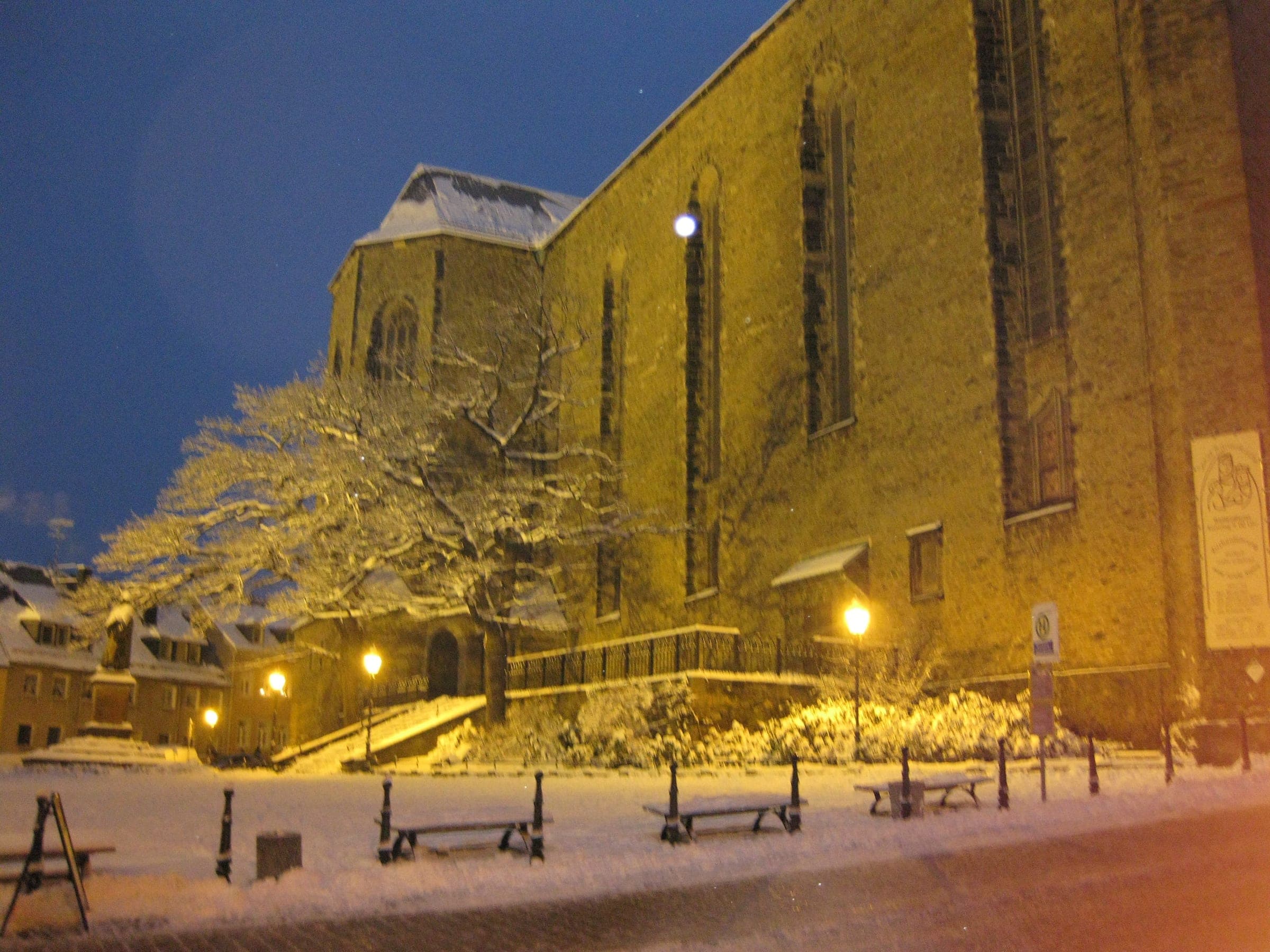
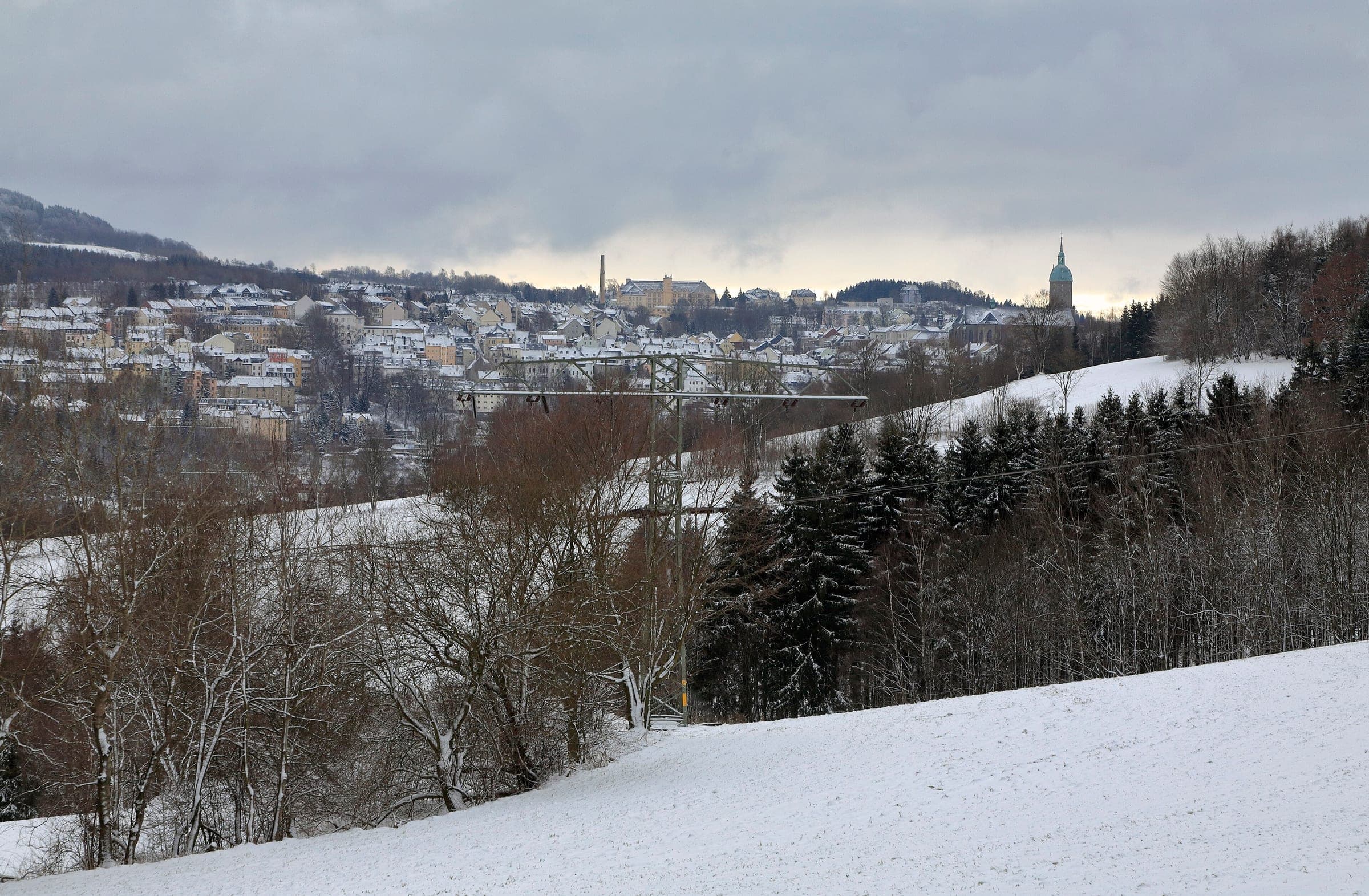
Light festival in Germany
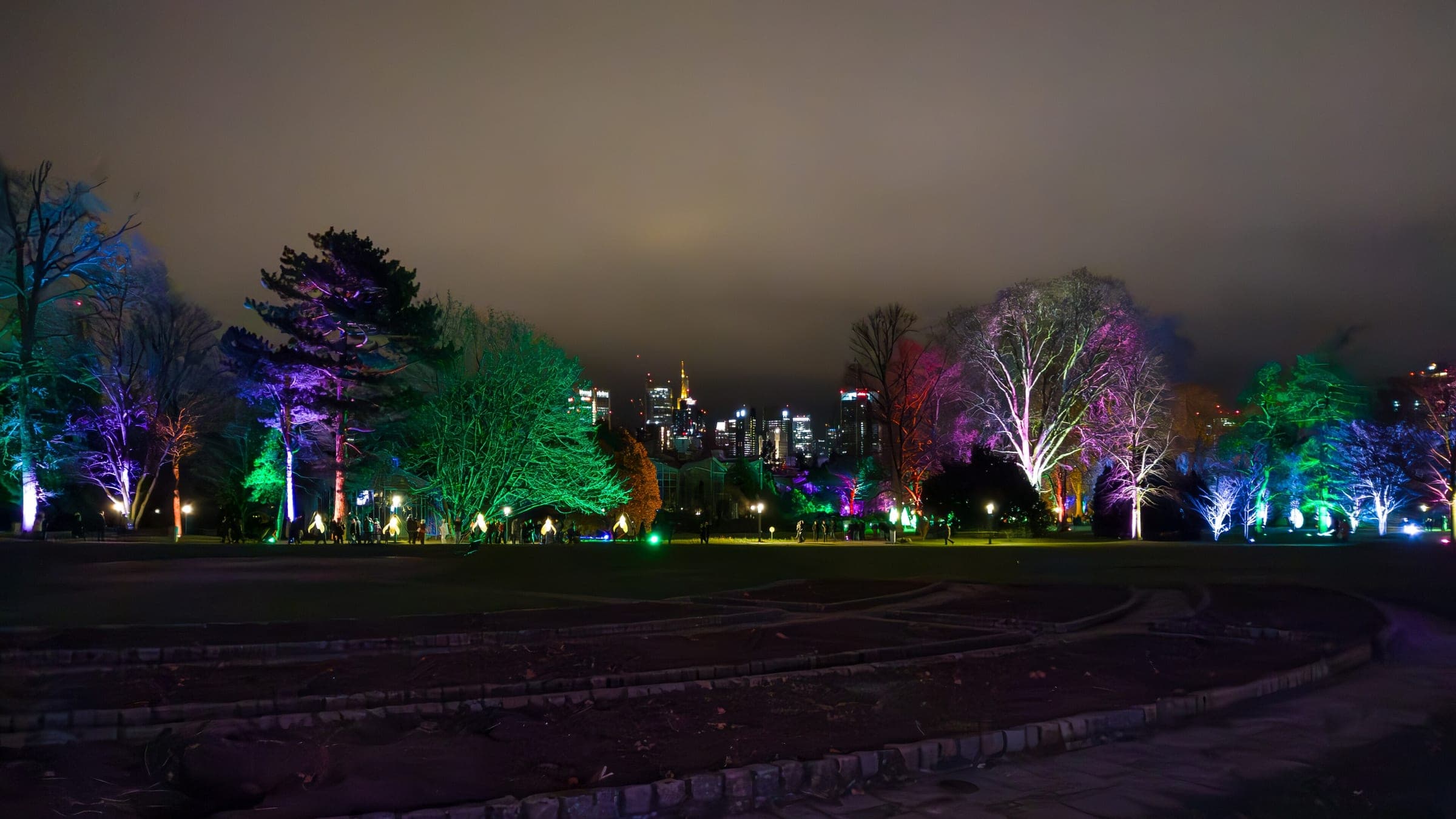
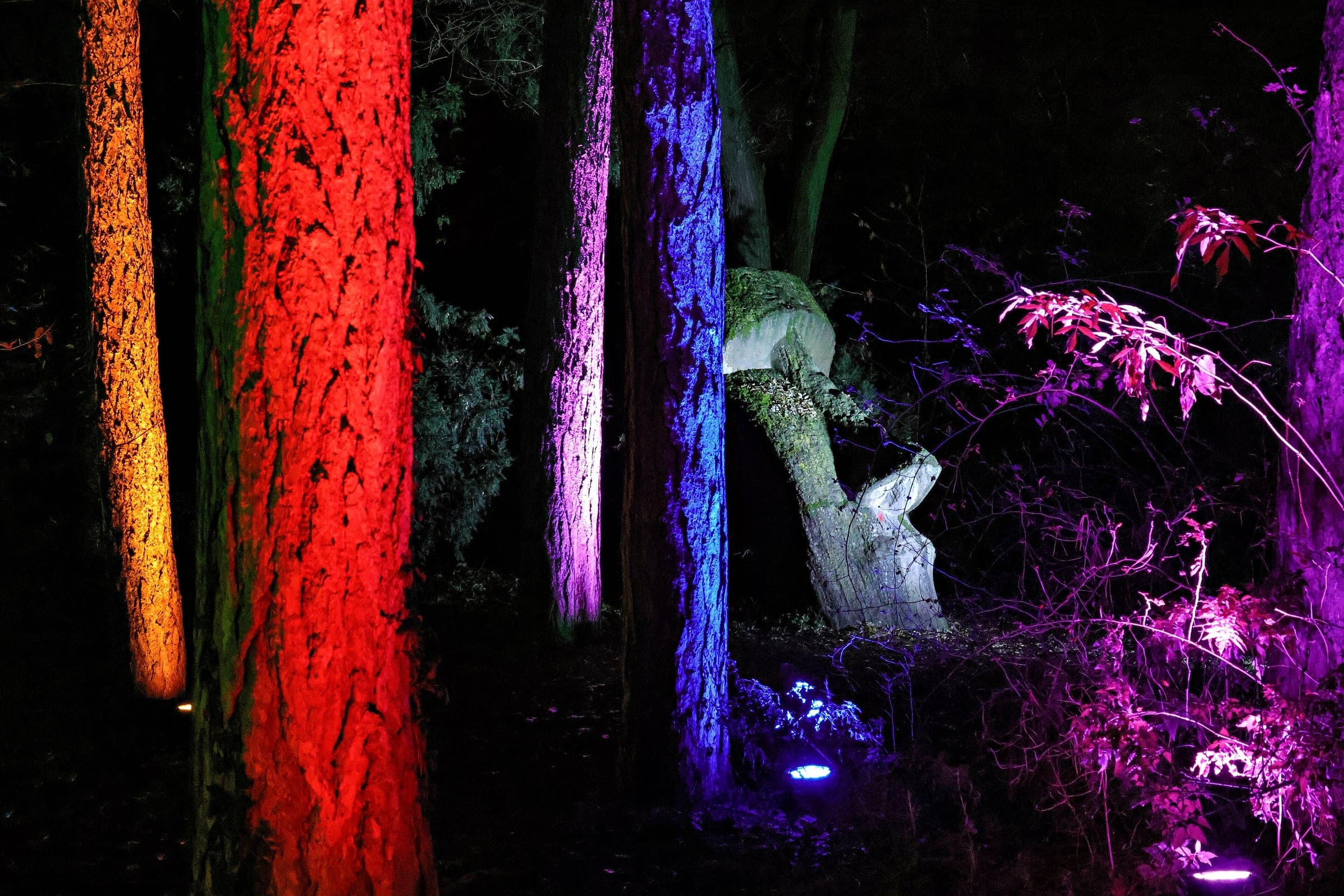
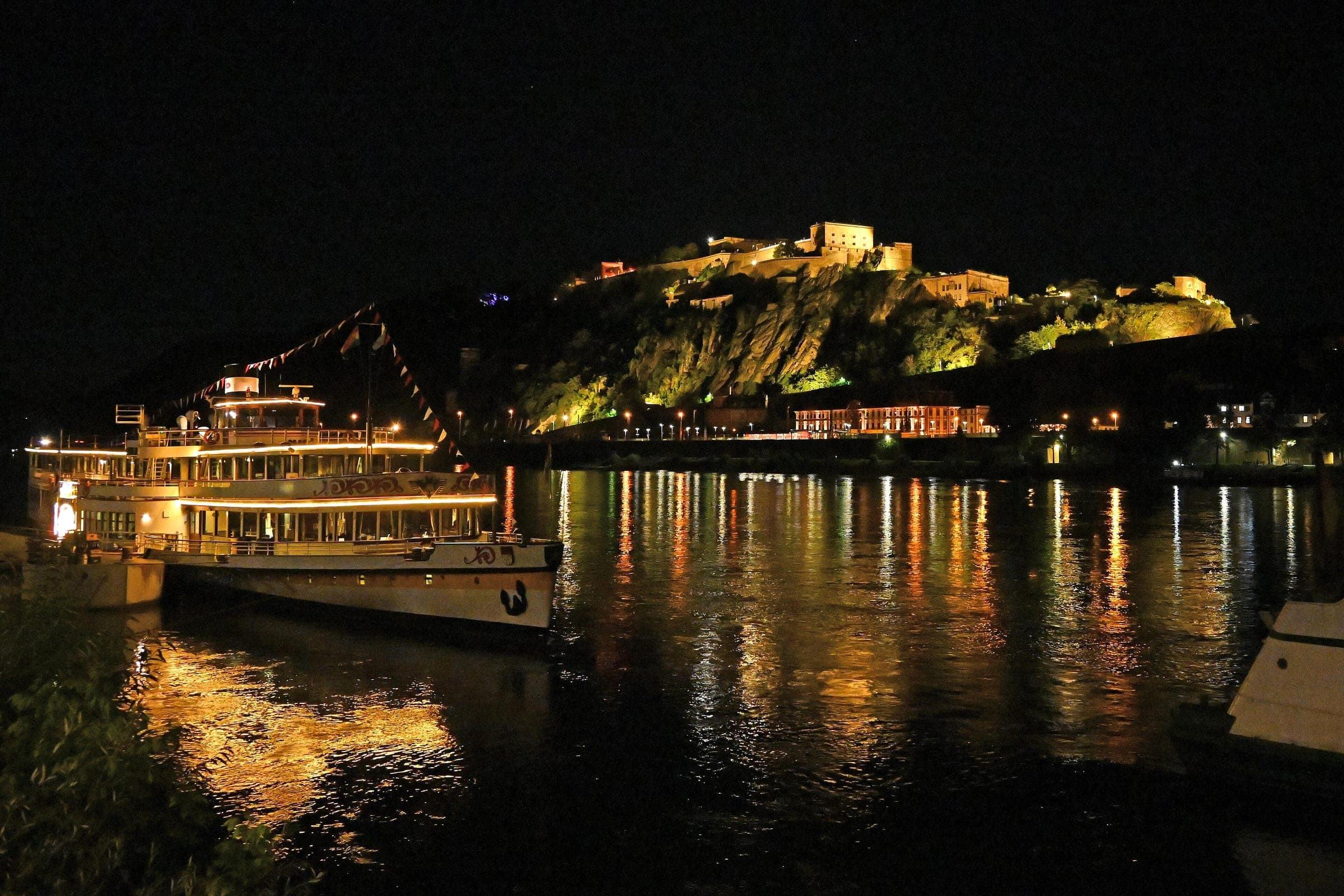
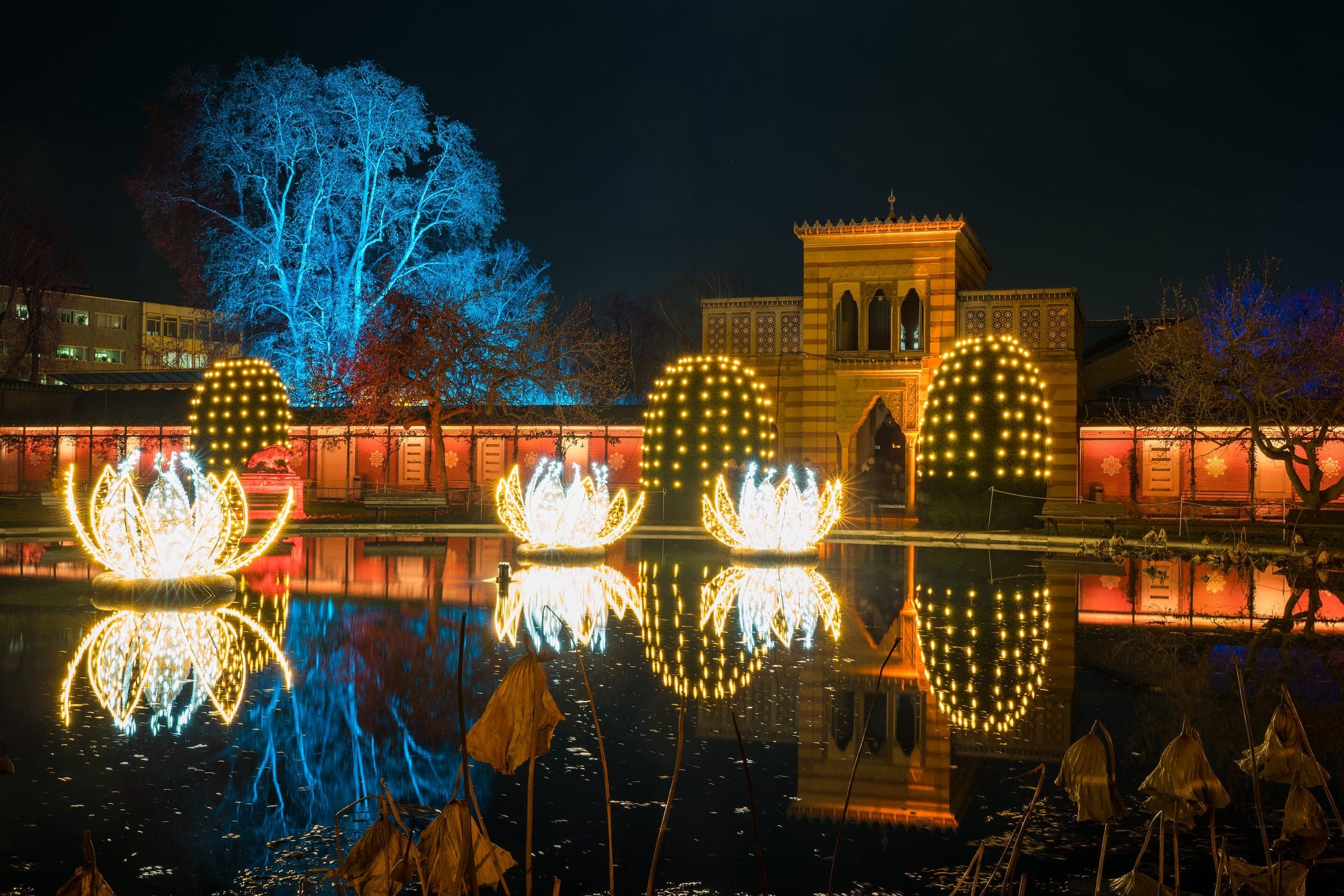
Event in Germany
Stay in Germany
Quick answers about Germany
Are German Christmas markets open on Christmas Eve?
A few are. Nuremberg's Christkindlesmarkt and Dresden's Striezelmarkt open from 10:00 to 14:00 on 24 December 2026. Frankfurt's market has already closed on the 22nd and Stuttgart's on the 23rd.
Is anything open in Germany on 25 and 26 December?
Both days are public holidays, so shops and most markets are shut. Berlin's WeihnachtsZauber on the Gendarmenmarkt runs until 31 December 2026, and Cologne's Heinzels Wintermärchen reopens on 26 December and stays until 10 January 2027.
Why do some German markets close on a Sunday in November?
Totensonntag falls on 22 November in 2026. Many states keep it as a quiet day for remembering the dead, so markets that have already opened, such as Cologne's and Munich's, close for that Sunday.
Who brings the presents in Germany?
In Germany, Christkind or Weihnachtsmann or St Nicholas brings the presents. The Christkind brings the presents on the evening of 24 December across the more Catholic south of the country. In many homes a small bell rings to say it has been and gone.
When do the Christmas markets run in Germany?
In Germany, the big markets open between 16 and 27 November 2026 and most close on 22 or 23 December, with Nuremberg and Dresden open until 14:00 on Christmas Eve.