Tyrolean nativity cribs
Tiroler KrippenCustomFirst crib in an Austrian church in 1608…
Tyrol and South Tyrol keep a crib tradition that goes back to 1608, with carved Nativity scenes in churches and family homes from Advent until Candlemas on 2 February, and they suit travellers who want a quiet, unhurried side of Christmas. Many of the finest cribs stand in private houses, so you see them only where a family or a crib club opens its doors.
Visiting with care
- A crib is a devotional object for the families and parishes that set it up. Go into a private house only when it is open to visitors, and ask before you take photographs.
- Church cribs stand in working churches. Visit outside service times, or sit quietly at the back if a Mass has begun.
Related places
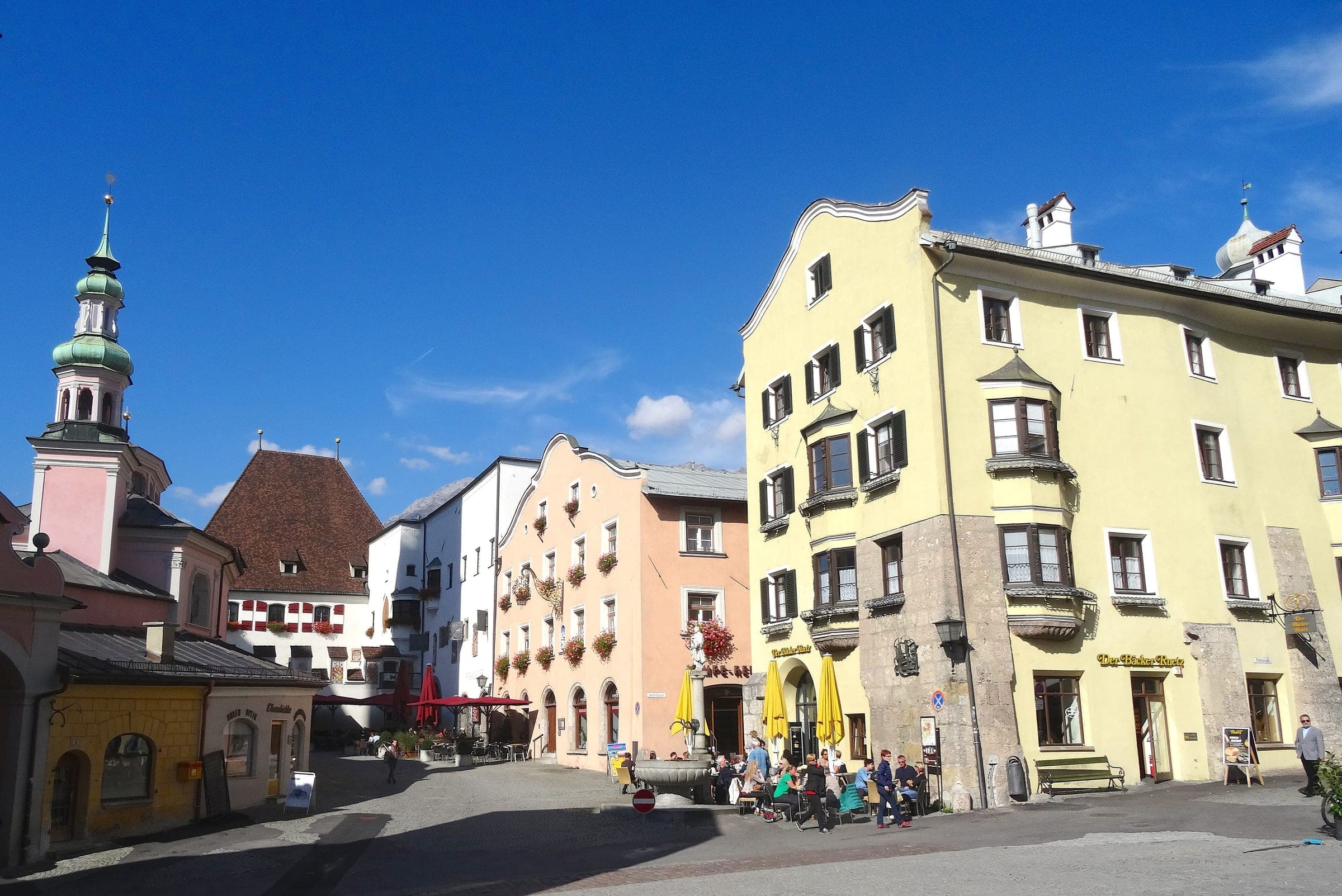
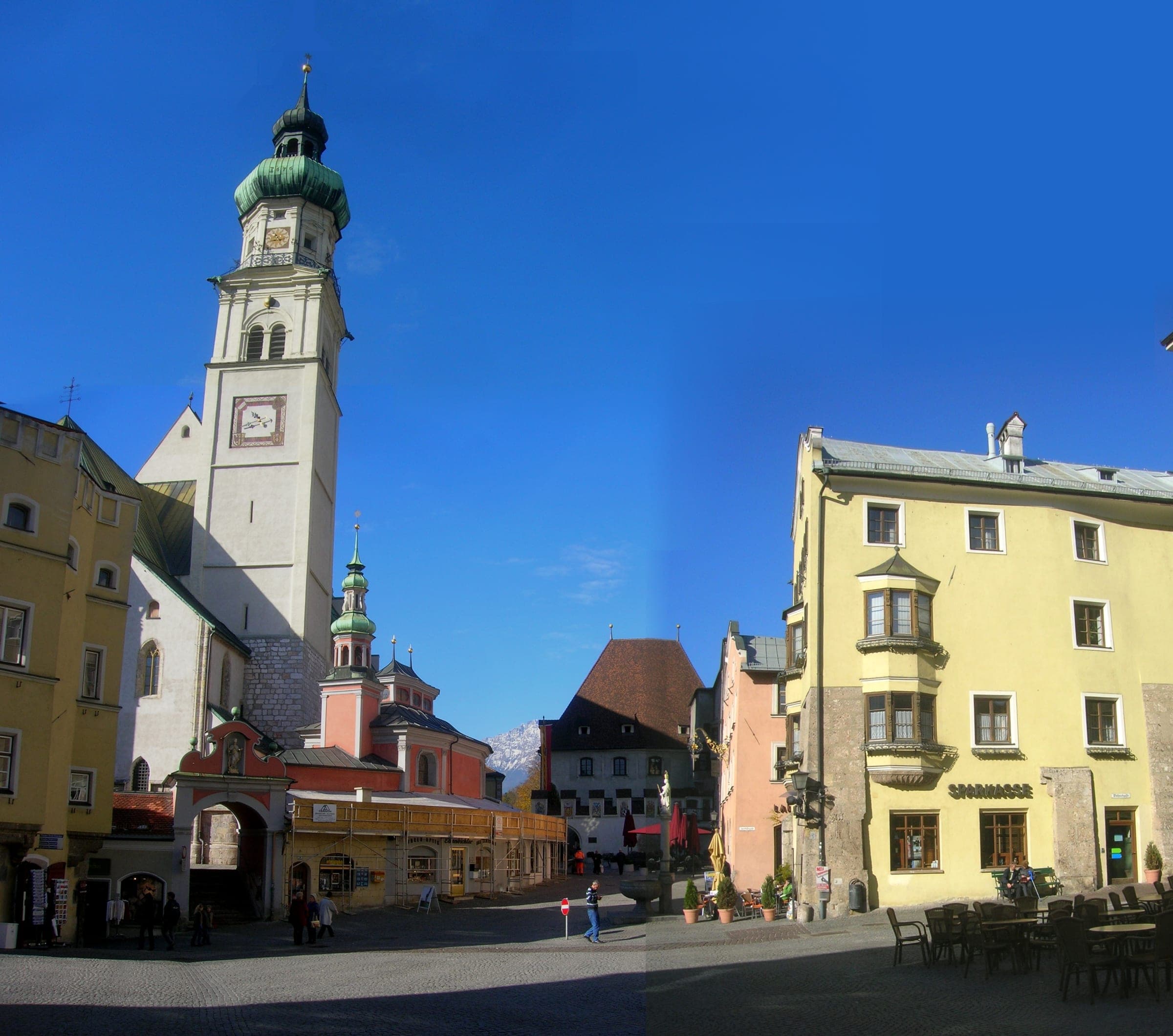
Austria's first crib went up in 1608 in the Jesuit church in Innsbruck, and Hall in Tirol followed in 1609, both on the model of a crib set up in Munich in 1607. Hall's Marian congregation bought a crib with dressed figures in 1622, and it still goes up in the town's Jesuit church. In the Baroque period most churches and monasteries in the old county of Tyrol, which took in today's Tyrol, South Tyrol, Trentino and Vorarlberg, set up cribs of high quality.
The cribs moved into homes when they were pushed out of churches, and the sources disagree on what pushed them. A heritage application from Ebensee quotes the court decree of 14 May 1782 in which Joseph II banned showy church cribs, after Maria Theresa had already restricted them in 1770. The national application of the Verband der Krippenfreunde Österreichs puts the change down to restrictions during the Napoleonic wars. Families carved small copies and set them up at home, and the home crib stayed after the bans lapsed.
An oriental crib places the Nativity in a landscape modelled on the Holy Land, and a Heimatkrippe moves it into an Alpine setting of farmhouses and snowy mountains. Wenns in the Pitztal had a crib club by 1860, and in 1909 the Premonstratensian Chrysostomus Mössl founded the Tyrolean crib association in Innsbruck, together with the magazine Der Krippenfreund, which still appears. The Innsbruck club had more than 3,000 members by 1934 and became the pattern for crib clubs across Austria.
Krippenschauen is the custom of going from crib to crib between Epiphany and Candlemas, and Tyroleans call it Krippele schaug'n or Krippele luga. The Austrian application traces it to the big house cribs of Tyrol, where some owner families still open their homes to visitors. South Tyrol has its own centre in Val Gardena, whose carvers are known for crib figures, and the Hofburg Brixen keeps a crib collection in the former prince-bishops' palace.
Worth knowing
- Start at the Tiroler Volkskunstmuseum in Innsbruck, at Universitätsstraße 2, which counts the history of the Christmas crib since the 18th century among its highlights. The museum page listed it open daily from 9:00 to 17:00, with last entry at 16:30, when we checked in October 2026.
- In South Tyrol, the Hofburg Brixen museum at Hofburgplatz 2 was open daily from 10:00 to 17:00 from October to May and closed on 24 and 25 December when we checked in October 2026.
- Ask at the local tourist office or parish for Krippenschauen dates. Some village crib clubs hold exhibitions in early December, and private house cribs open only when the family says so.
Quick answers about Tyrolean nativity cribs
When can you see the nativity cribs in Tyrol?
Tyrolean cribs go up in Advent, with the Christ child added on 24 December and the Three Kings by 6 January, and many stay until Candlemas on 2 February. The visiting custom of Krippenschauen runs between Epiphany and Candlemas.
Where was the first nativity crib in Austria?
Austria's first church crib was set up in 1608 in the Jesuit church in Innsbruck, according to the Verband der Krippenfreunde Österreichs. Hall in Tirol followed in 1609.
What is a Heimatkrippe?
A Heimatkrippe is a nativity crib set in the maker's own landscape, with Alpine farmhouses and snowy mountains in place of the Holy Land. The oriental crib keeps a setting modelled on Bethlehem.
How should you behave at Tyrolean nativity cribs?
At Tyrolean nativity cribs: A crib is a devotional object for the families and parishes that set it up. Go into a private house only when it is open to visitors, and ask before you take photographs. Church cribs stand in working churches. Visit outside service times, or sit quietly at the back if a Mass has begun.