Erzgebirge woodcraft
Kunsthandwerk aus dem ErzgebirgeCraftTurning in Seiffen from the 17th…
Erzgebirge woodcraft is the turned and painted Christmas work of Saxony's Ore Mountains, and Seiffen is the village where you can watch nutcrackers and smoking men being made by the families and firms who hold the names. The catch is that the same shapes are copied for every market in Europe, so the maker's name and the association's rider seal on the base are what tell you a piece came from the Erzgebirge.
Visiting with care
- Ask before you photograph inside a family workshop. The turners are working, and some of the designs on the bench are their own unpublished pieces.
- Describe an uncertified piece by its shape. The association's names, such as Erzgebirgische Nussknacker or Seiffener Pyramiden, belong to certified makers, and German courts have backed them.
Where to see Erzgebirge woodcraft
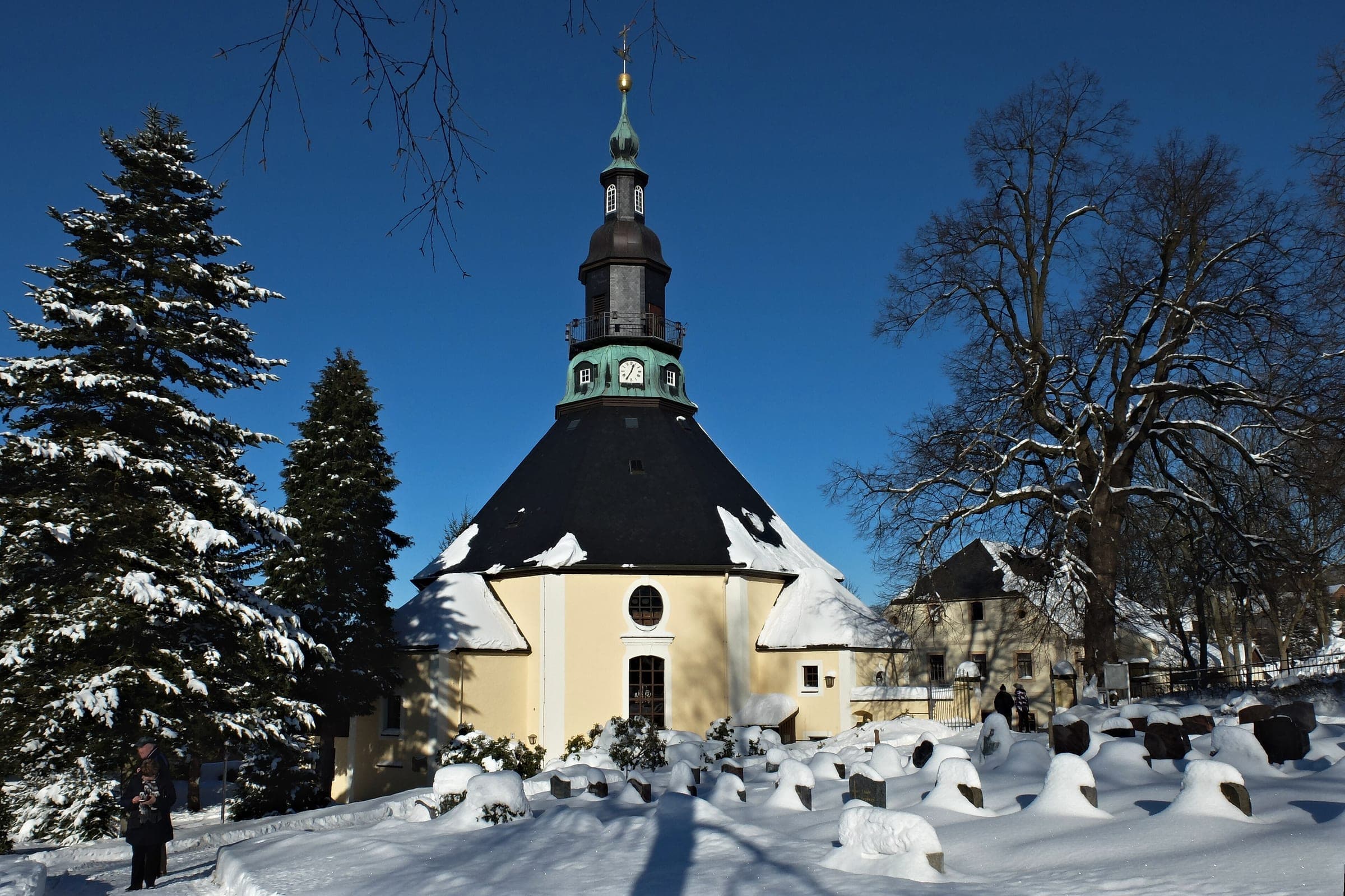
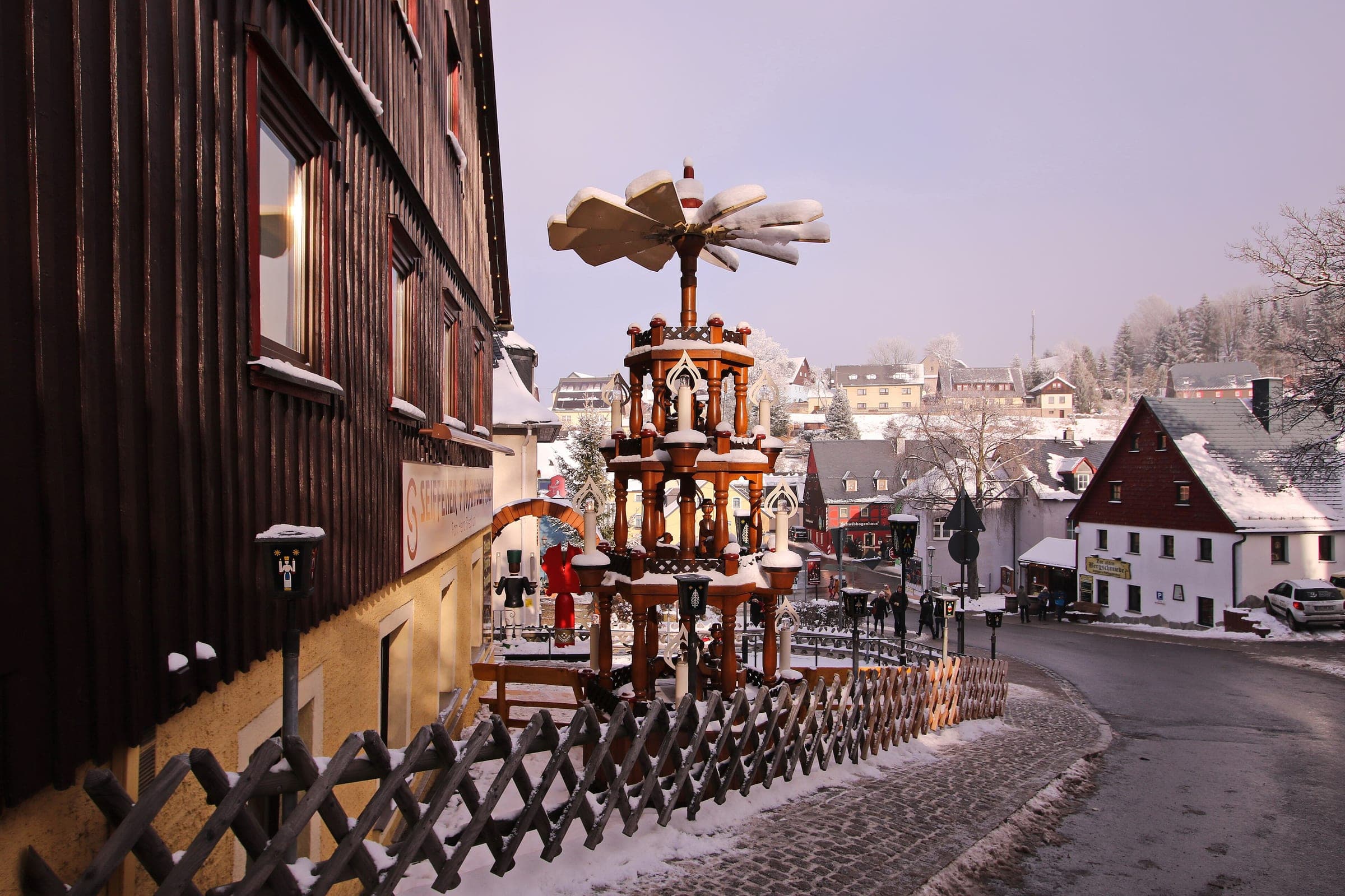
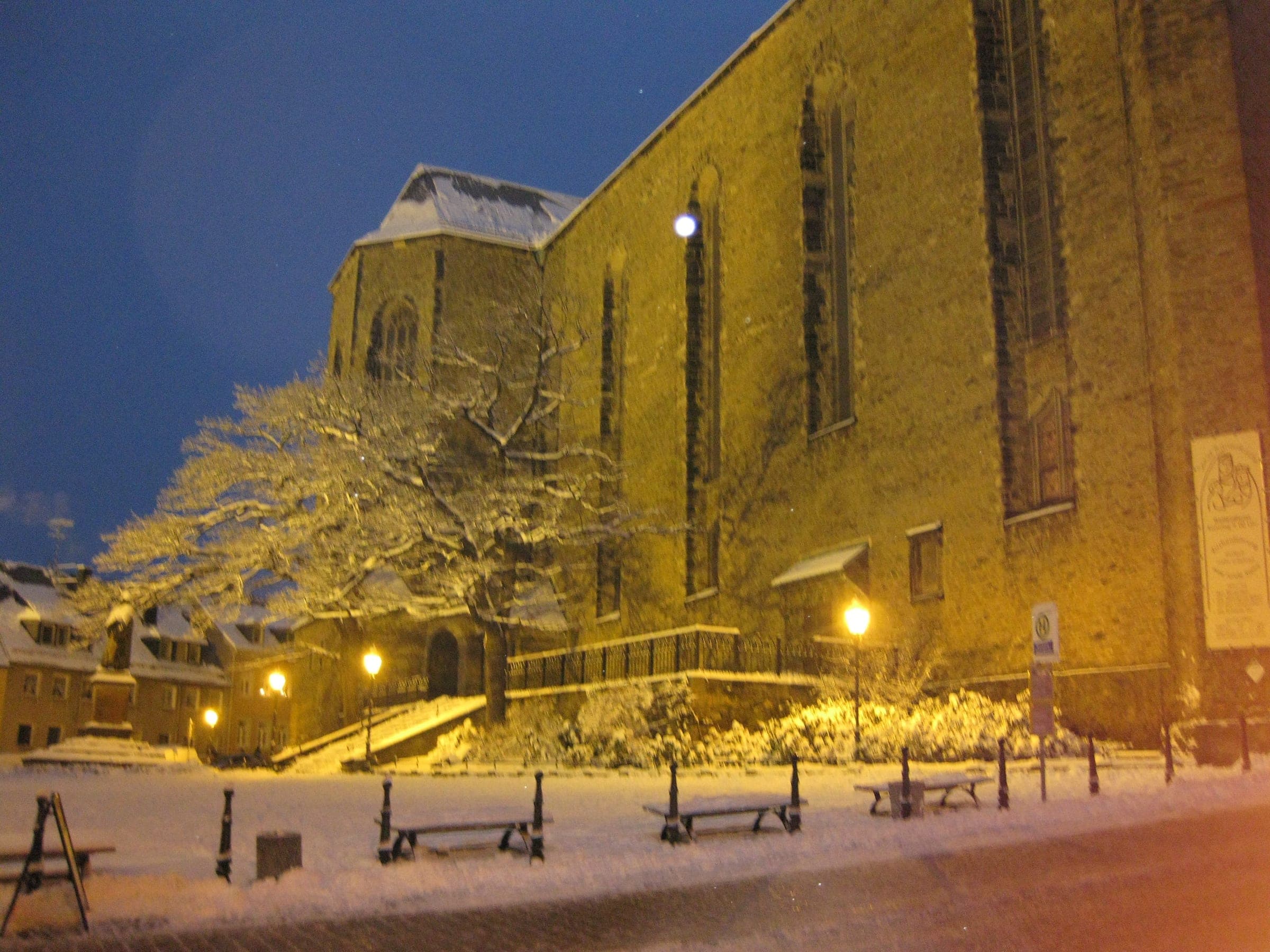
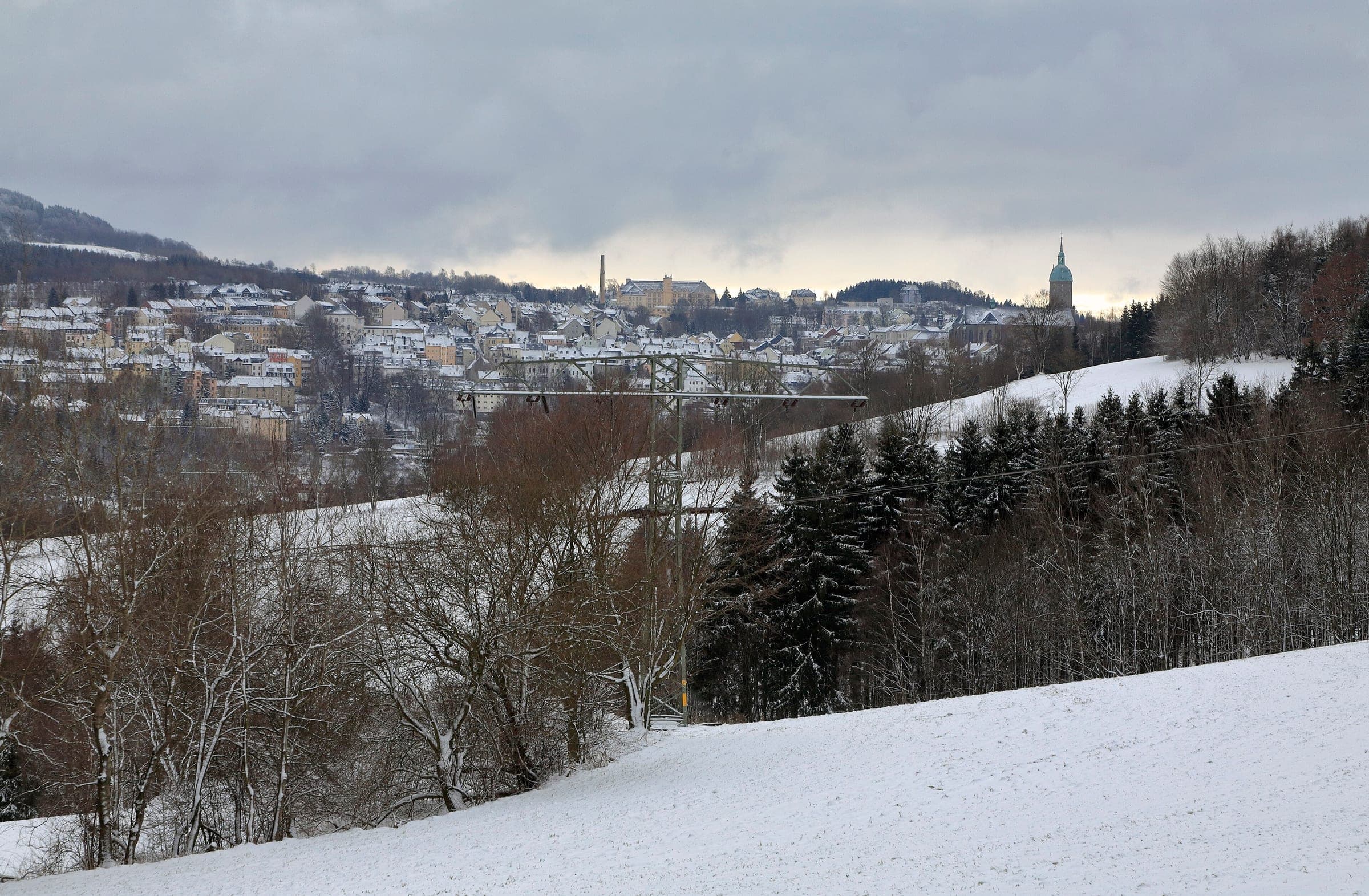
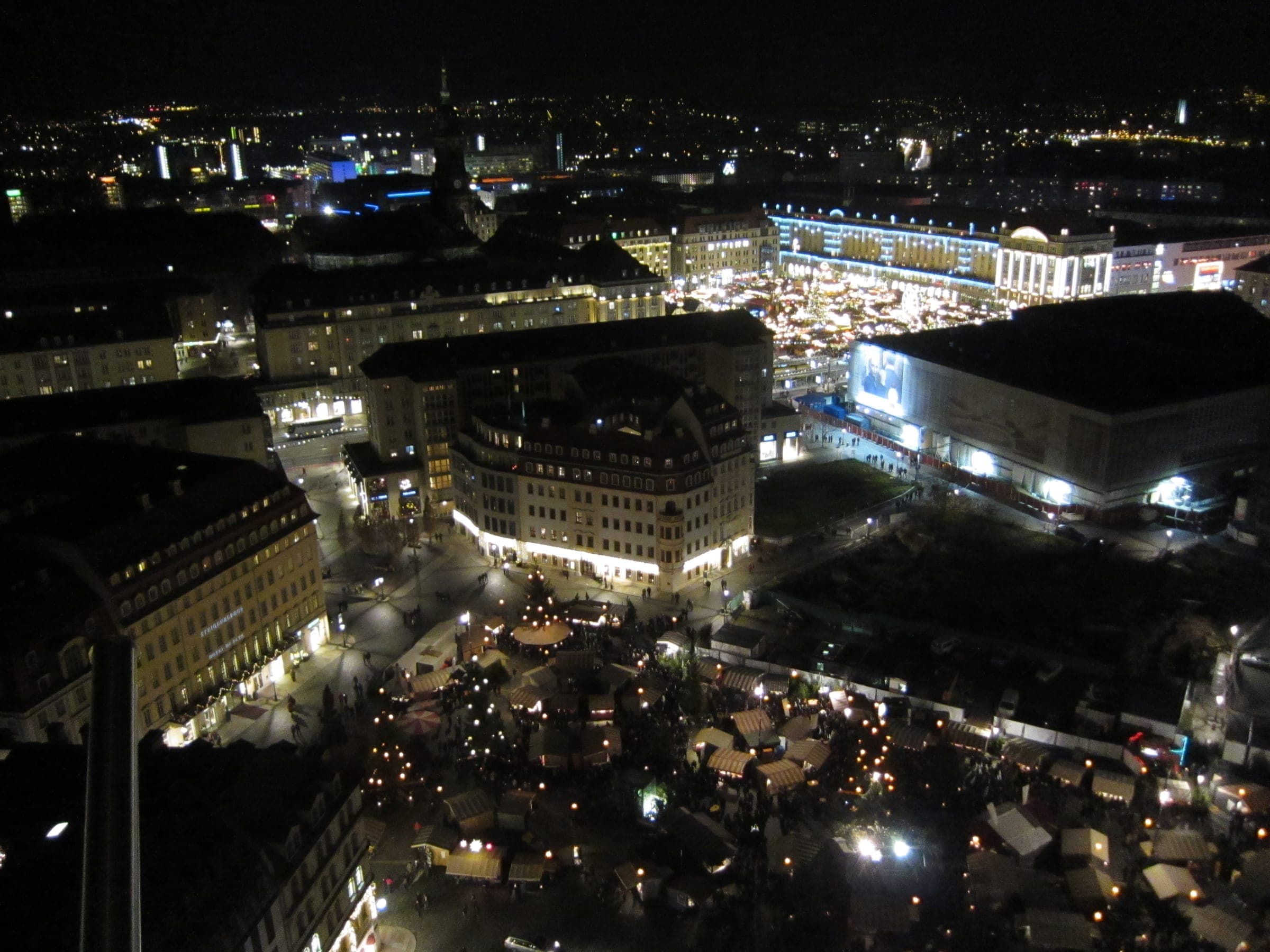

Seiffen Christmas MarketMarket
The village market in the centre of Seiffen, with the makers' own workshops and shops around it.
Dresden StriezelmarktMarket
Dresden's market on the Altmarkt sets up a stepped pyramid 14.62 metres tall, built in 1997.
Wood turning in Seiffen began in the 17th century as side work for tin miners, and toys took over as the mines gave less. The toy museum in Seiffen grew out of a toy trade show that opened in 1936 in the building it still uses, and it reopened as a local museum in 1953. Its open-air museum on the edge of the village keeps a water-powered turning works from 1760. A turner there shows ring turning, the Seiffen technique of turning a spruce hoop so that each slice cut from it comes out as an animal.
Nutcracker figures were being made in Berchtesgaden around 1650 and in Sonneberg from 1735, so the Erzgebirge came to them late. Friedrich Wilhelm Füchtner is credited with turning the first nutcracker in today's Erzgebirge shape and colours around 1870. The figures copied the officials of the day: kings and gendarmes, soldiers, foresters and hussars, with faces meant to look severe. Heinrich Hoffmann bought Erzgebirge figures at Nuremberg's Christkindlesmarkt to draw from for his 1851 children's book König Nussknacker und der arme Reinhold.
The smoking man is a hollow figure in two parts. You set an incense cone on a small tin plate in the base, put the upper body over it, and the smoke drifts out through the figure's mouth while air comes in at a notch in the back. Crottendorf was making incense cones by about 1750. Papier-mâché smoking figures turn up in Sonneberg around 1820–1830, and the toymakers Ferdinand Frohs and Gotthelf Friedrich Haustein made wooden ones in Heidelberg near Seiffen from about 1850, and the early figures were shaped round the pipe, since they began as a play on pipe smoking.
A Christmas pyramid turns on warm air. Candles round the base heat the air under a fan wheel at the top, and the wheel carries the tiers of figures round the central shaft. The word appears in a Schneeberg chronicle of 1716, where young people build pyramids of lights for a Christmas service, and those were stacked candles that did not turn. Popular telling says miners modelled the pyramid on the horse-driven winding gear at the pits, and the regional history cited by the German Wikipedia calls that impossible to prove. Big pyramids for a whole town started in the 1930s at Frohnau near Annaberg-Buchholz, and the one Dresden puts up for the Striezelmarkt measured 14.62 metres when it went up in 1997.
The Verband Erzgebirgischer Kunsthandwerker und Spielzeughersteller was founded in Olbernhau in 1990 and counts about 50 member firms, and some 130 more craft businesses are linked to it through the Dregeno Seiffen cooperative. Its umbrella mark since 1992 is "Echt Erzgebirge - Holzkunst mit Herz" with a small rider figure, and it lists 17 registered names it guards as collective marks, from Erzgebirgische Nussknacker to Seiffener Reifenvieh. Only makers it has certified may use them. In 2024 the Higher Regional Court in Dresden ruled that selling an imported nutcracker as "im Erzgebirge-Stil" exploits the reputation of the originals, and the Federal Court of Justice refused to hear an appeal on 19 September 2025 (I ZR 222/24).
Worth knowing
- Turn a nutcracker or smoking man over before you buy it at a market outside Saxony. A maker's name and town on the base, or the association's rider seal, tells you where it was made.
- Give Seiffen a weekday in Advent if you can. The toy museum and the Seiffener Volkskunst show workshop are both in the village, and at the workshop you can watch a figure go from sawn blank to painted piece in one visit.
- Burn incense cones made for smoking men. Crottendorfer Räucherkerzen belongs to the association and makes them in Crottendorf, where cones have been made since about 1750.
Quick answers about Erzgebirge woodcraft
Where are Erzgebirge nutcrackers made?
Erzgebirge nutcrackers are made in the Ore Mountains of Saxony, in workshops in Seiffen, Olbernhau, Grünhainichen, Annaberg-Buchholz and the villages around them. The makers' association in Olbernhau lists its member firms and their towns on its website.
How can I tell a real Erzgebirge nutcracker from a copy?
Look for the maker's name on the base and for the association's "Echt Erzgebirge" mark with its small rider figure, which only certified makers may use. A German court ruled in 2024 that calling an imported nutcracker "im Erzgebirge-Stil" misleads buyers, and that ruling became final in September 2025.
Is Erzgebirge woodcraft on the UNESCO list?
No. Kunsthandwerk aus dem Erzgebirge joined Germany's nationwide inventory of intangible cultural heritage on 26 March 2025, on an application from the makers' association, and that inventory is kept by Germany under the UNESCO convention.
How does a Christmas pyramid turn?
A Christmas pyramid turns because candles at its base heat the air beneath a fan wheel at the top, and the rising air spins the wheel and the tiers of figures fixed to the same shaft.
How should you behave at Erzgebirge woodcraft?
At Erzgebirge woodcraft: Ask before you photograph inside a family workshop. The turners are working, and some of the designs on the bench are their own unpublished pieces. Describe an uncertified piece by its shape. The association's names, such as Erzgebirgische Nussknacker or Seiffener Pyramiden, belong to certified makers, and German courts have backed them.