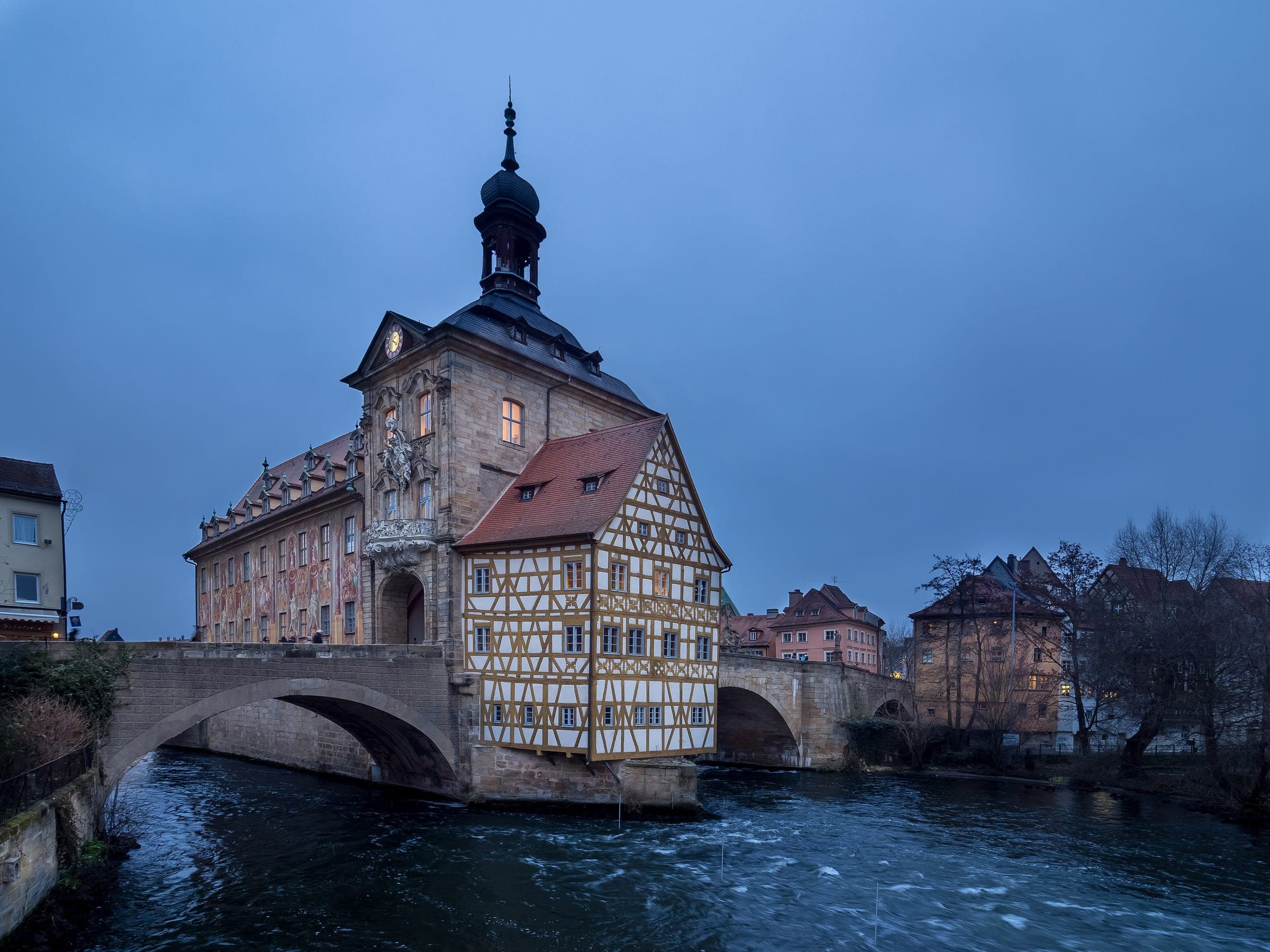
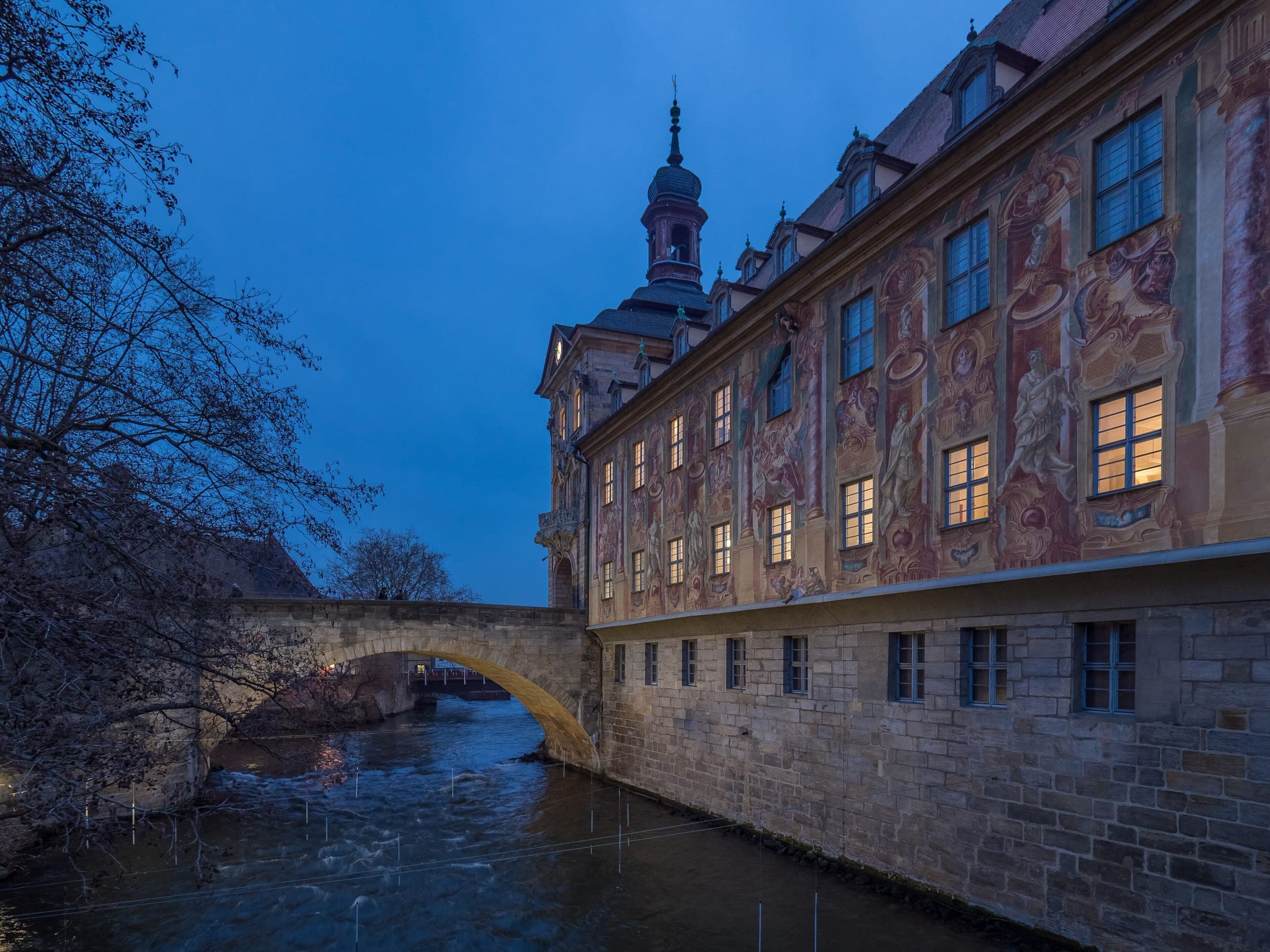
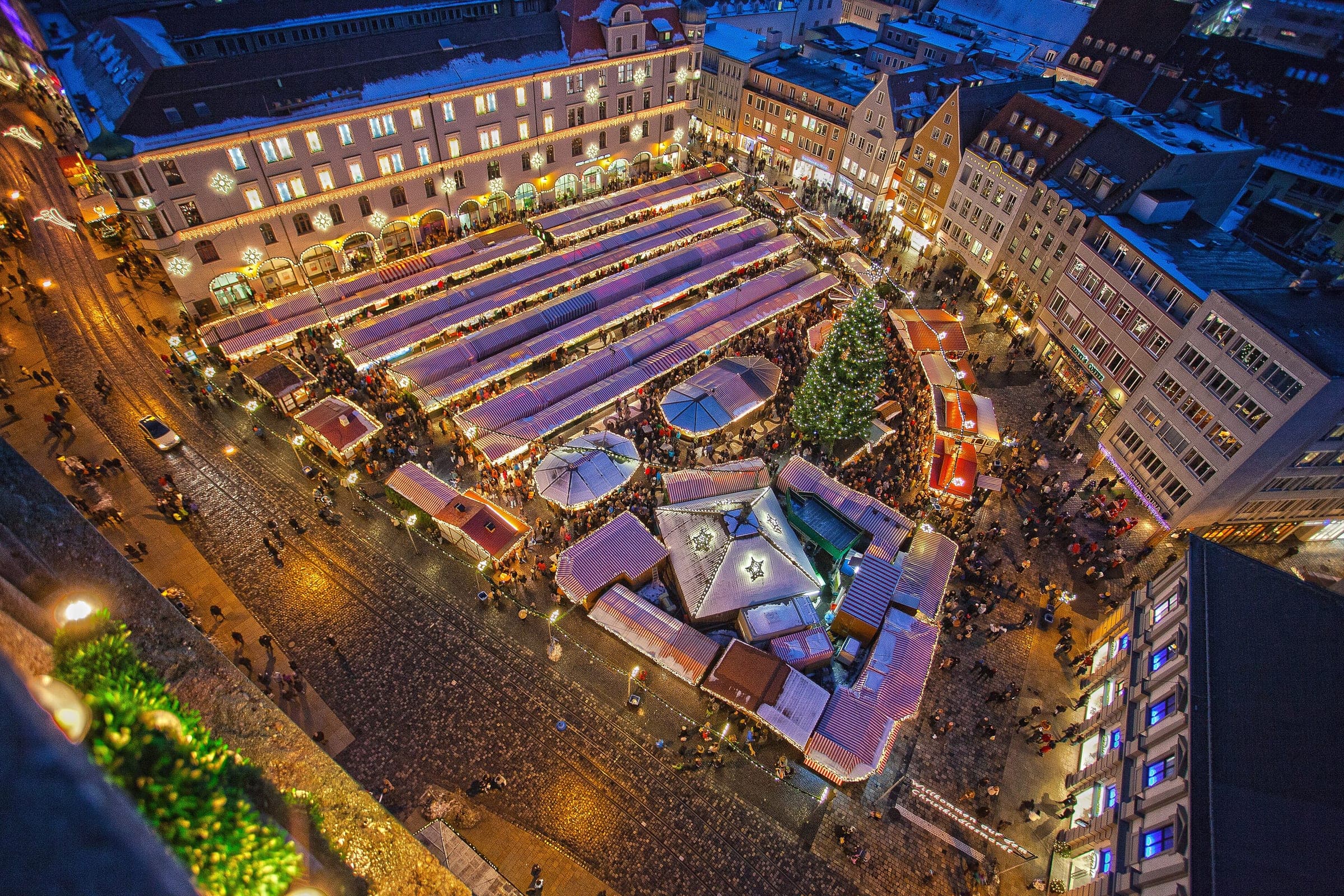
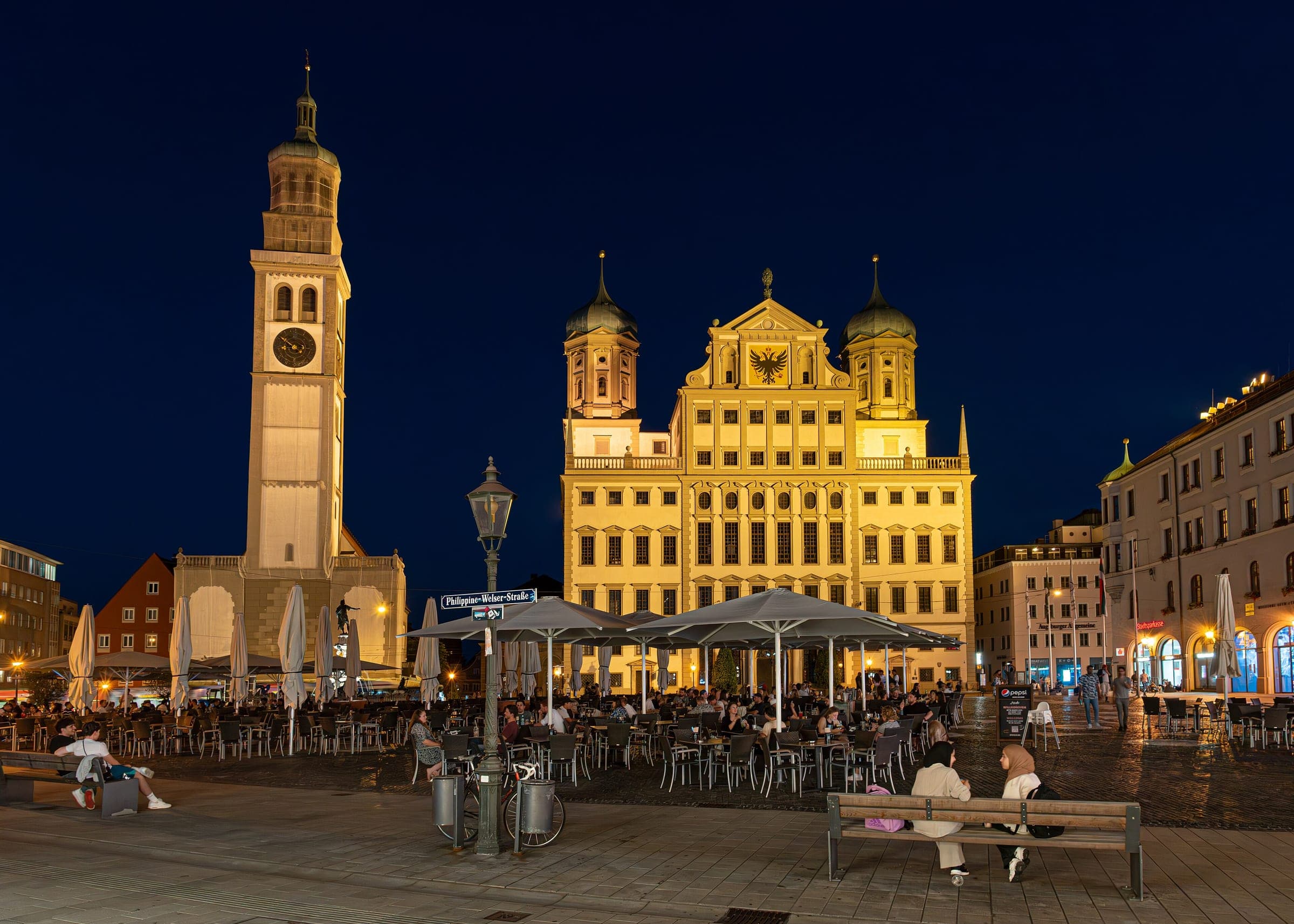
Nuremberg's Christkindlesmarkt leads, and the city counted more than two million visits to it in 2024, so expect a full Hauptmarkt. Stay in Nuremberg and take day trips out to Bamberg for the nativity cribs and smoked beer, or spend a night inside Rothenburg's walls once the day visitors leave. Most of Franconia's markets close on 23 December, and Nuremberg's own shuts at 14:00 on Christmas Eve.
The Christkindlmarkt under the New Town Hall on Marienplatz leads Munich's five markets, and direct trains run from the city to Augsburg and Regensburg. Couples like Regensburg, where one of the markets fills the Thurn und Taxis palace courtyard and charges entry. If Lake Constance is on your list, go to Lindau between Thursday and Sunday, because the harbour market stays shut midweek.
Dresden puts the Striezelmarkt and three other markets within walking distance of each other, and December is the city's busiest hotel month, so book early. Leipzig threads about 300 stalls through its compact centre. In the Ore Mountains Seiffen sells woodcraft straight from the workshops that make it, and since its stalls close at 17:00 on weekdays, a Saturday visit gives you the evening as well.
Berlin gives you a different big market every evening, from the lit-up Gendarmenmarkt, which charges entry outside weekday lunchtimes, to the ice rink and big wheel at the Rotes Rathaus. Potsdam makes an easy day out from the city, and its Weihnachtszauber stretches along the old-town shopping street. Plan Christmas Eve with care, because the markets at the Rotes Rathaus and Charlottenburg Palace both close that day.
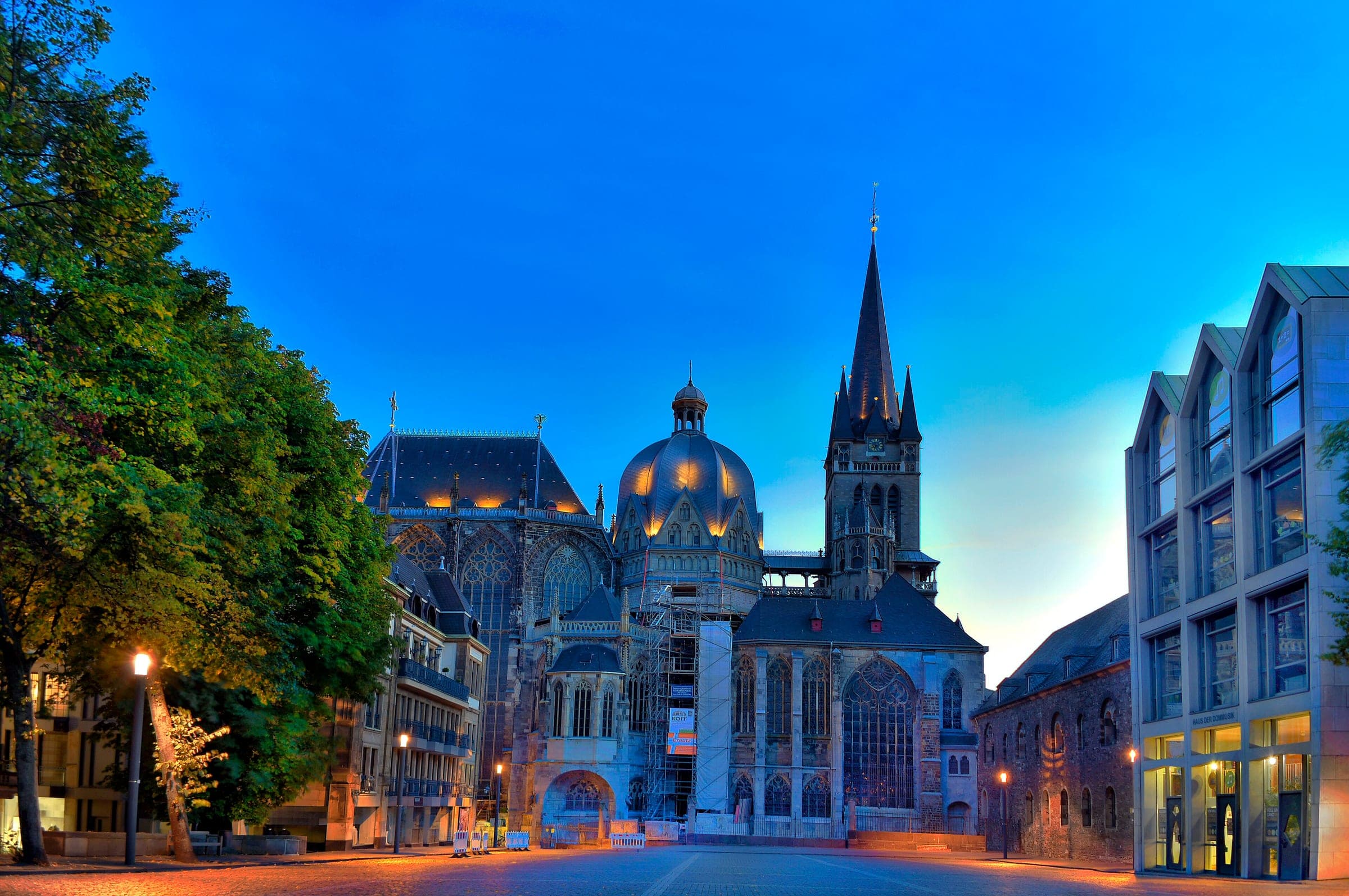
Cologne makes the natural base, since four big markets sit within walking distance of the cathedral and fast trains run out to Aachen and Düsseldorf. The cathedral market on Roncalliplatz is the classic scene, and in 2026 the garage under it is being repaired, so keep some room in your plans. Couples after wine and quiet can head up the Moselle to Bernkastel-Kues, which you reach by bus or car.
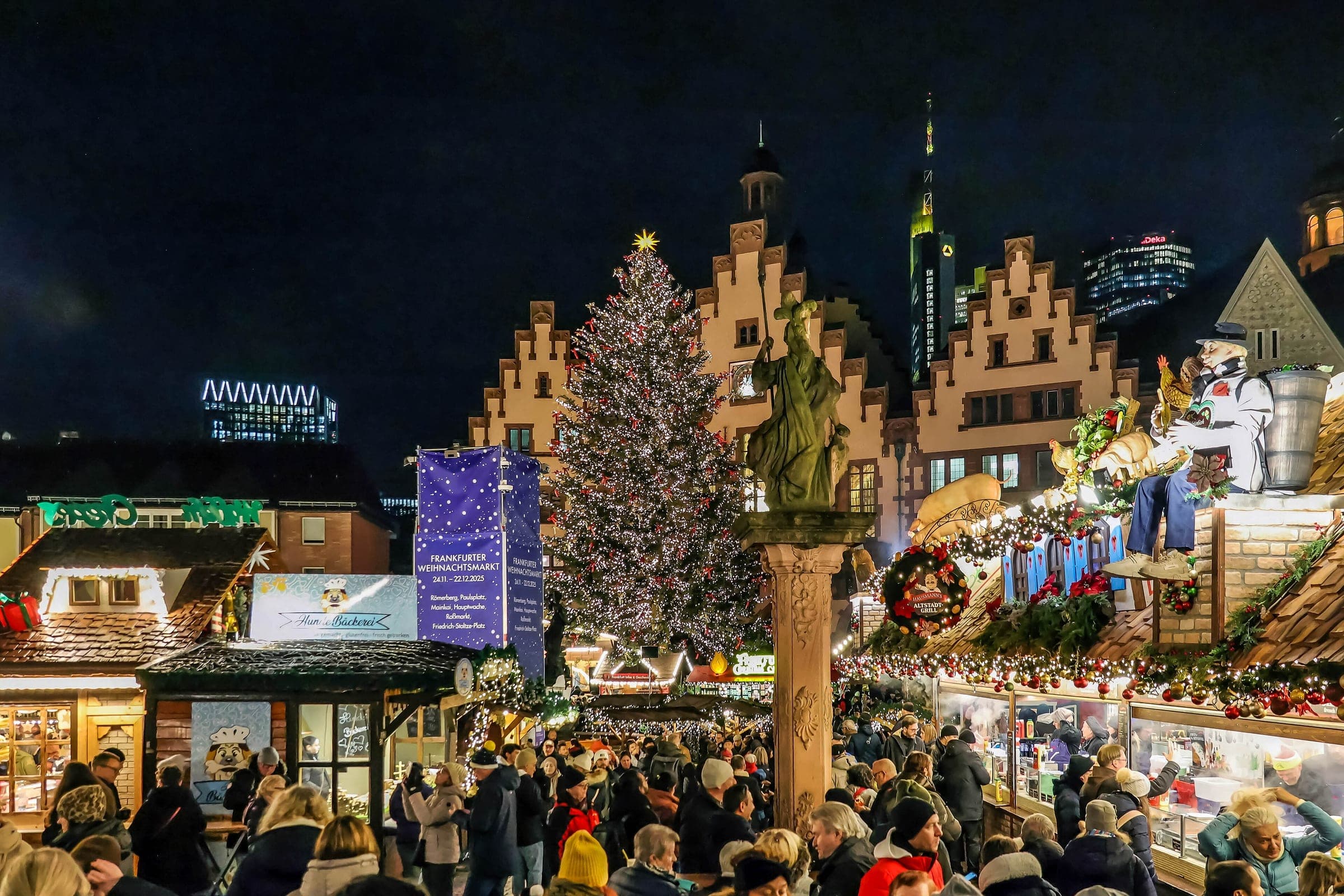
Frankfurt suits a first night off a long-haul flight, because the S-Bahn runs from the airport straight to a market spread across six squares of the Altstadt. The S8 carries on to Mainz and Wiesbaden for their own markets, and Michelstadt makes a half-timbered day out in the Odenwald from Wednesday to Sunday. Frankfurt's market ends on 22 December, so anyone arriving later finds the squares cleared.
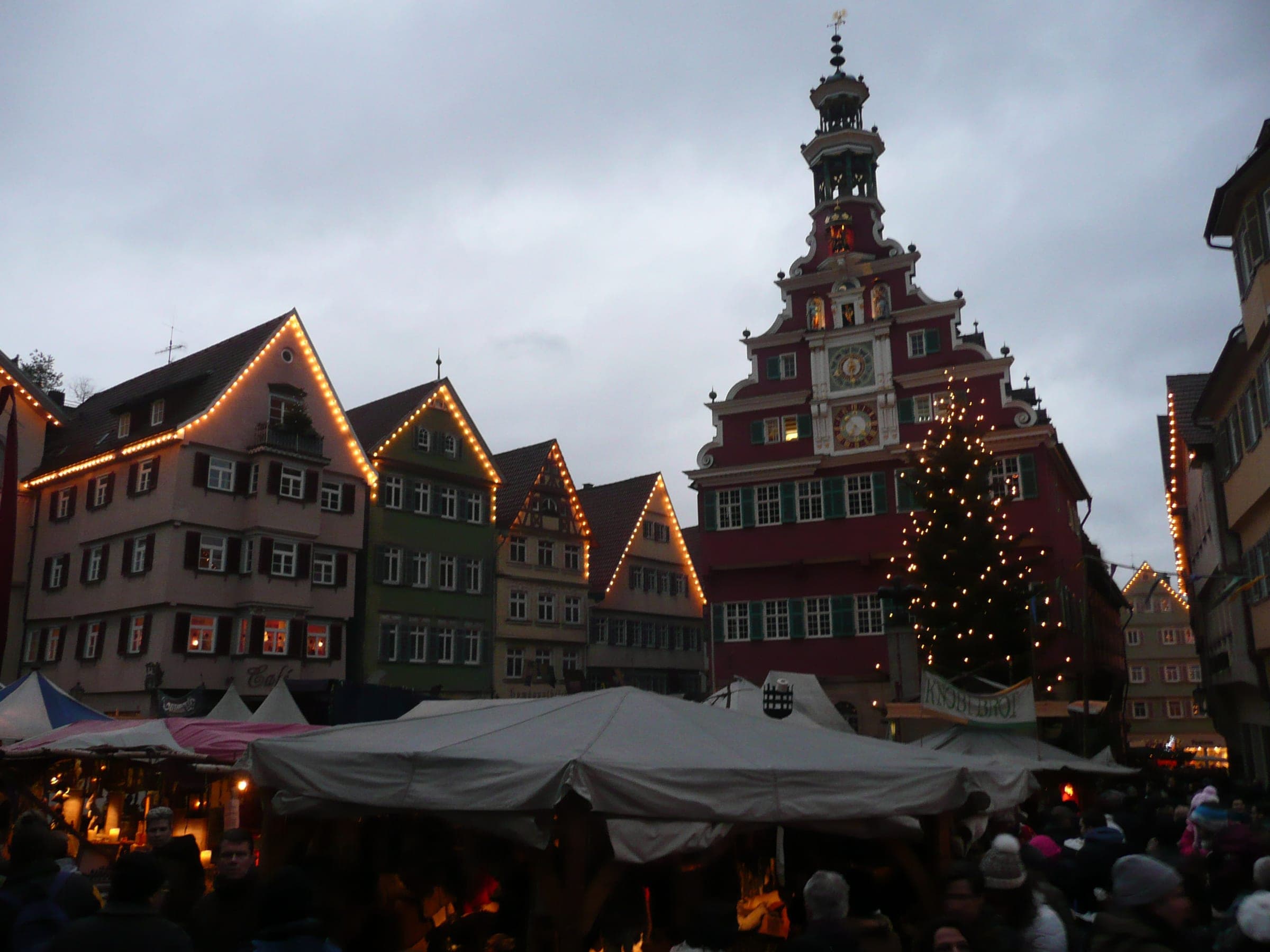
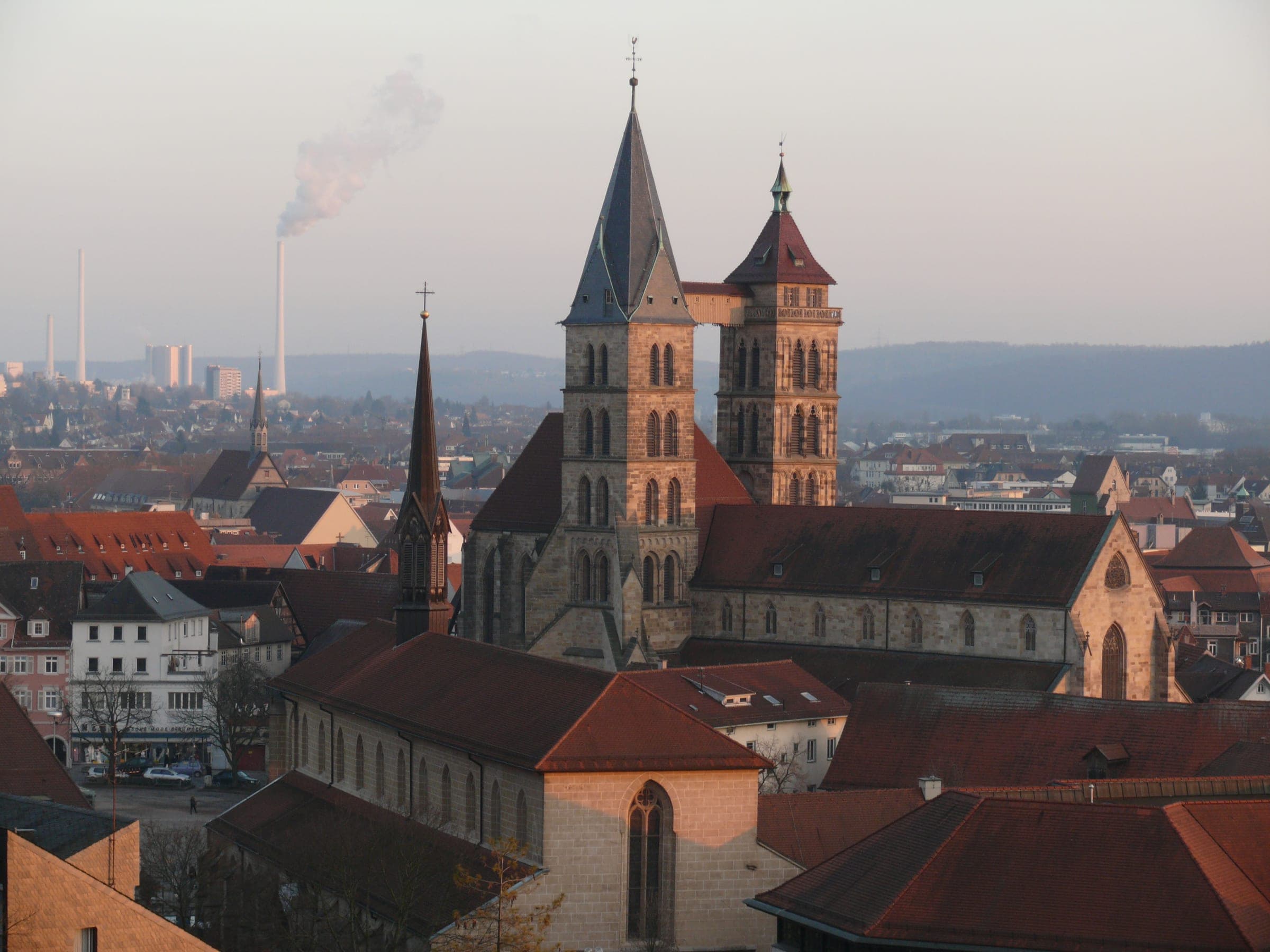
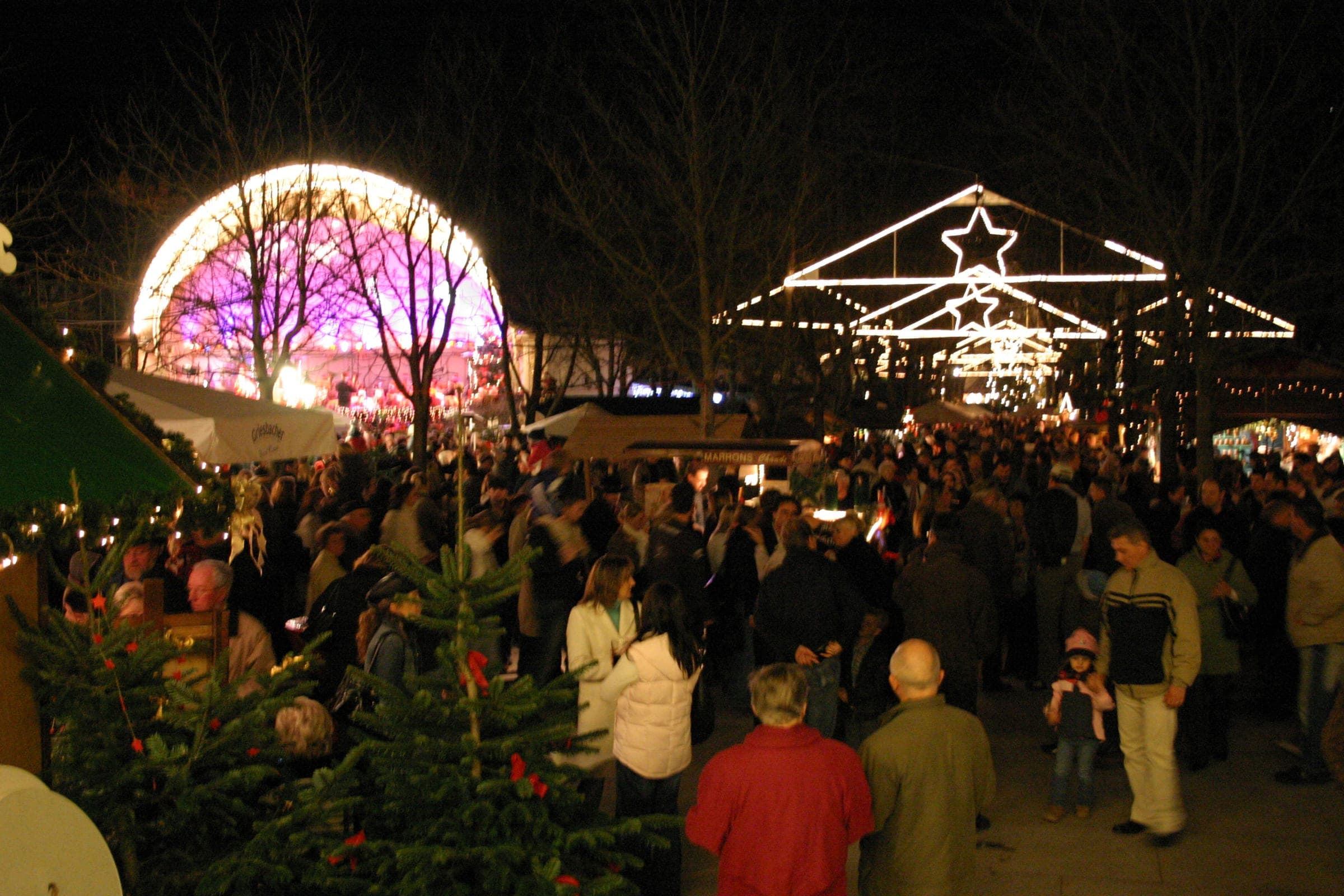
Stuttgart's market of about 250 stalls leads, and from one hotel there the S-Bahn takes you out to Esslingen's medieval market or Ludwigsburg's baroque square. Tübingen and Heidelberg make longer day trips by regional train. Weekend evenings get crowded, and Esslingen's organizer asks wheelchair users and parents with prams to come on a weekday.
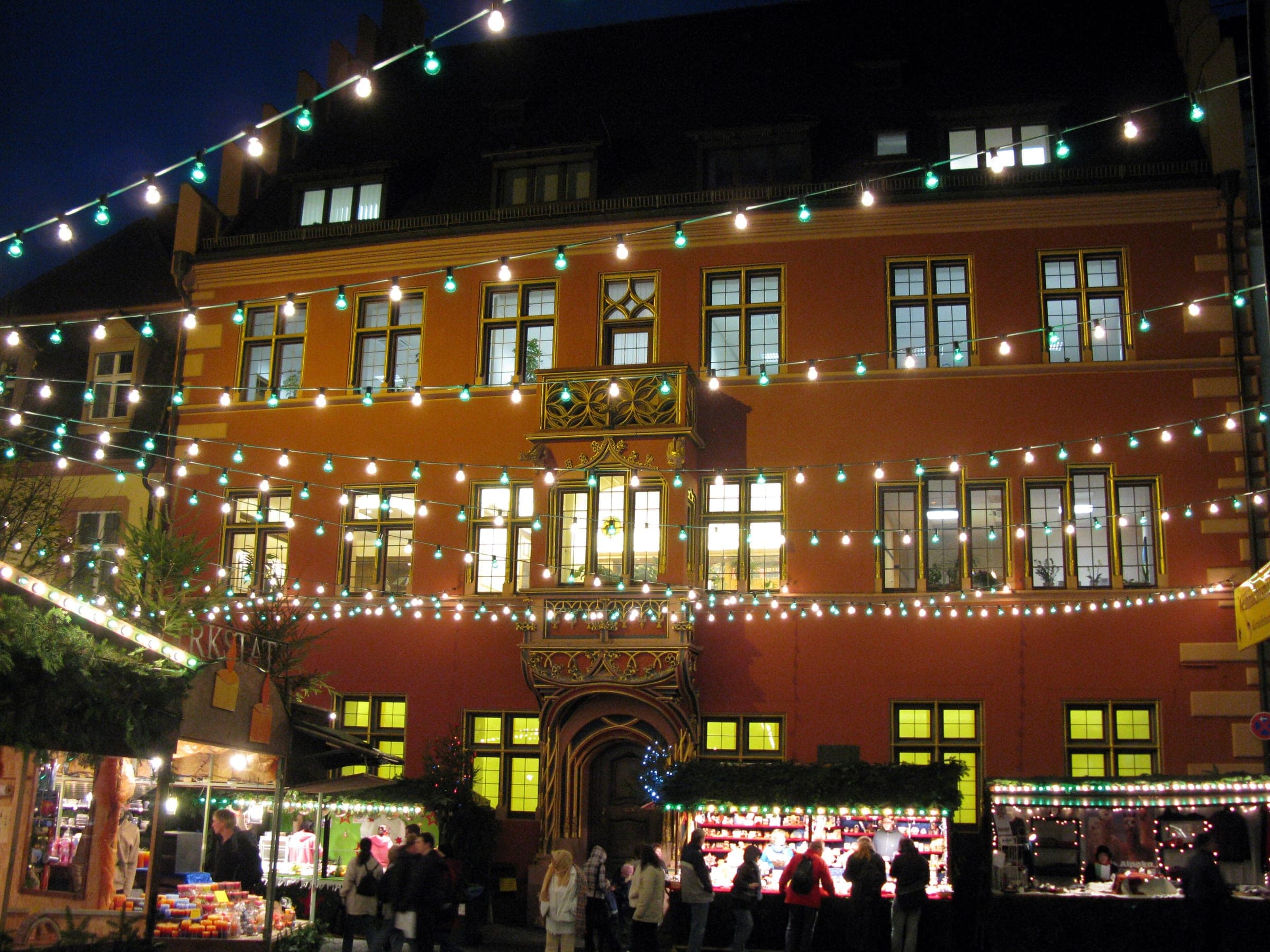
Freiburg makes the practical base, because its market spreads through the old town and trains stop there on the Rhine valley main line. Gengenbach opens a window of its Rathaus Advent calendar at 18:00 each evening, and Baden-Baden keeps its Kurhaus market going until 6 January 2027. The Ravenna Gorge market needs a timed ticket bought online, and the sale opens on 14 October.
Strasbourg spreads its markets over eight sites around the cathedral, and first-timers head for the Christkindelsmärik on Place Broglie. Colmar packs six smaller markets into its old town, and shuttles and buses run from there to the wine villages. Both cities fill up at weekends, so walk the squares early in the week and keep Kaysersberg for an Advent weekend, because its juried craft market opens only then.
Lyon builds its December around the Fête des Lumières, when the city lights up with free installations from 5 to 8 December 2026 and about 2 million visitors pour in, so book a bed early. The Christmas market on Place Carnot beside Perrache station fills an hour or two and closes early on festival nights. Outside those four nights you come to Lyon for the food.
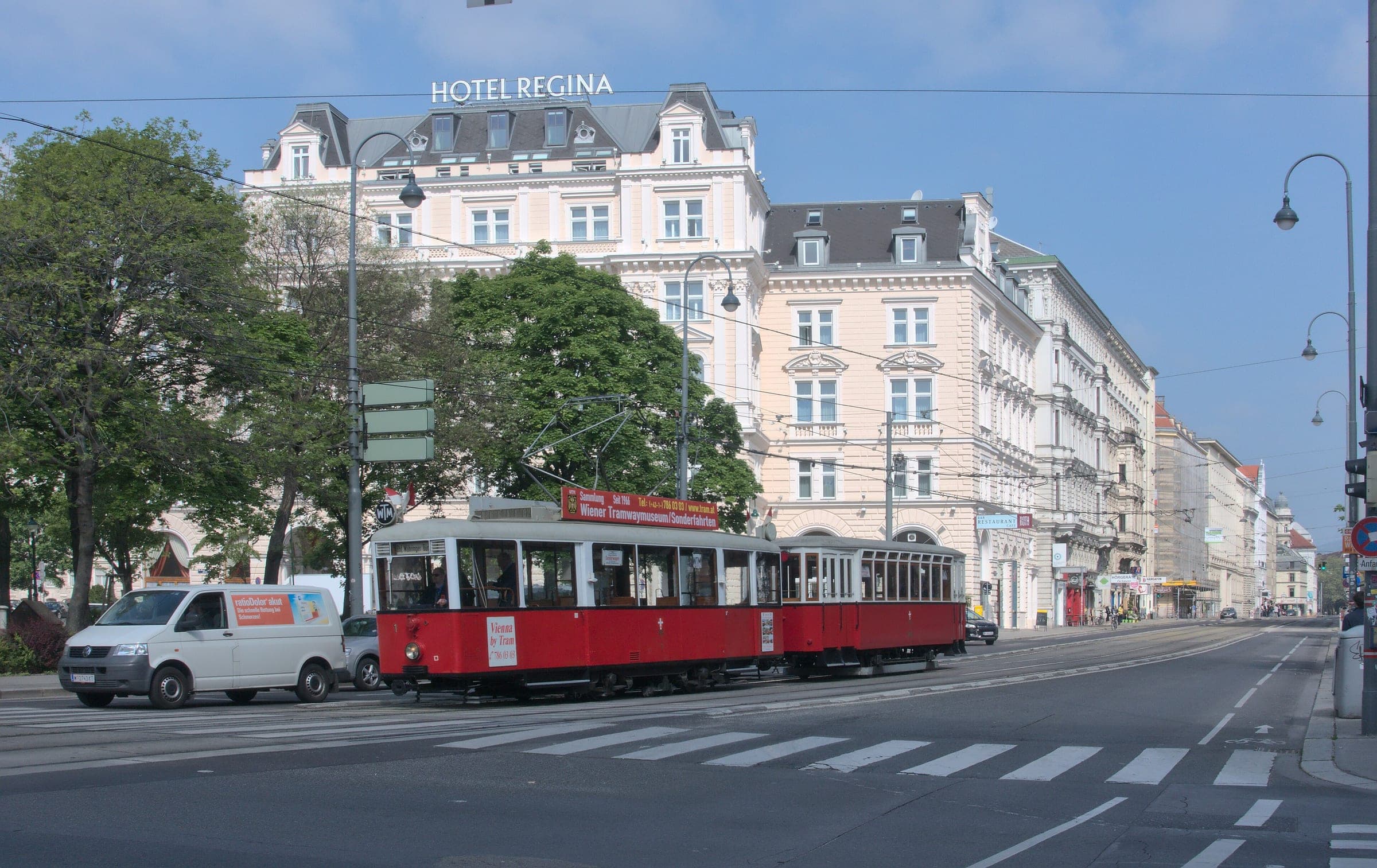
Vienna has more than ten markets within reach of the U-Bahn, and the Christkindlmarkt on Rathausplatz leads them with the lit City Hall and a skating rink. On weekends you can head out to the Wachau Advent in Dürnstein or the palace market at Schloss Hof. Rathausplatz gets so crowded on weekend evenings that a stroller barely moves, so bring small children on a weekday morning.
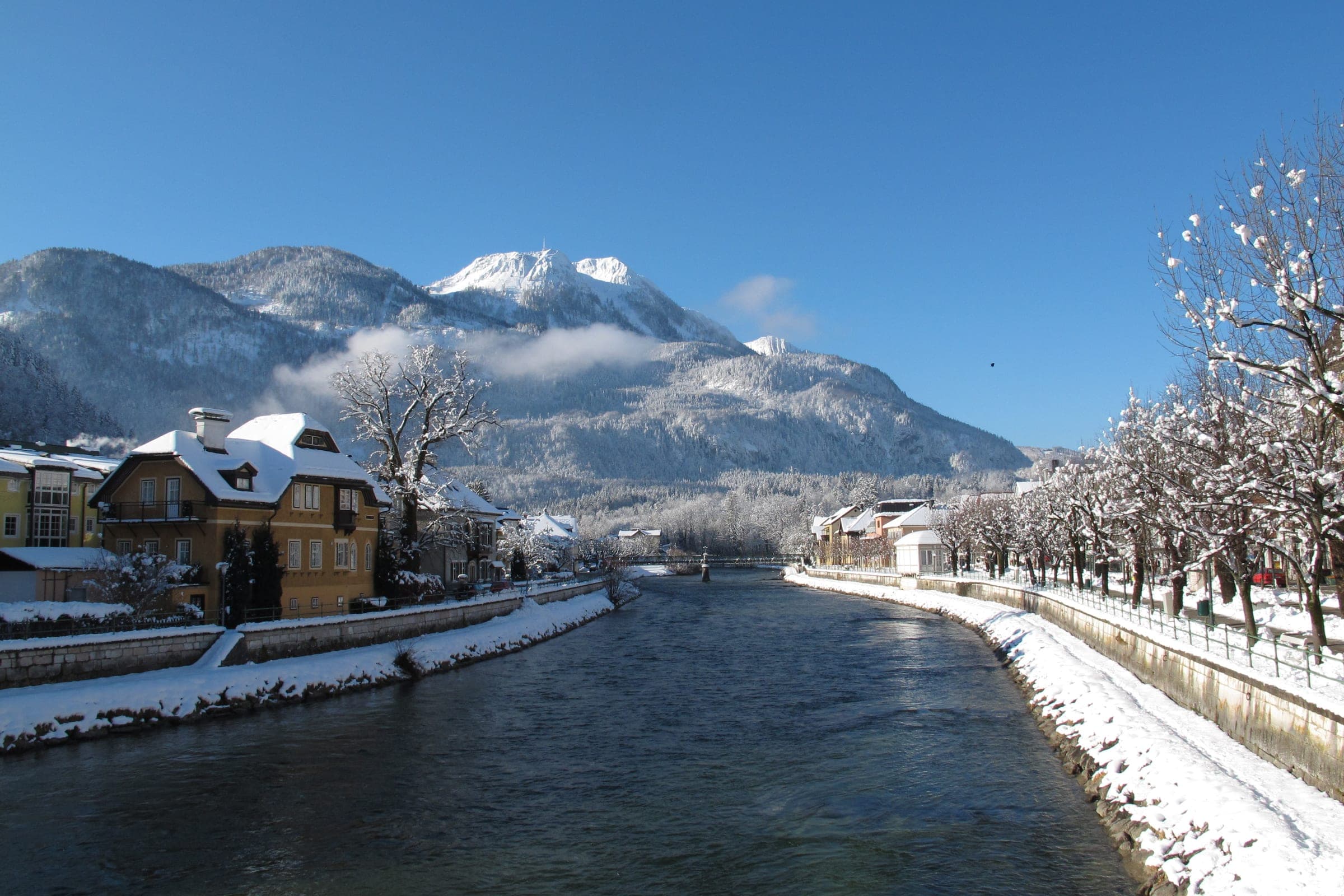
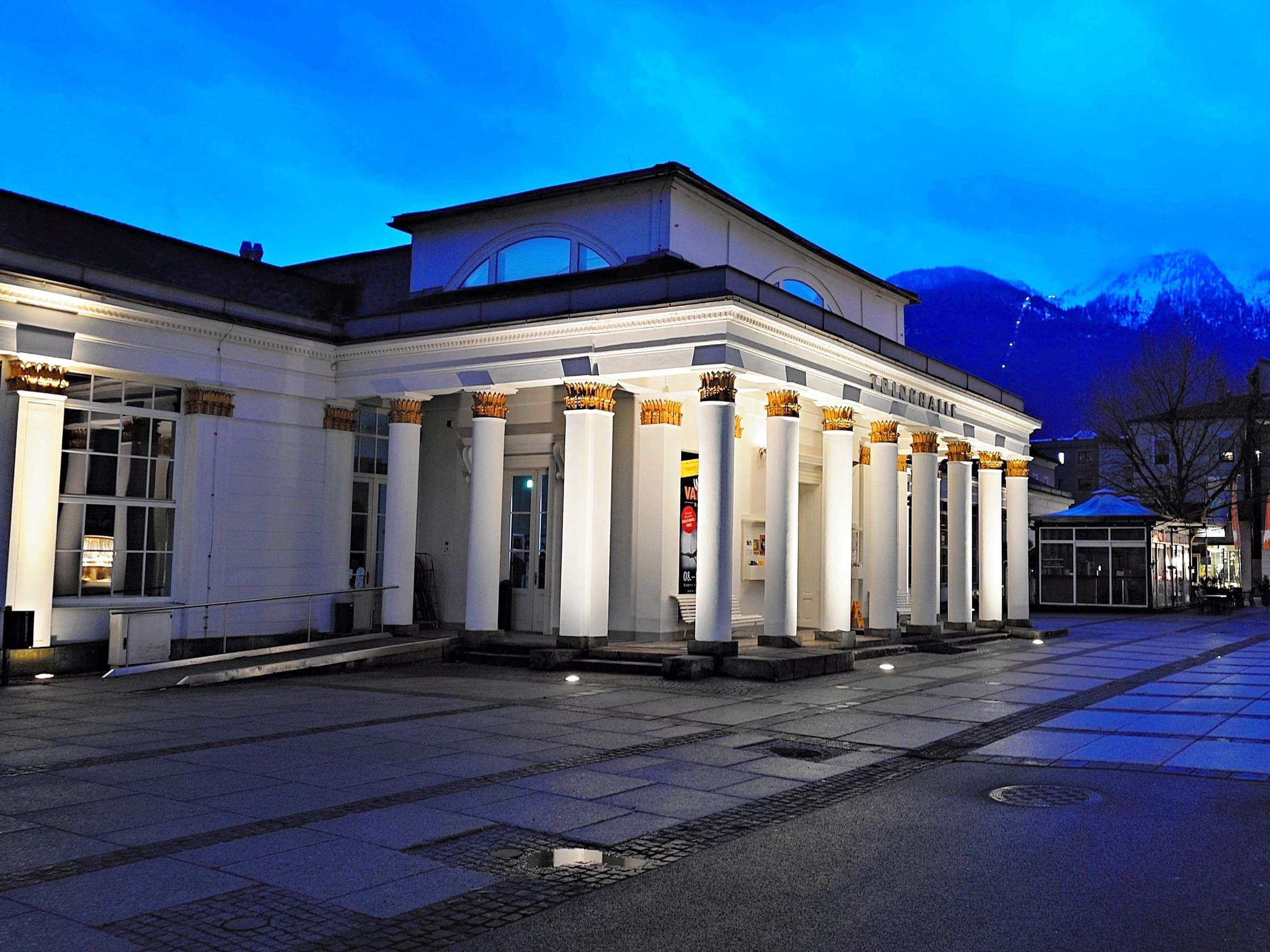
Salzburg holds four Advent markets and sends trains and buses out to the lakes, and its Christkindlmarkt on the Domplatz keeps going to New Year's Day. Boats link the Wolfgangsee villages of St Wolfgang and St Gilgen, whose markets shut on Mondays and Tuesdays. Hallstatt fills with day visitors, so sleep in Bad Ischl and arrive early on a weekday morning in Advent.
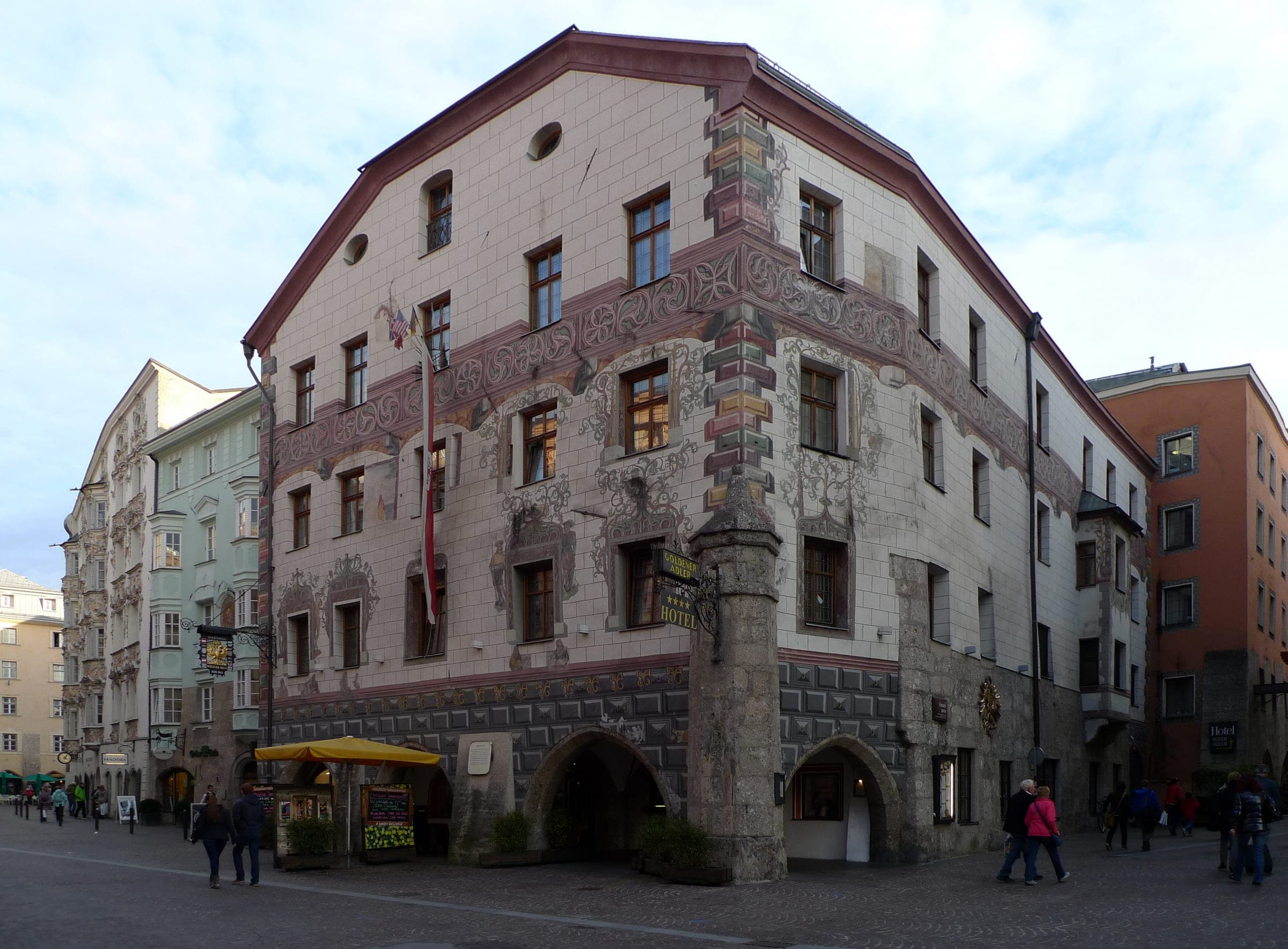
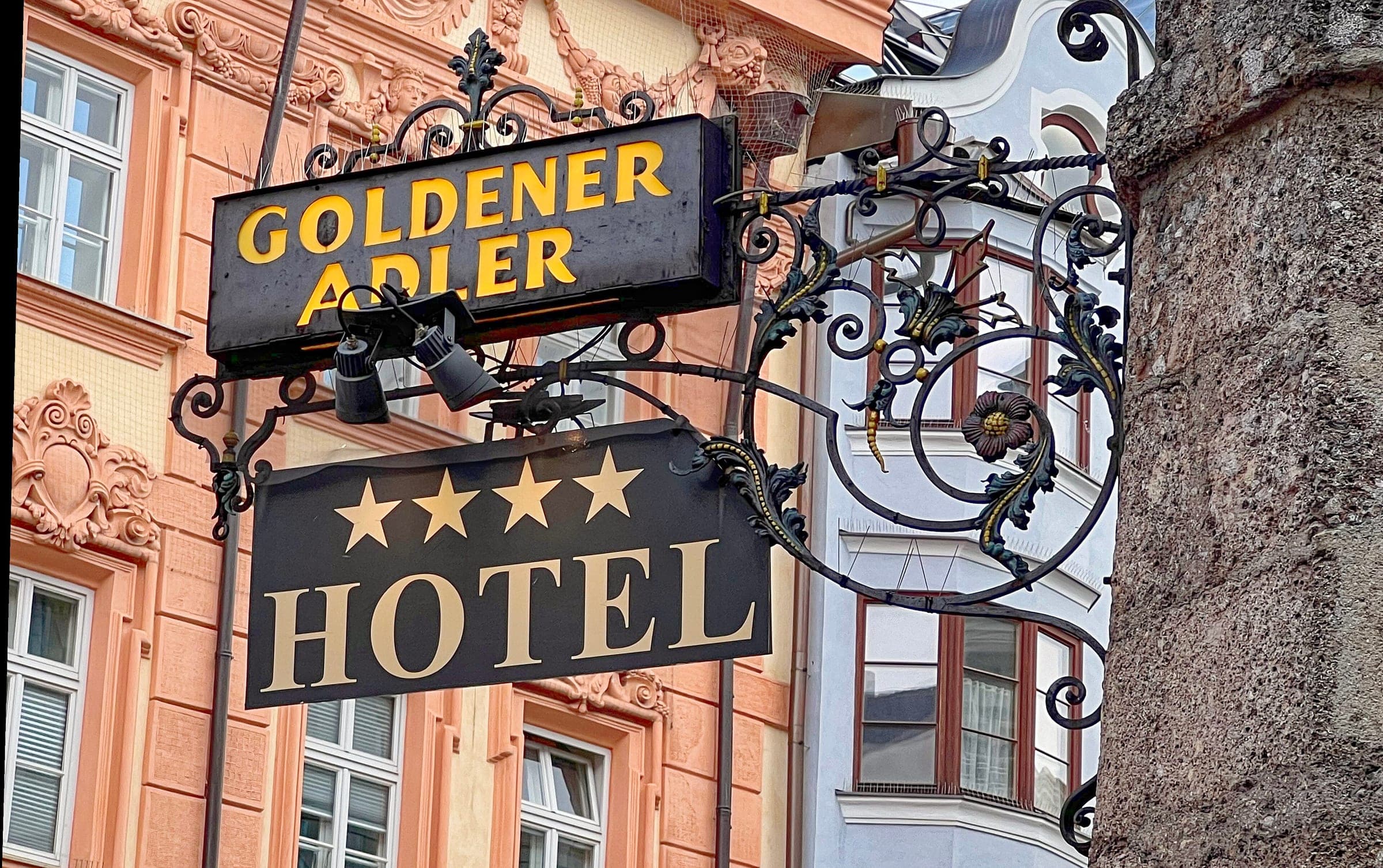
Innsbruck makes the base, since one organizer runs seven markets across the city and the classic one fills the narrow lane under the Golden Roof. Trains along the Inn Valley reach Hall in Tirol for an evening, or Rattenberg, which lights its lanes by candle on Advent weekends. The Golden Roof lane packs shoulder to shoulder on Friday and Saturday evenings, so see it on a weekday morning.
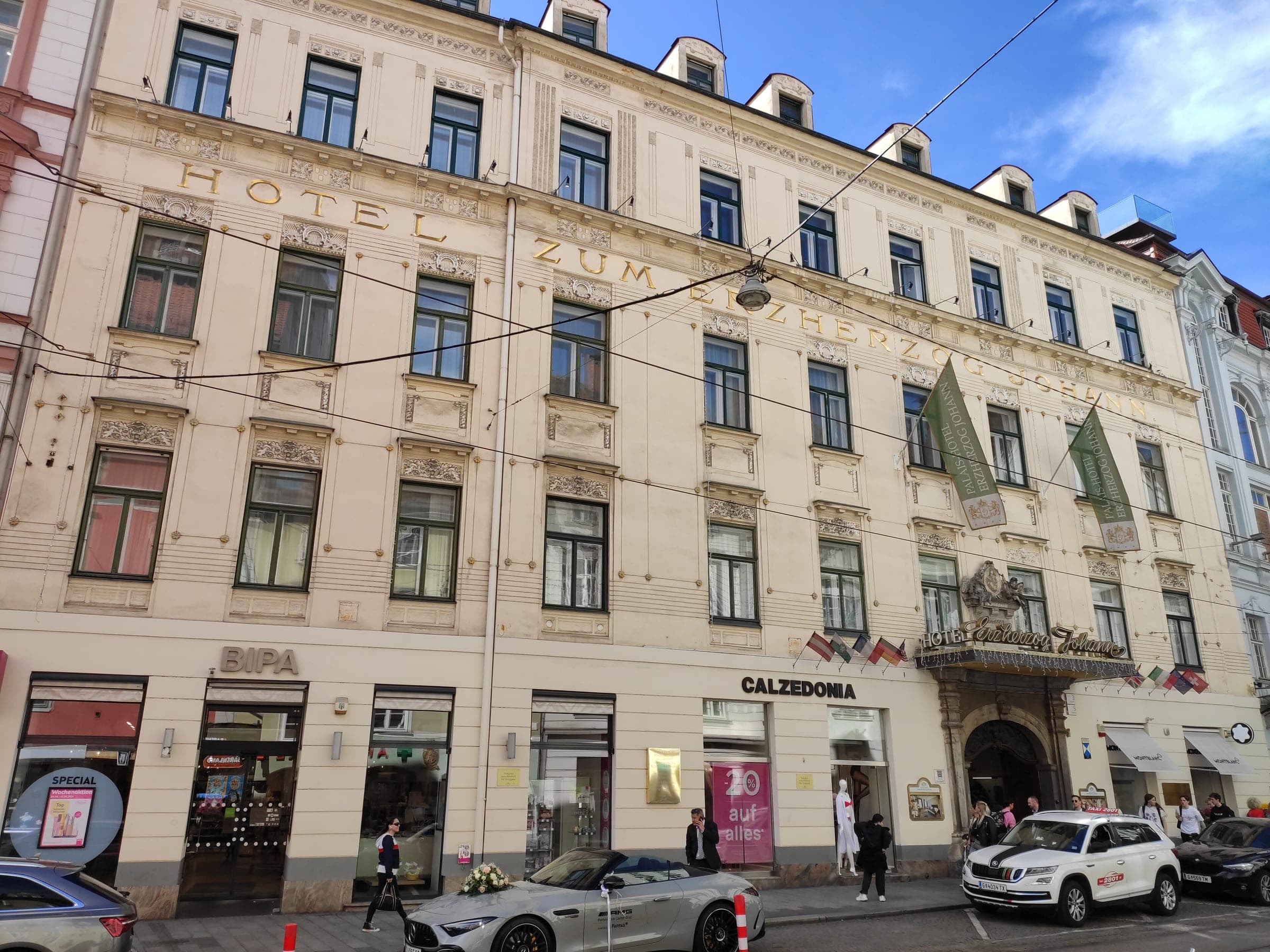
You can walk between all of Graz's old-town markets in an evening from a hotel near the Hauptplatz, and the ice nativity in the Landhaushof costs nothing to see. The squares are small, so Friday and Saturday nights get packed. For a quieter night away, Mariazell holds its market in front of Austria's best-known pilgrimage church from Thursday to Sunday, and the basilica hosts concerts on most market evenings.
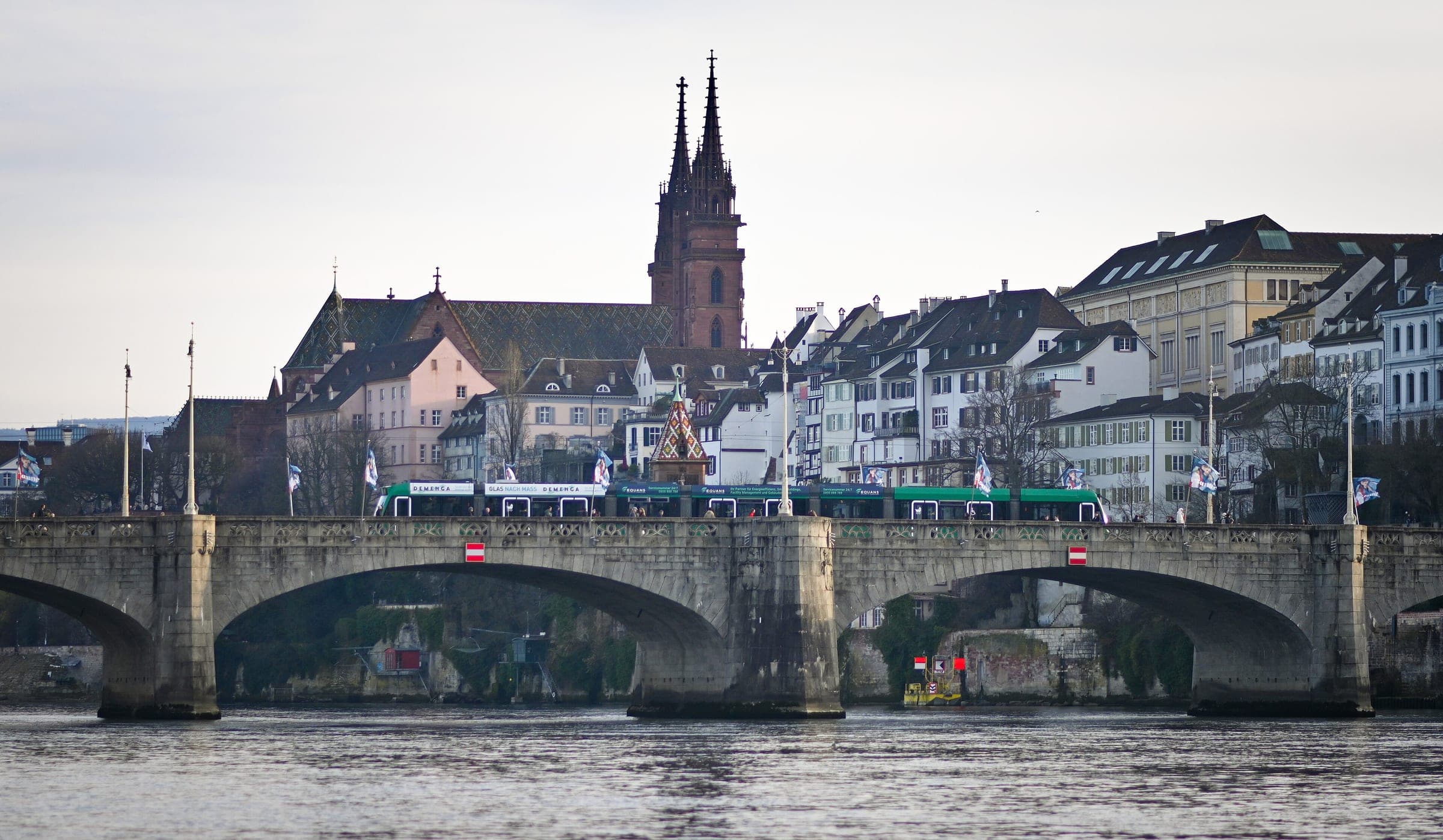
Switzerland suits a short market trip by train, since the stalls stand close to the main stations. Zurich gives you several markets within a short walk of its station hall, and Montreux strings its chalets and big wheel along the quays of Lake Geneva. Budget for Swiss prices on every mug and fondue, and get to Einsiedeln's abbey market early in the season, because it closes on 6 December.
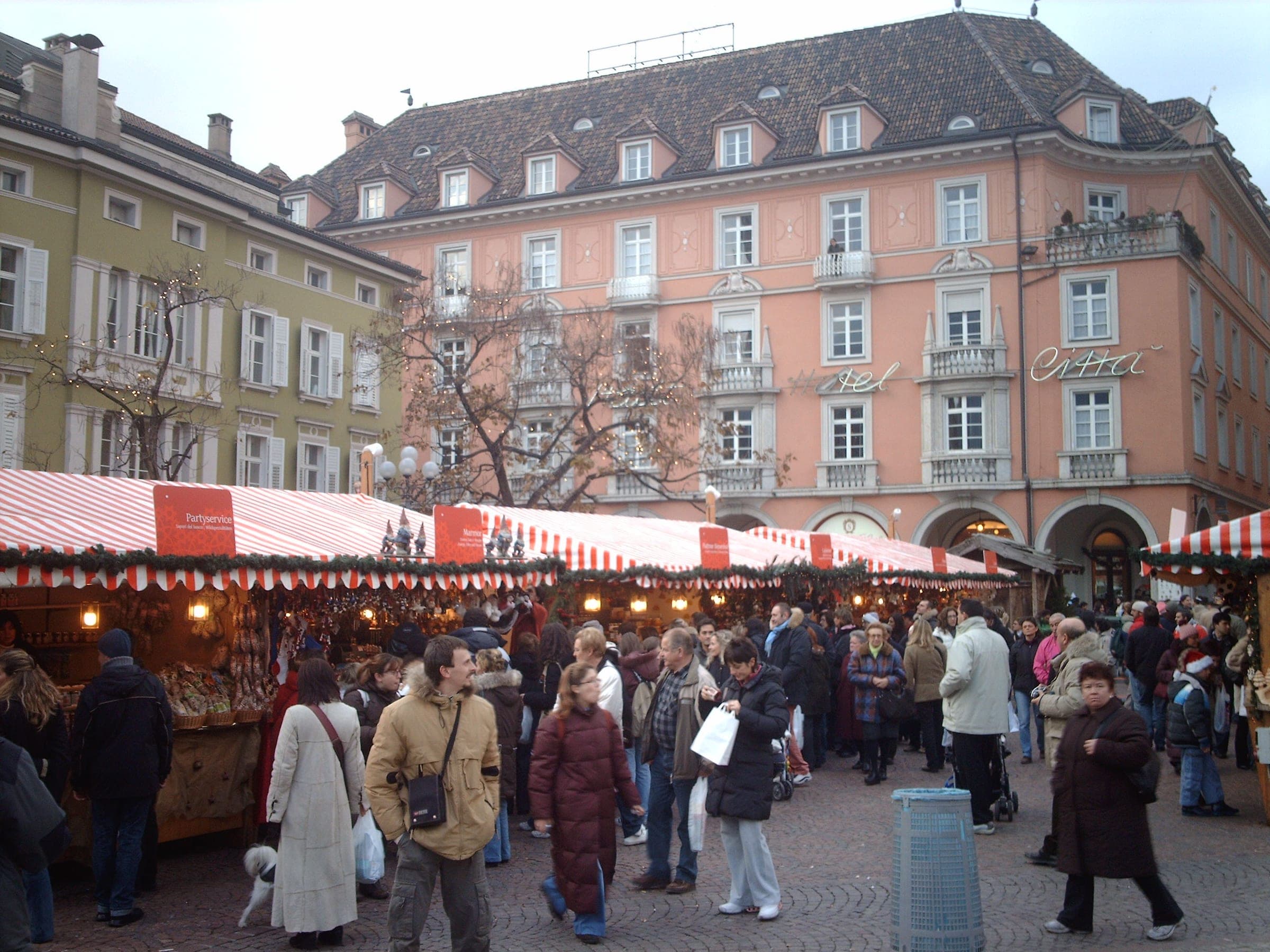
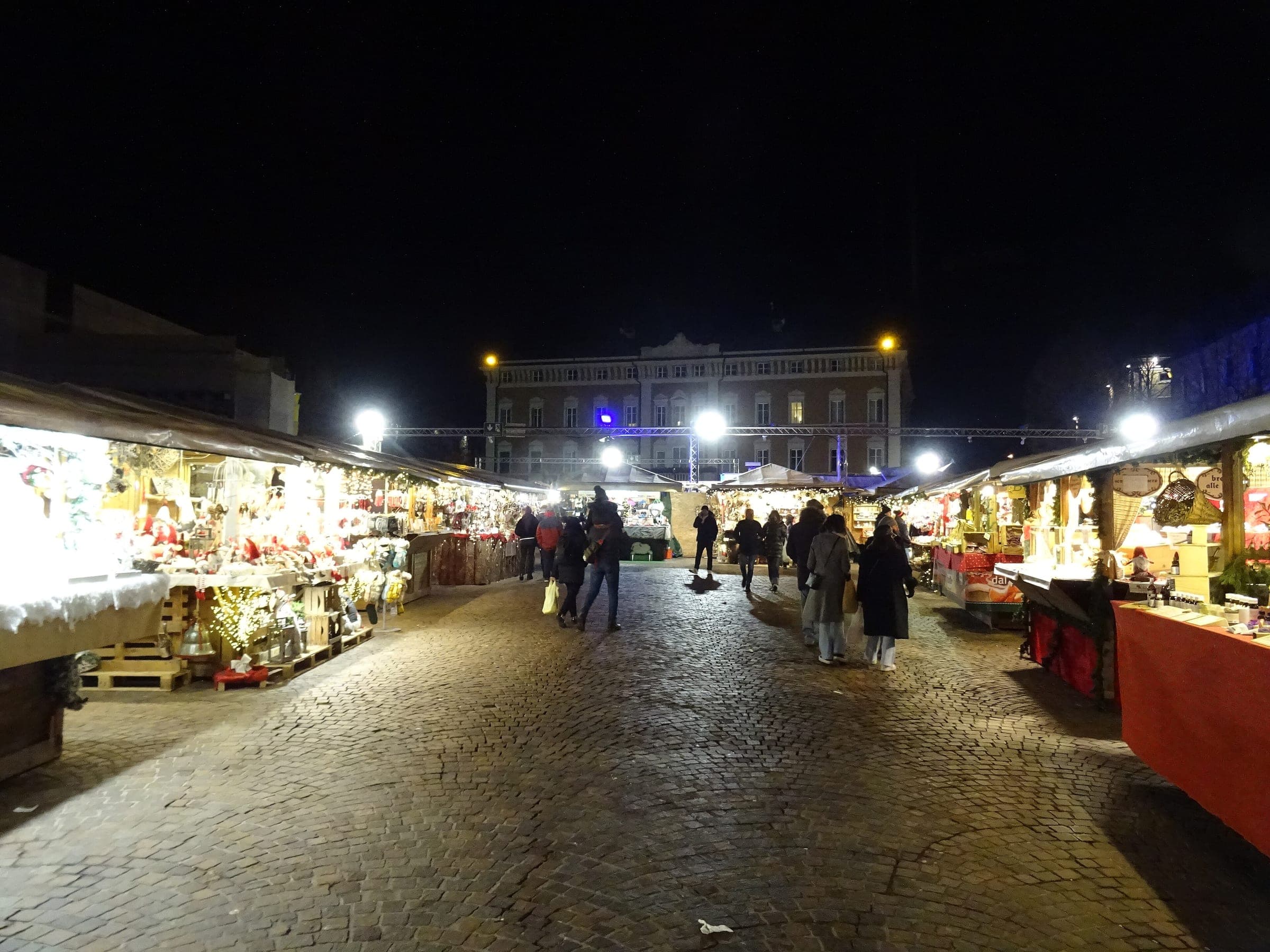
Bolzano makes the practical base, because its station sits beside the old town and regional trains run out to Merano and Brixen. Couples who want a spa town go to Merano, where the stalls line the river and the thermal baths sit across the footbridge. These markets run on to 6 January 2027 with a break on Christmas Day, and Bolzano's square fills up at weekends.
Trento fills Piazza Fiera and Piazza Mostra with 77 huts, and its market suits food lovers and anyone travelling over Christmas, because it opens on Christmas Day, when the South Tyrol markets stay shut. The organizer counted about a million visitors in 2024. Stay in Trento for an Italian-speaking city and ride the Brenner line north to Bolzano's market.
Prague leads, and its markets on Old Town Square and Wenceslas Square run until 6 January 2027, so a trip after Christmas still finds stalls. Old Town Square is the city's busiest and dearest, and Náměstí Míru in Vinohrady sells Czech crafts for less. Český Krumlov suits a slow Advent weekend at its small market below the castle.
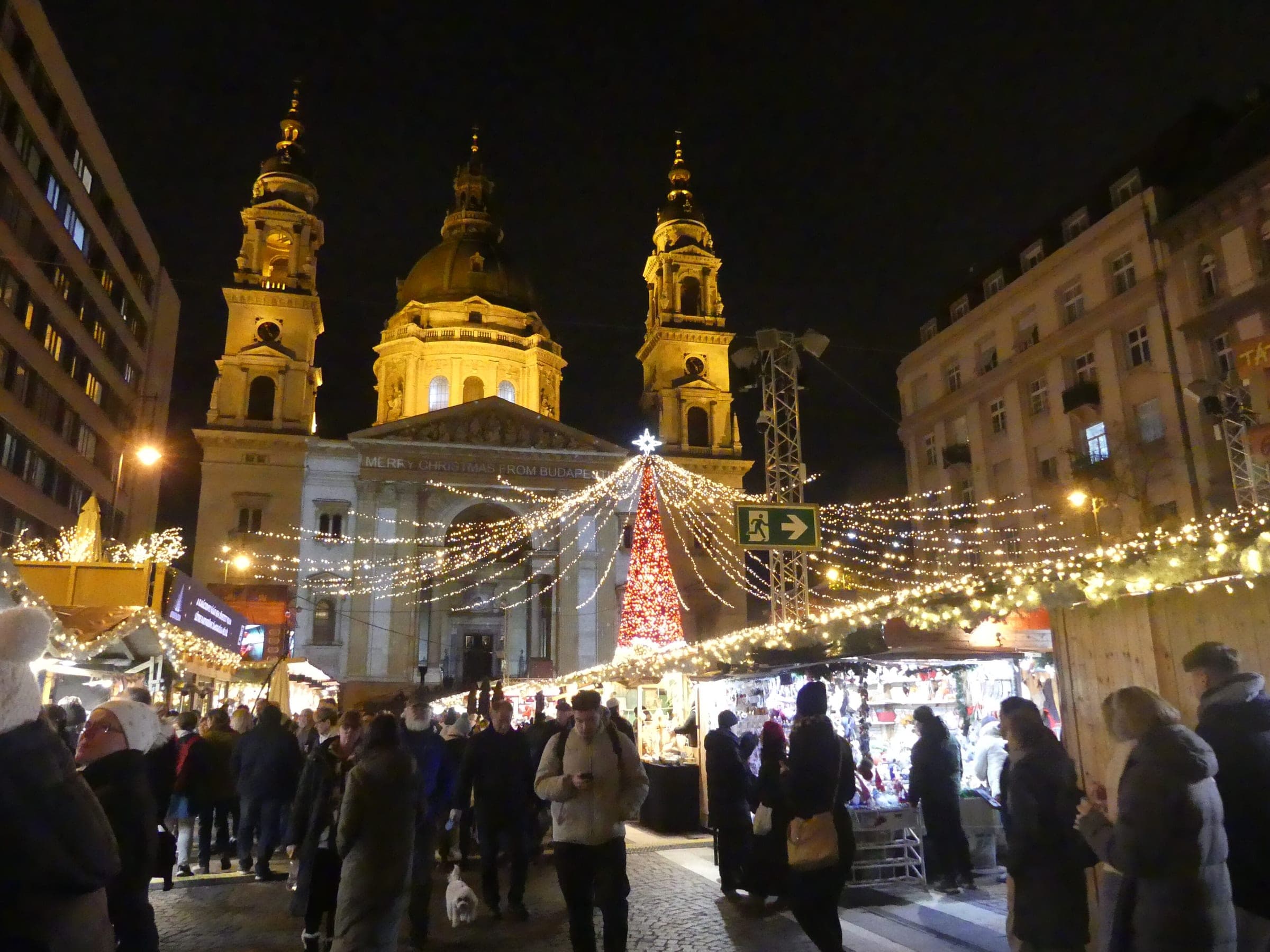
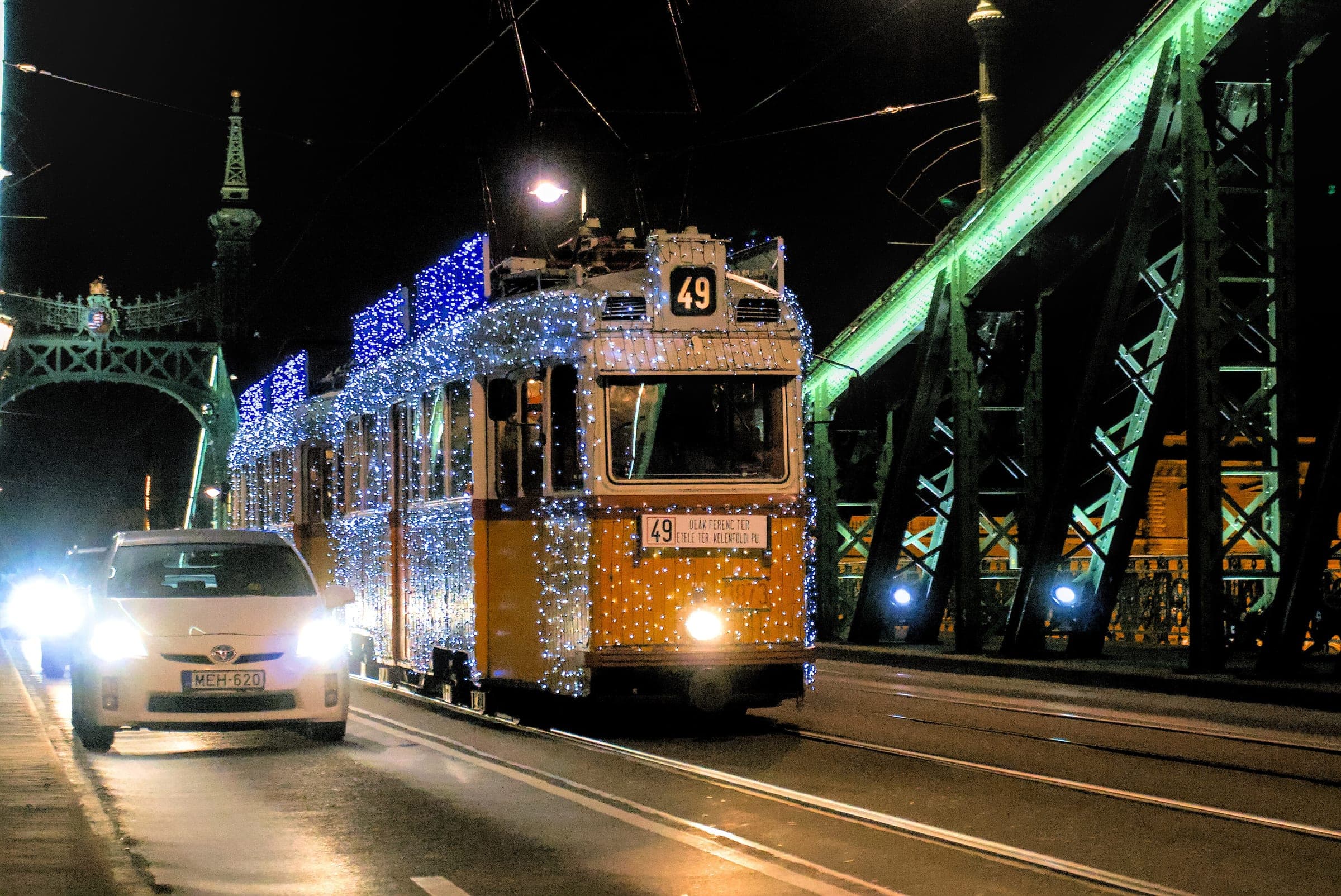
The two big markets in Budapest stand on Vörösmarty tér and in front of St Stephen's Basilica, and both run from 13 November 2026 to the turn of the year. Their prices are set for tourists, so head out to Fő tér in Óbuda for a neighbourhood market. On Christmas Eve the markets cut their hours and public transport stops at about 16:00, so book dinner near your hotel.
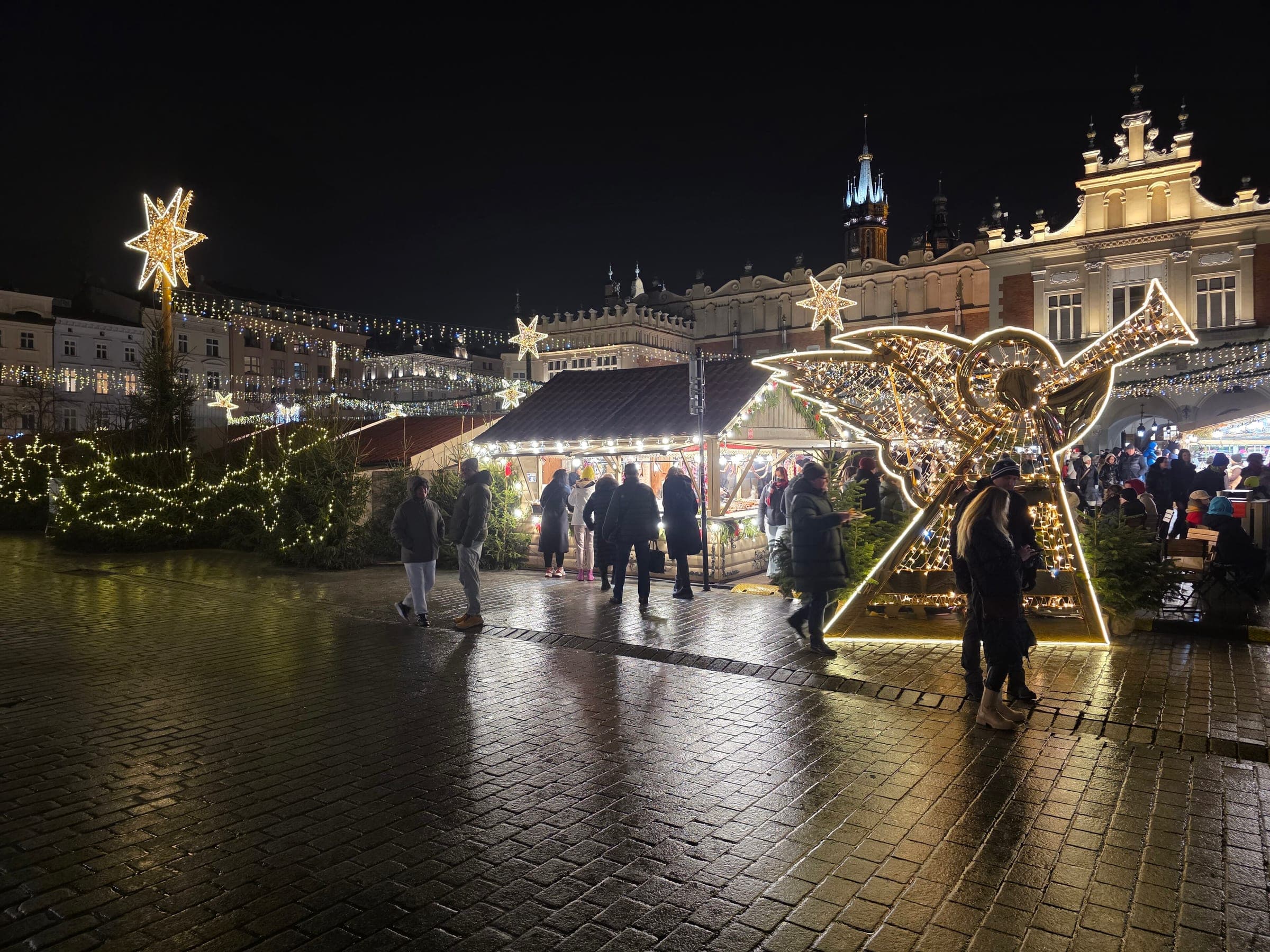
Kraków's fair on the Main Market Square leads, and on the first Thursday of December the szopka makers carry their nativity cribs onto the square for the city's contest. Wrocław fills all four sides of its Rynek with a fair that runs on to 7 January 2027. Gdańsk's big market in the old Hanseatic centre closes on 23 December, so put the Baltic coast early in your trip.
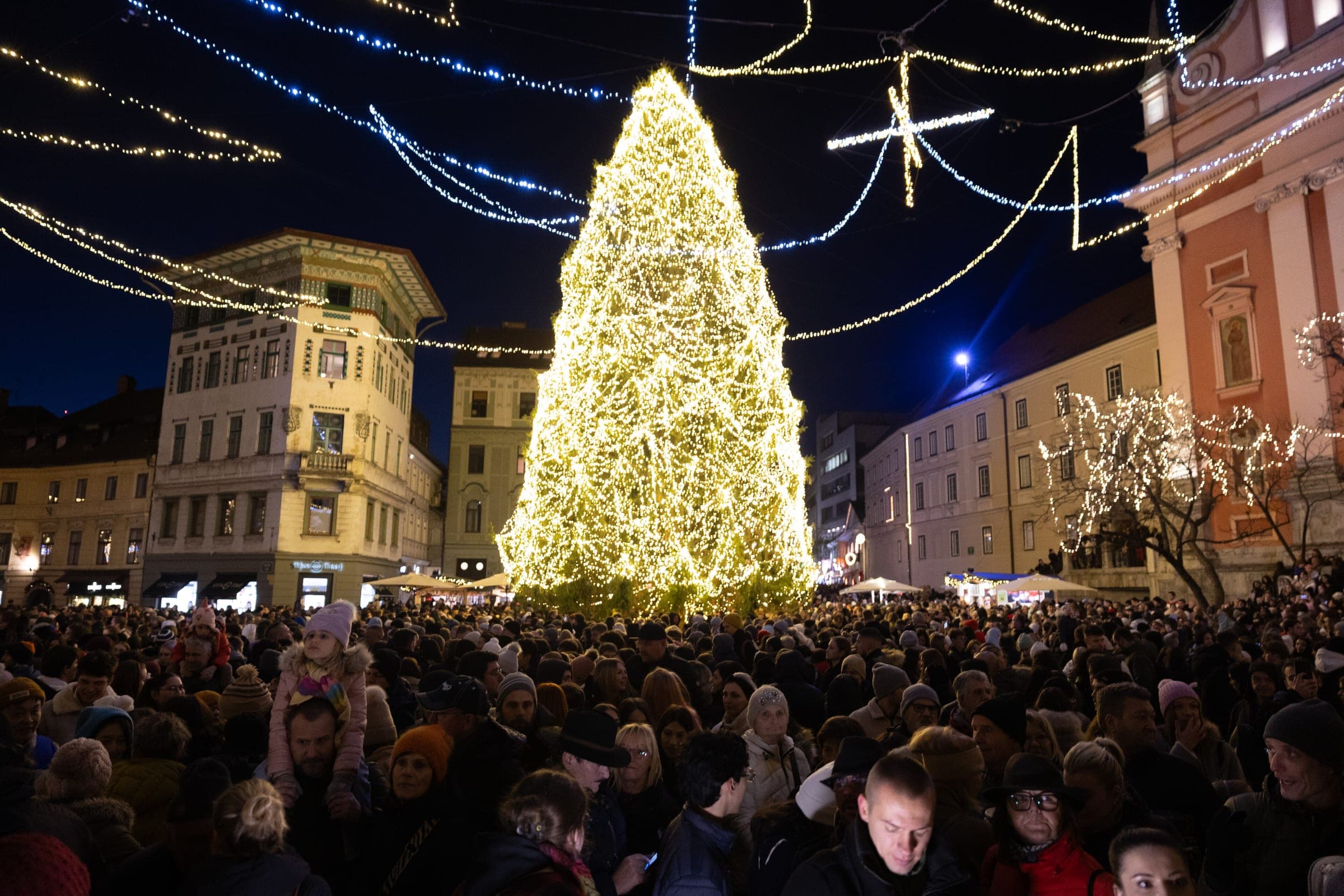
Ljubljana suits a couple on a slow weekend, and its wooden huts stand in small clusters along the Ljubljanica, so the evening turns into a riverside walk. The fair opens on the Friday before Advent, when the city switches on its lights, and in 2025 it carried on into January. December nights by the river are damp and often foggy, so bring layers.
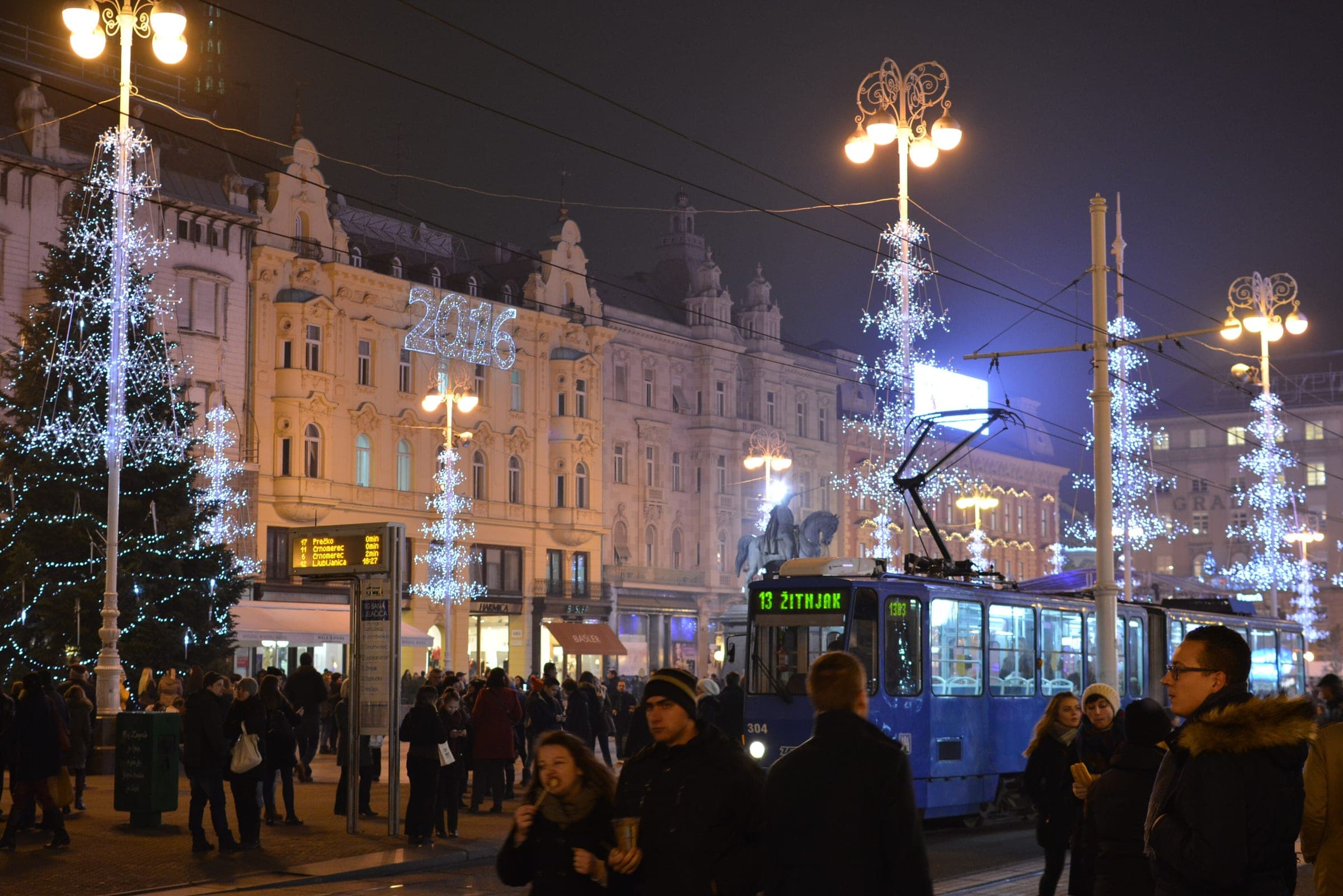
Zagreb runs Advent as a citywide festival from 28 November 2026 to 7 January 2027, and its stalls climb from the parks of the Lower Town into the Upper Town. Families and groups who like a different corner each evening do well here, and the ice rink on King Tomislav Square stands in front of the main station. Expect to walk between sites, and dress for standing outdoors after dark.
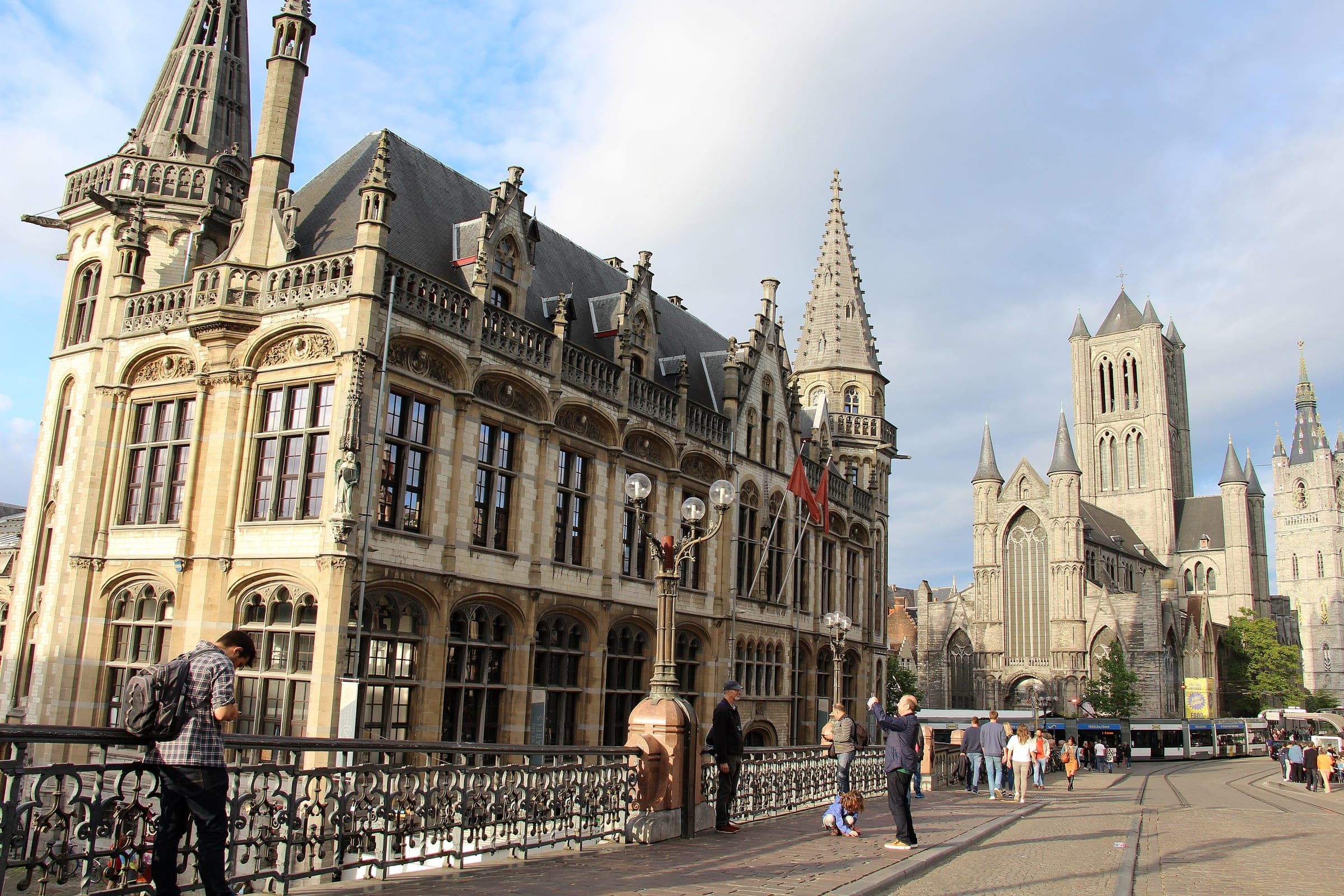
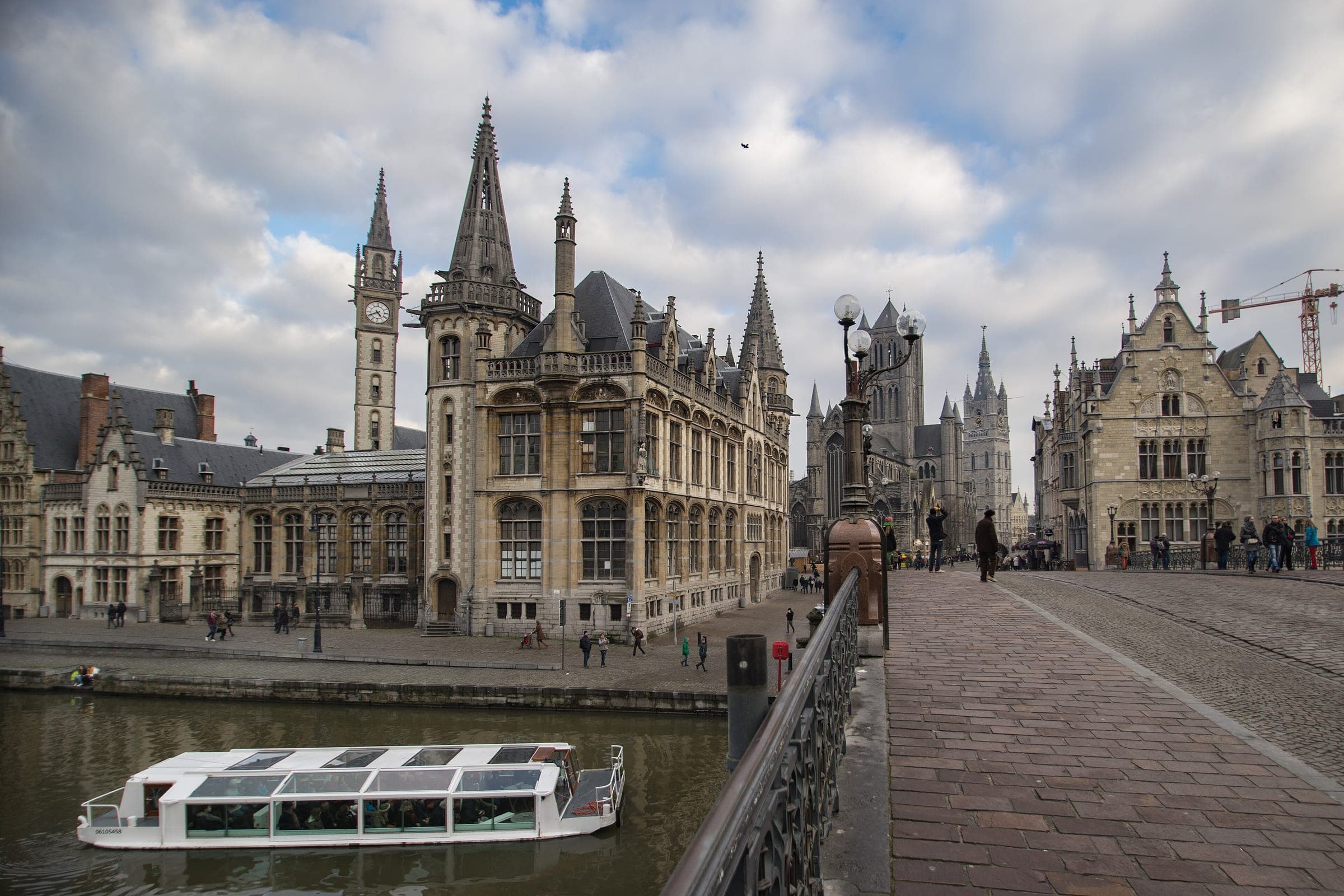
Brussels makes the easiest base, because Winter Wonders spreads over eight squares of the lower town and direct trains run out to Bruges and Ghent. Bruges suits a couple on a slow weekend, and its small market under the gables of the Markt pairs well with the covered ice rink and a beer café. Ghent's Winter Festival opens only on 3 December, so a late-November trip misses it.
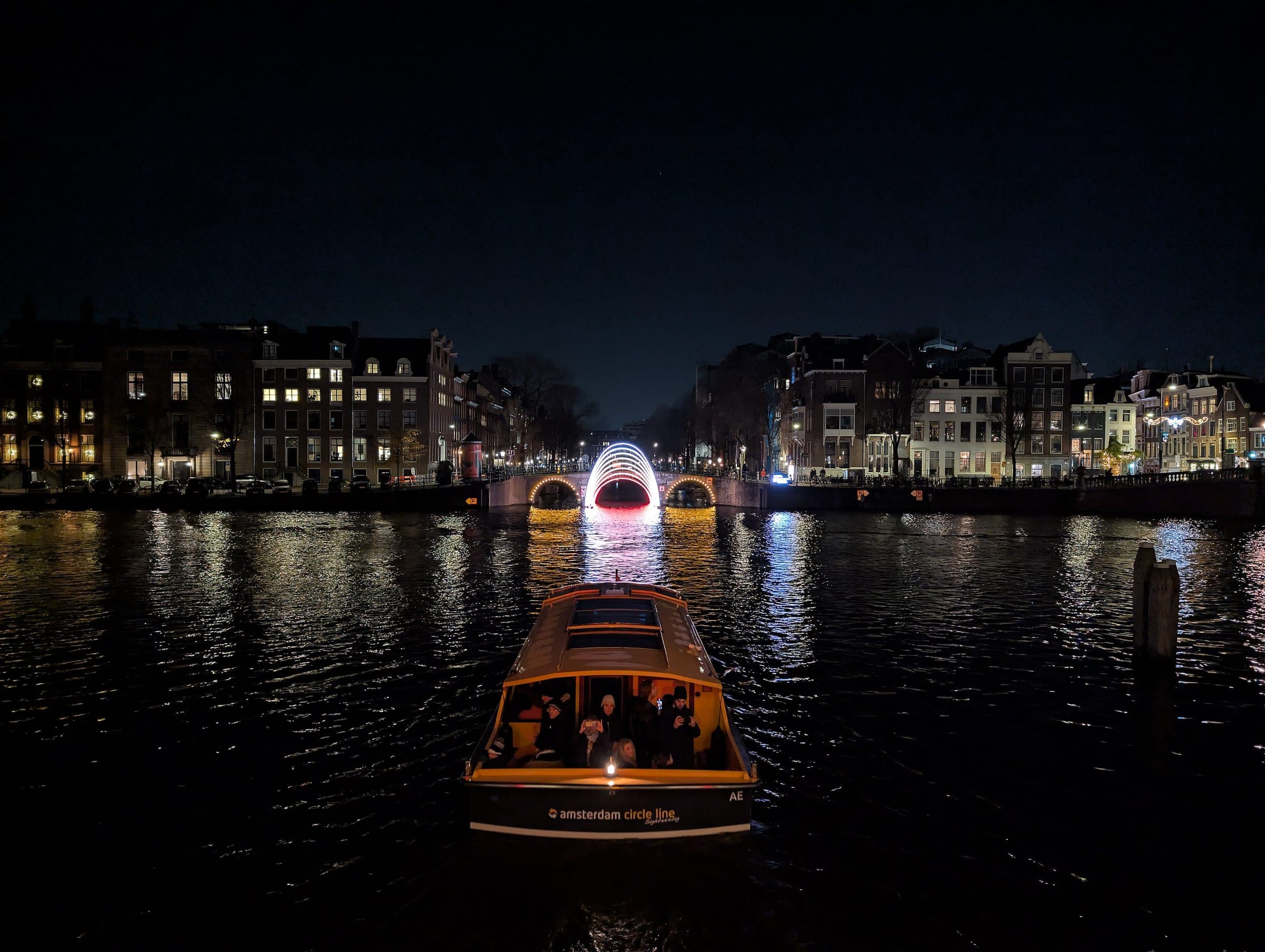
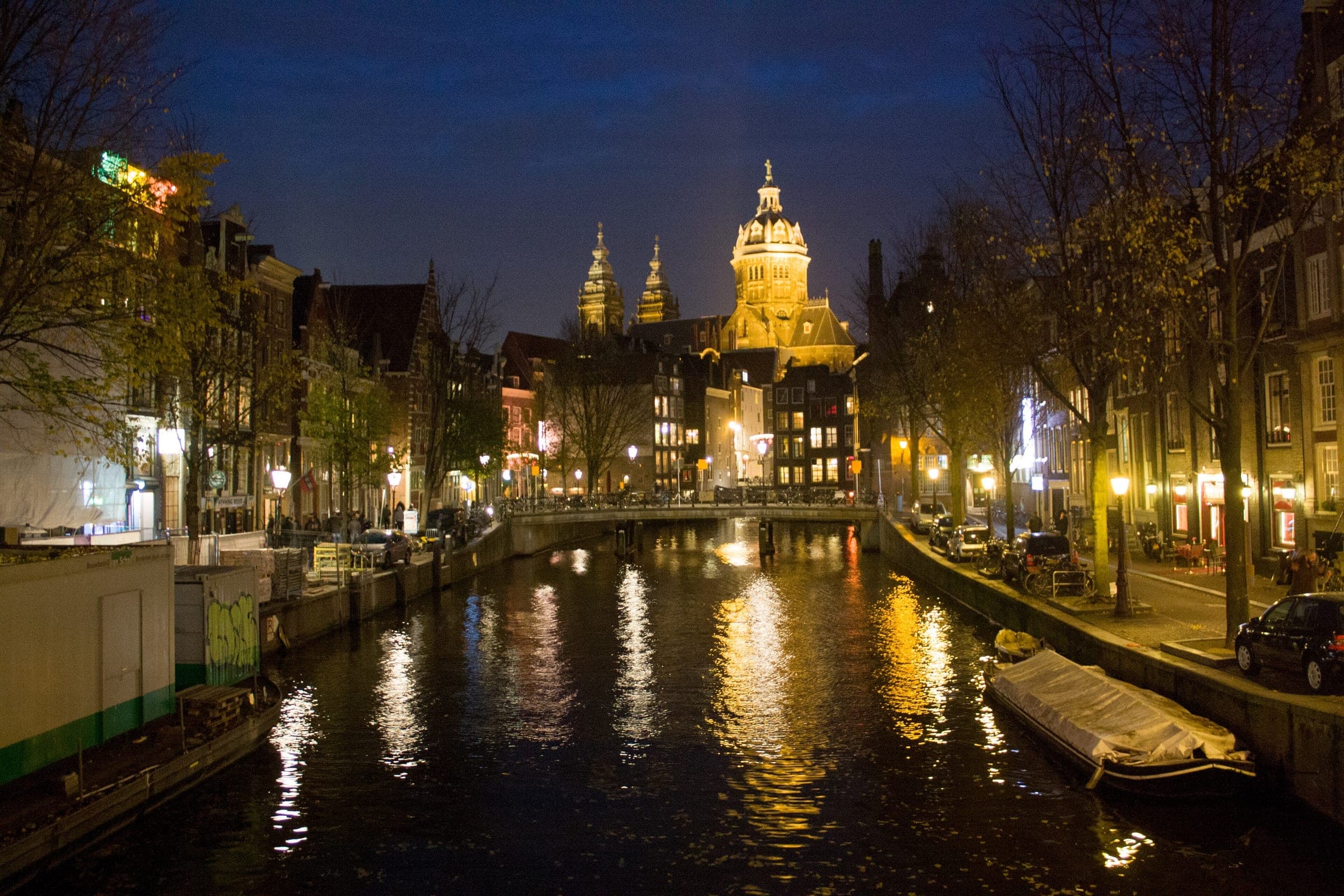
Valkenburg holds two Christmas markets inside marl caves under the town, and Maastricht makes the base, since the Vrijthof market stays open late and the caves are a short train ride east. Book a timed cave slot for a weekday if you can, because weekend slots sell out first. Amsterdam builds its December around the Light Festival on the canals and keeps one small Christmas Village on the Museumplein.
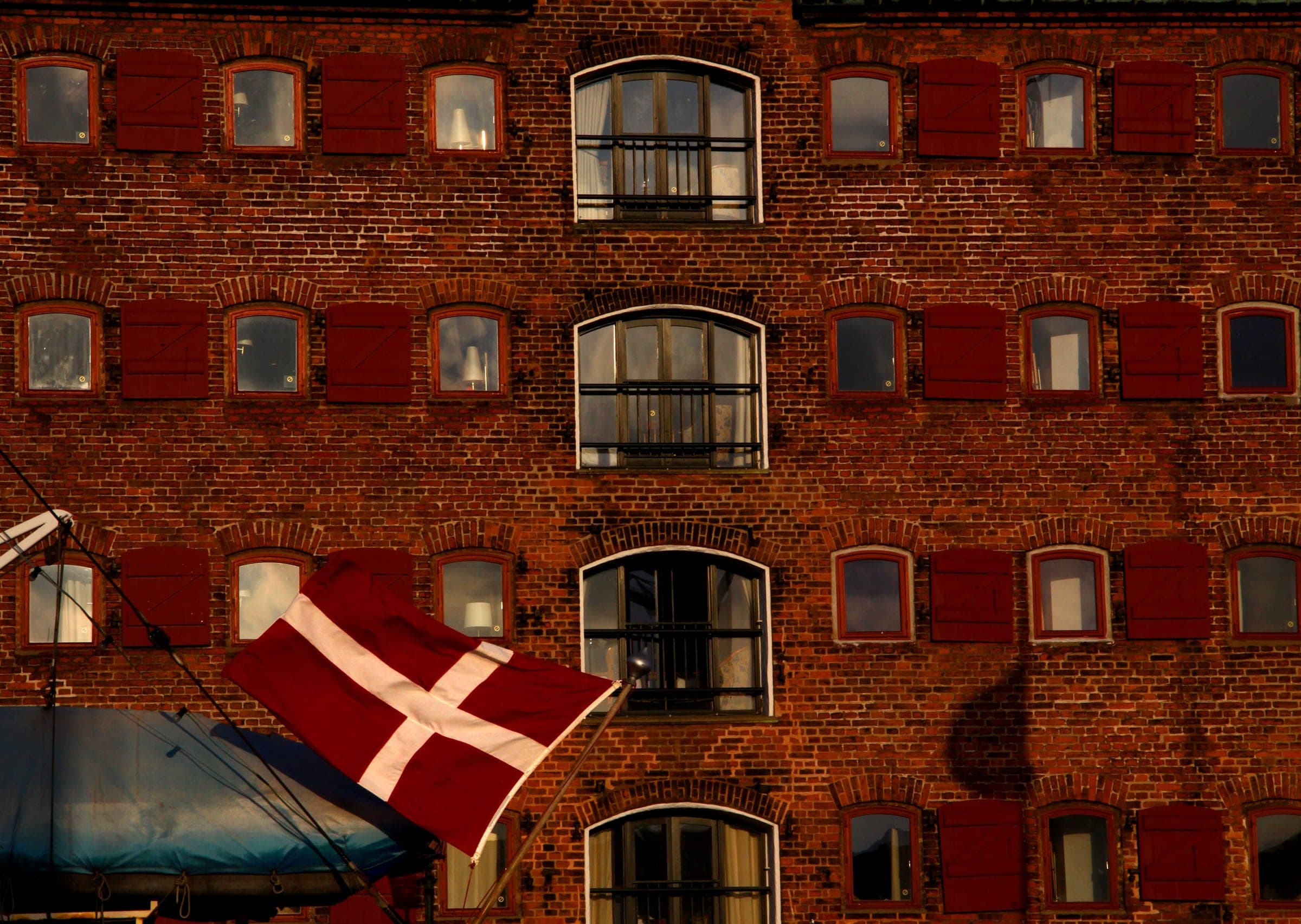
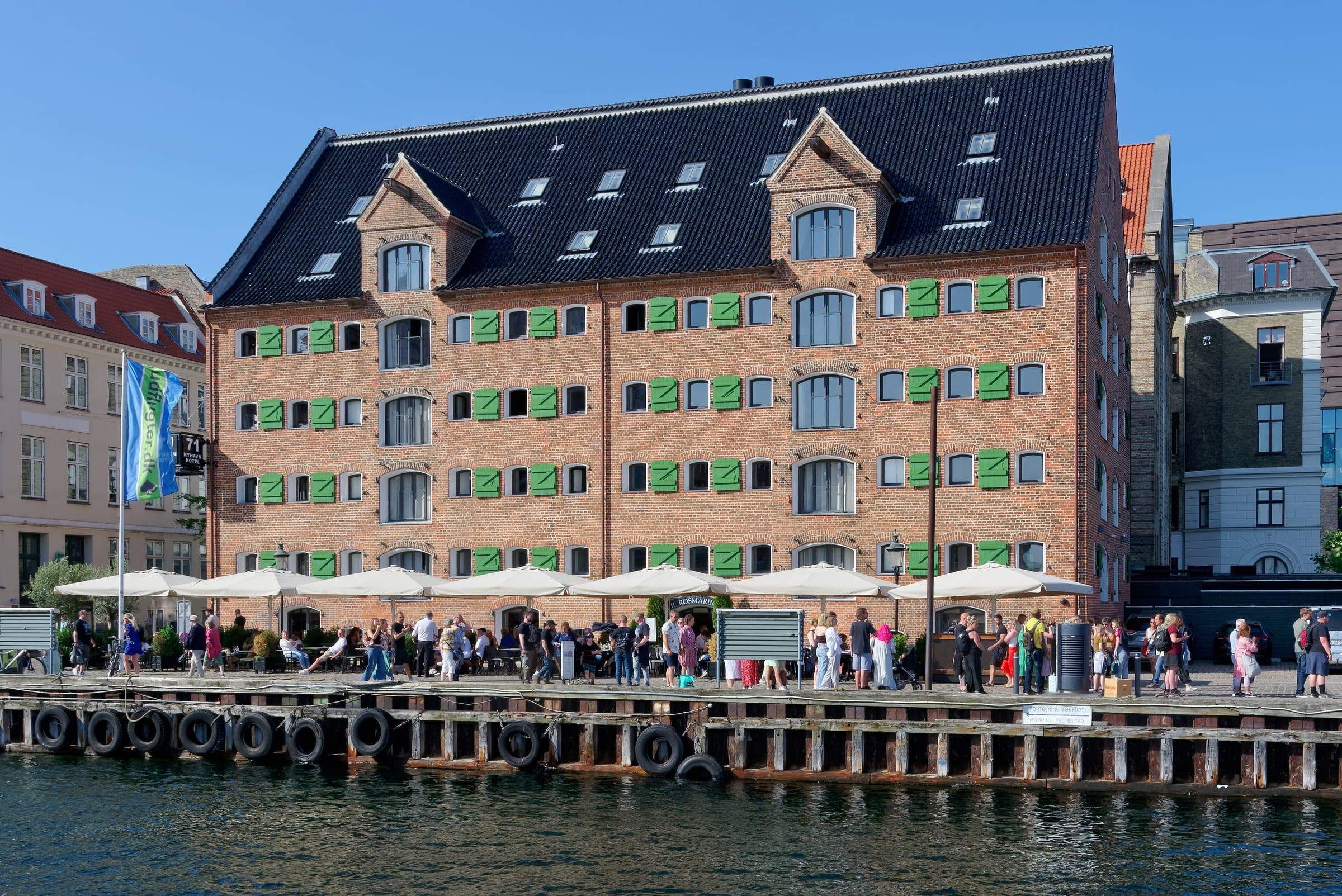
Copenhagen is the base, and Christmas in Tivoli runs beside the main station into January with its rides and stalls behind one ticketed gate. The free square markets just off Strøget close before Christmas, so come between late November and mid-December to catch them with Tivoli. December light goes by mid-afternoon, which leaves the mornings for sightseeing.
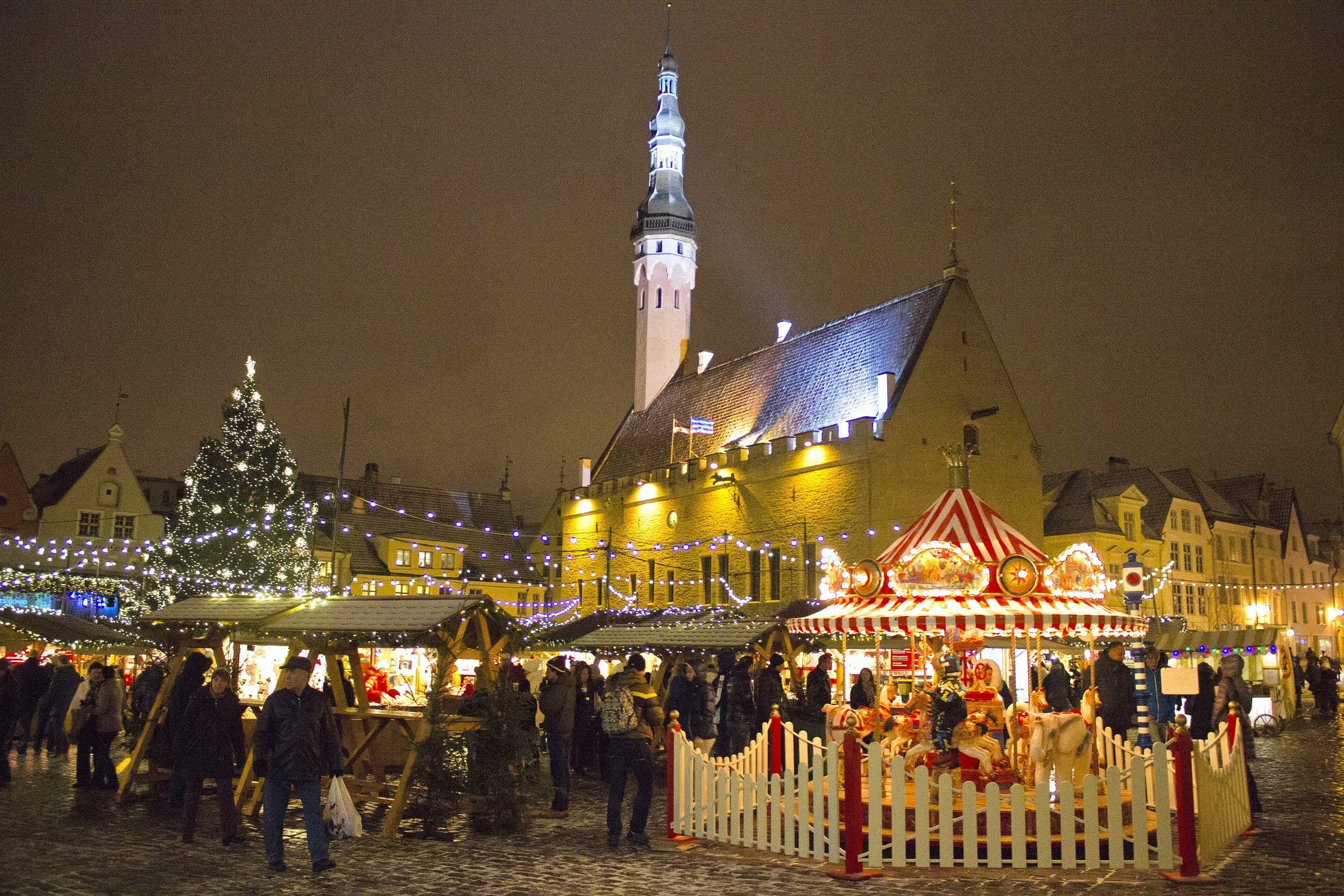
Tallinn's market fills Town Hall Square inside the walled Old Town every day from 20 November 2026 to 6 January 2027, so a New Year trip still finds the stalls open. All the huts stand on that one square, and the space around the tree gets tight while the stage programme runs from Friday to Sunday. Pack proper boots, because the Old Town cobbles turn icy.
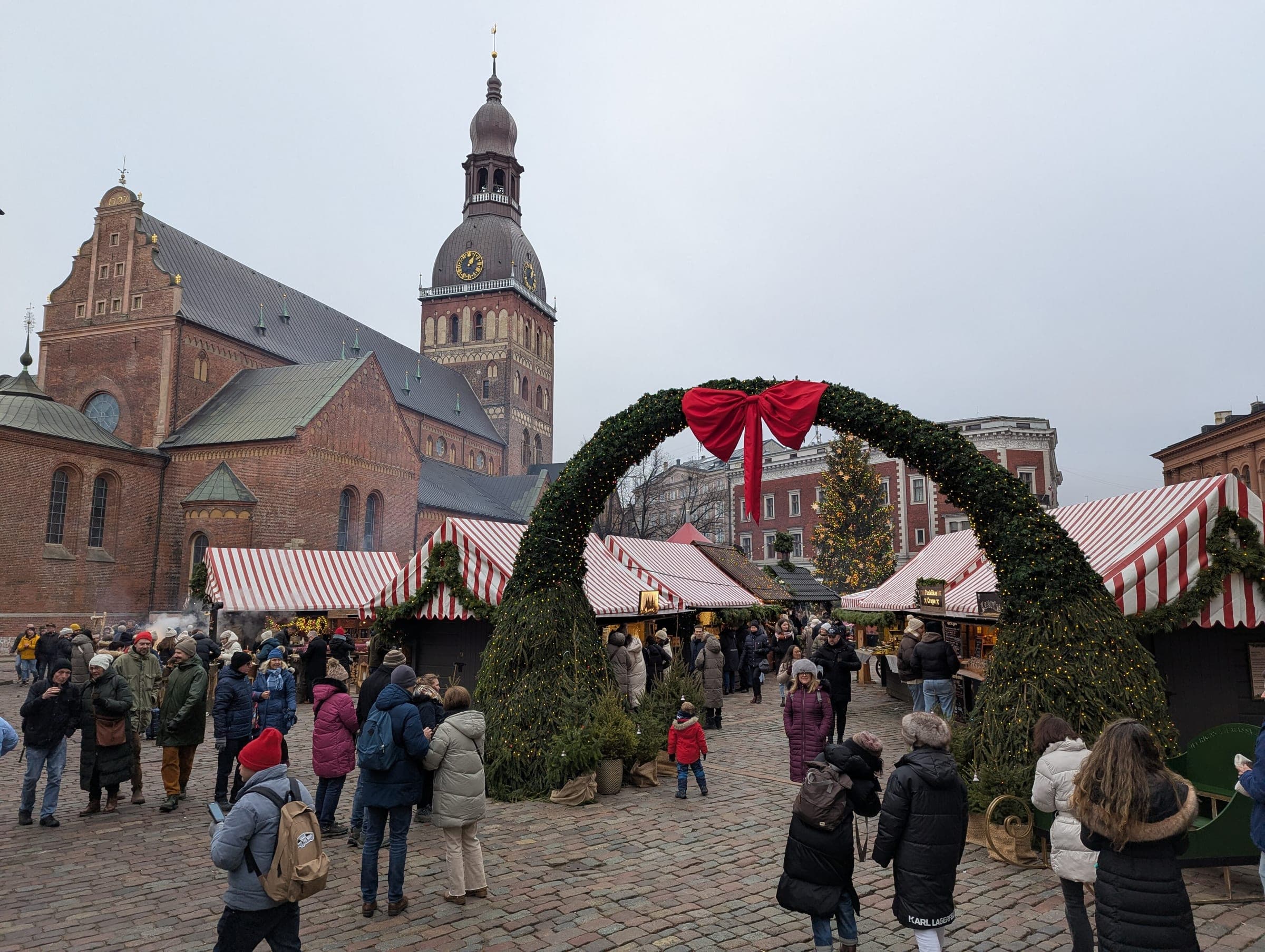
Riga's market fills Dome Square under the cathedral from 27 November 2026 to 3 January 2027, and in 2025 most of its traders were Latvian makers and food producers. The whole thing sits on one square, which suits families and couples who want an easy wander between dinner and the hotel. It opens a week after Tallinn's, so a Baltic loop in late November should start in Tallinn.
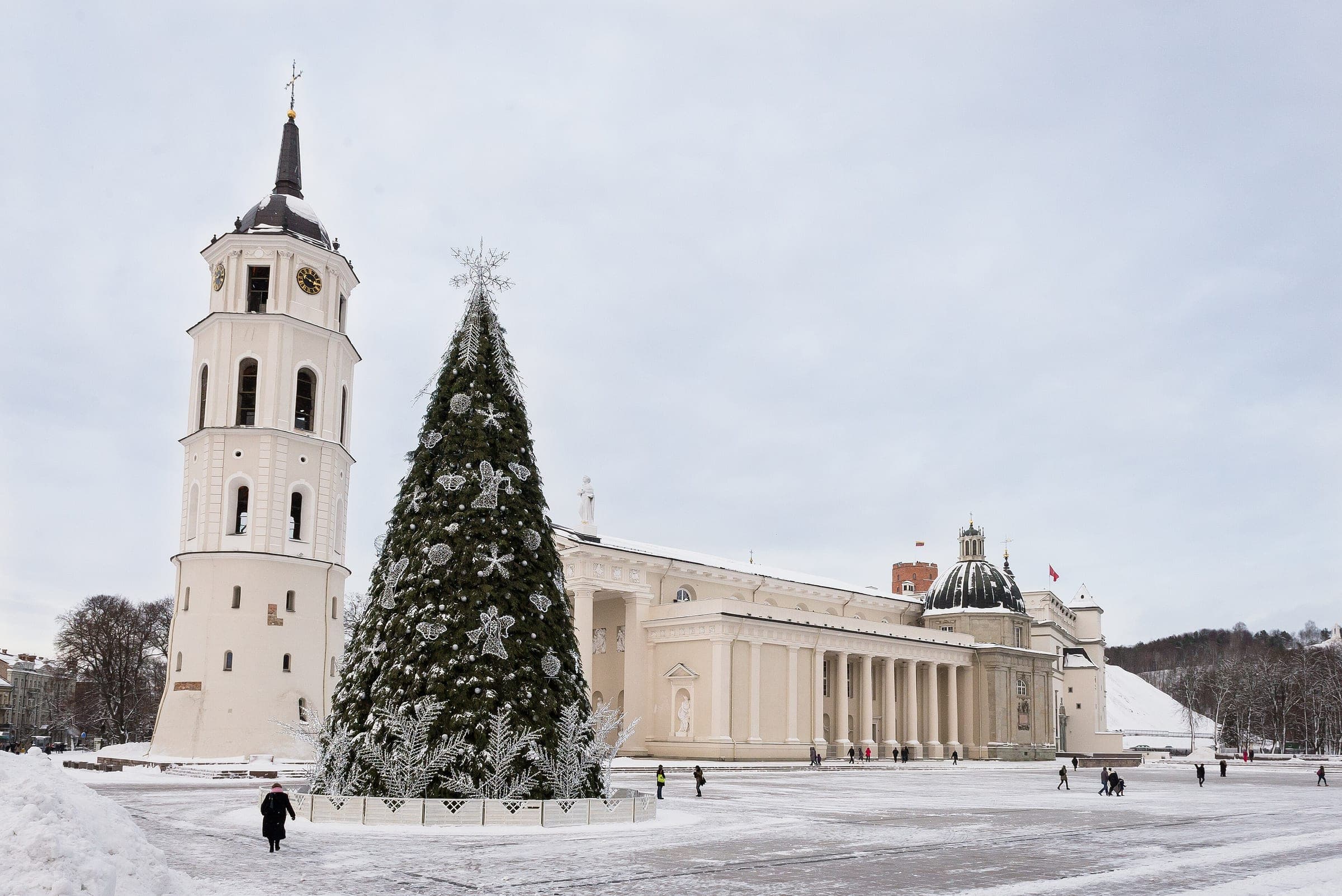
Vilnius suits travellers who come for the tree as much as the stalls, because the city redesigns its Cathedral Square tree every year and sets a small Christmas town beside it. The season opens when the tree lights up on the last Saturday of November. The Christmas town closed on 28 December in 2025, so plan Vilnius for the weeks before Christmas.
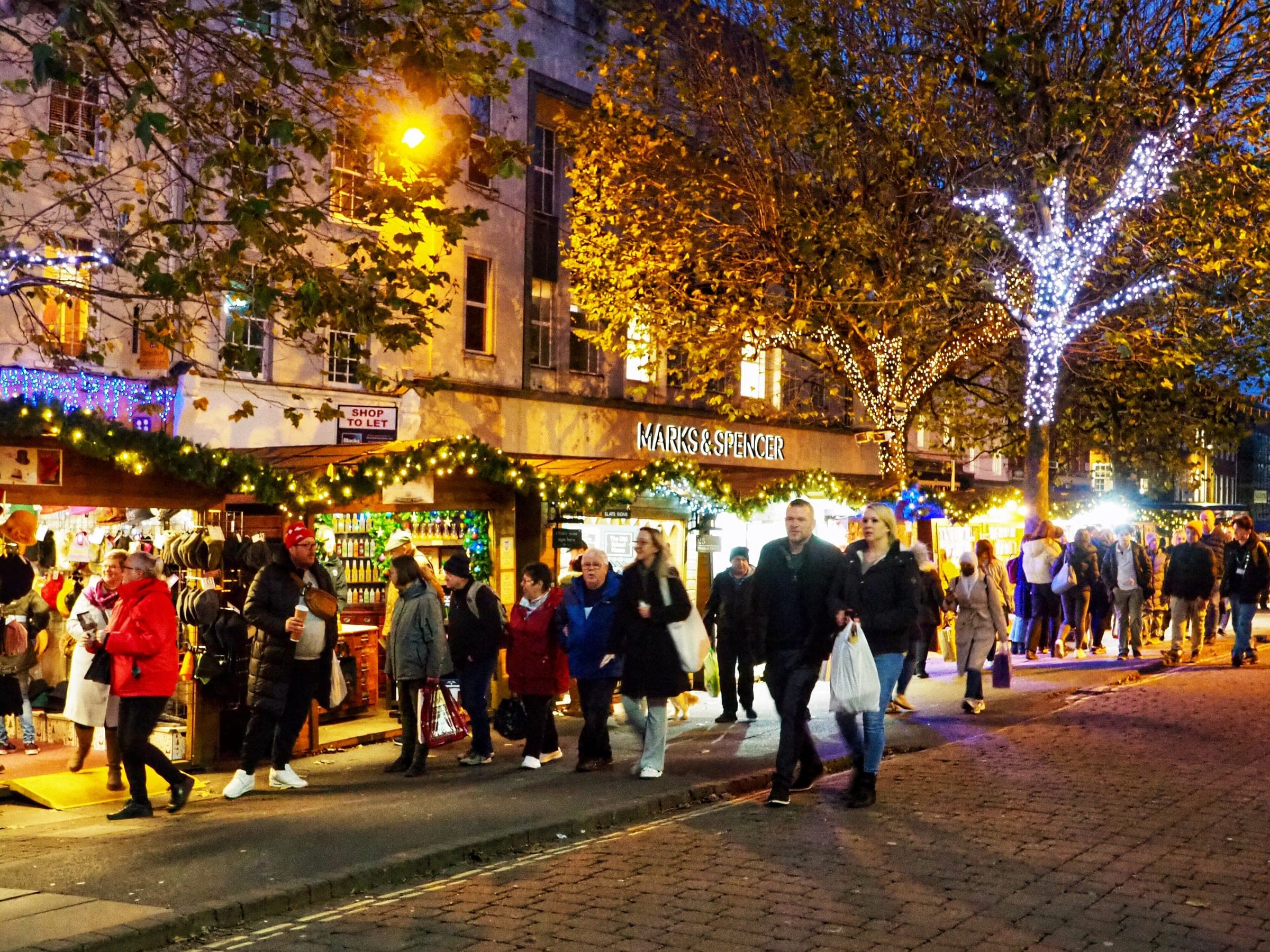
York lines Parliament Street with chalets inside its medieval walls, and Bath spreads more than 180 of them through the streets around the Abbey, so both suit a compact weekend on foot. London leans towards big fairs, and the one in Hyde Park sells entry by timed ticket. Bath's market closes on 13 December and York's shuts every Tuesday, so check the calendar before you book.
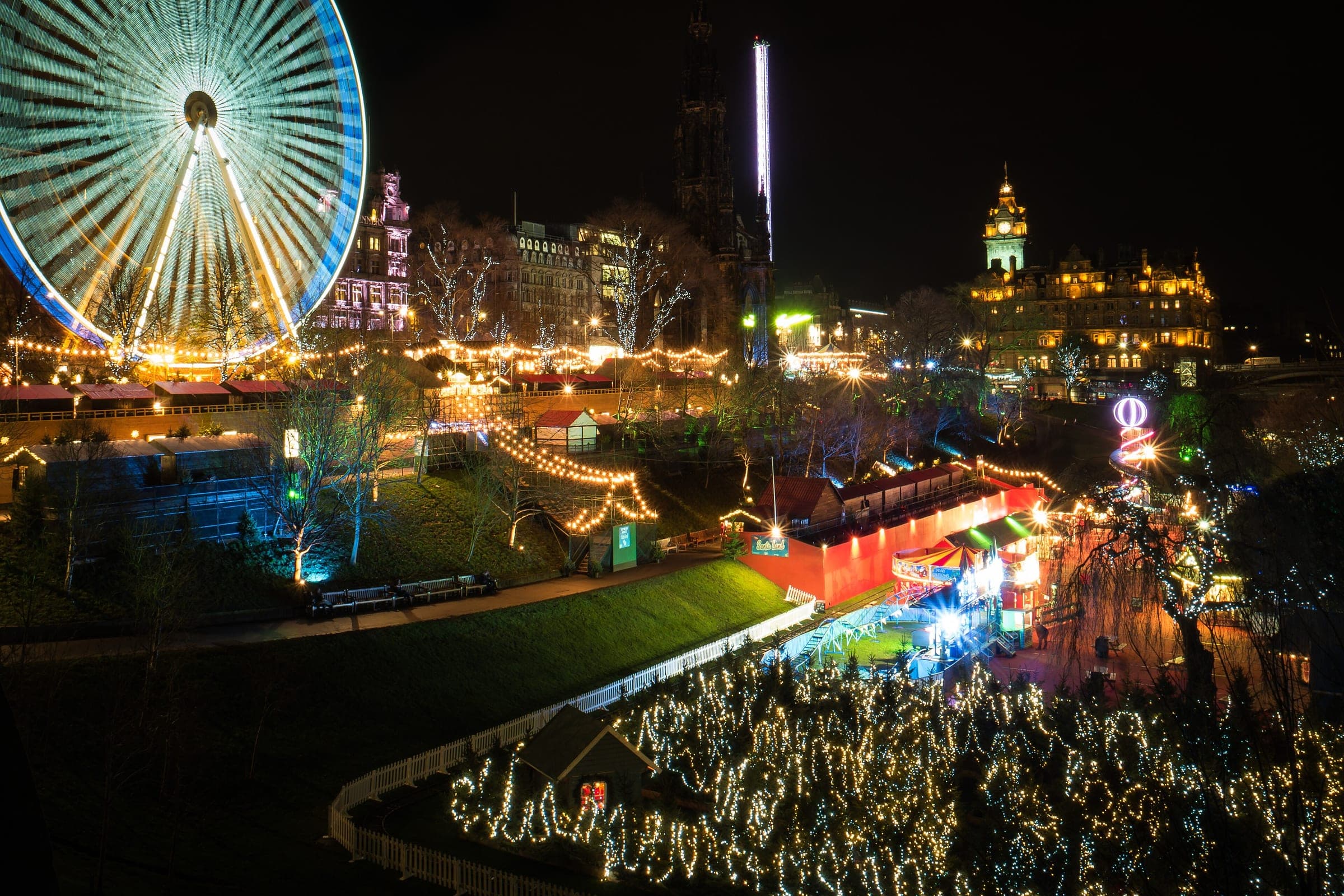
Edinburgh's market fills East Princes Street Gardens below the castle from 14 November 2026 to 3 January 2027, so a stay can run from Christmas into Hogmanay. Waverley station opens right onto the market. The narrow garden paths crowd at peak times, and weekdays are easier, since every gate is open then and level access works from any entrance.