Alsace Christmas tree and its decorations
sapin de NoëlCustomFirs bought for Strasbourg parishes in…
Alsace holds some of the earliest written records of the Christmas tree, and the region suits anyone curious about where the decorated tree came from, with Meisenthal's blown glass baubles made just over the border in Moselle. The famous Sélestat date of 1521 is one record among several, and Strasbourg's archives hold an older one.
Related places
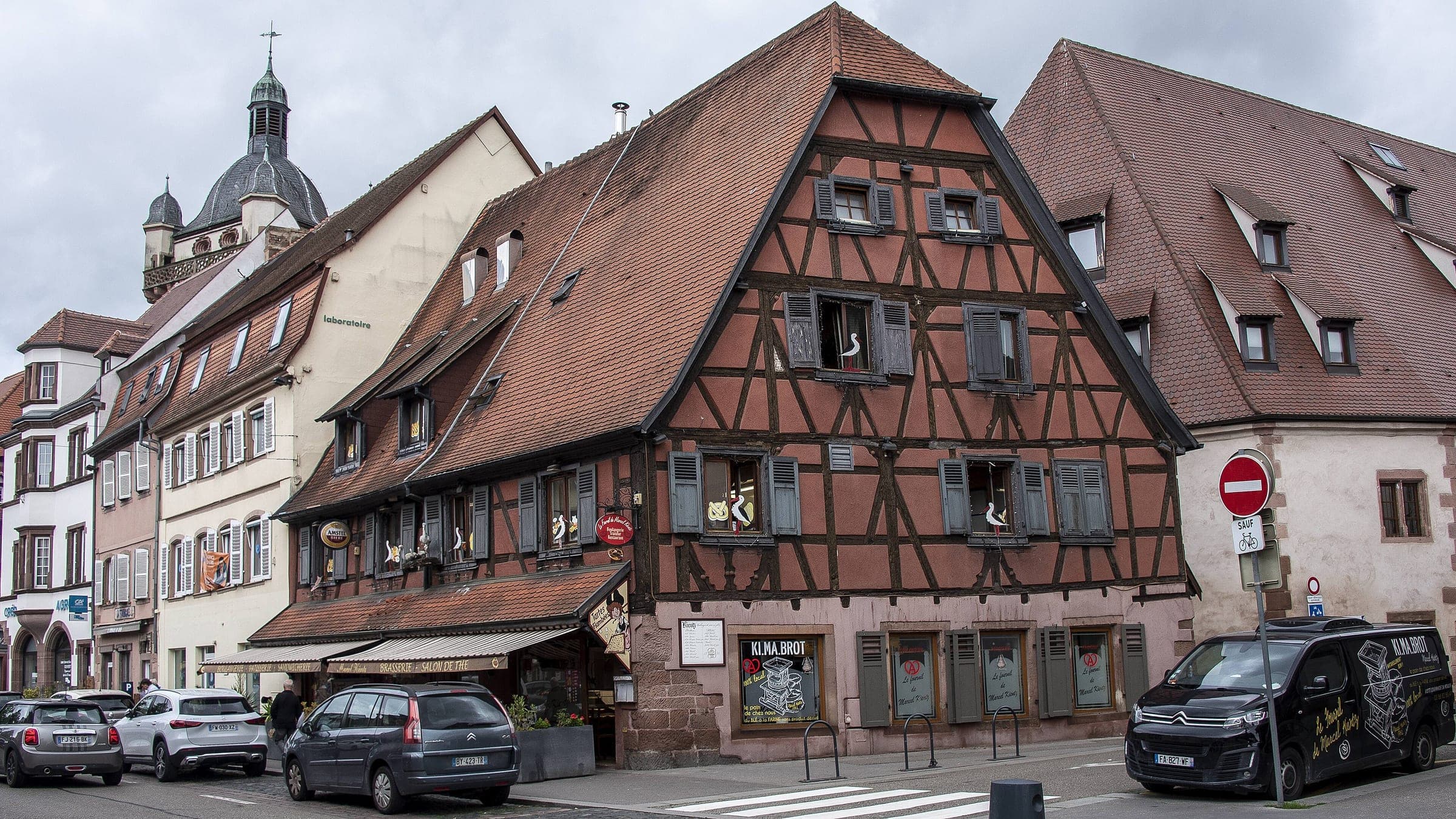
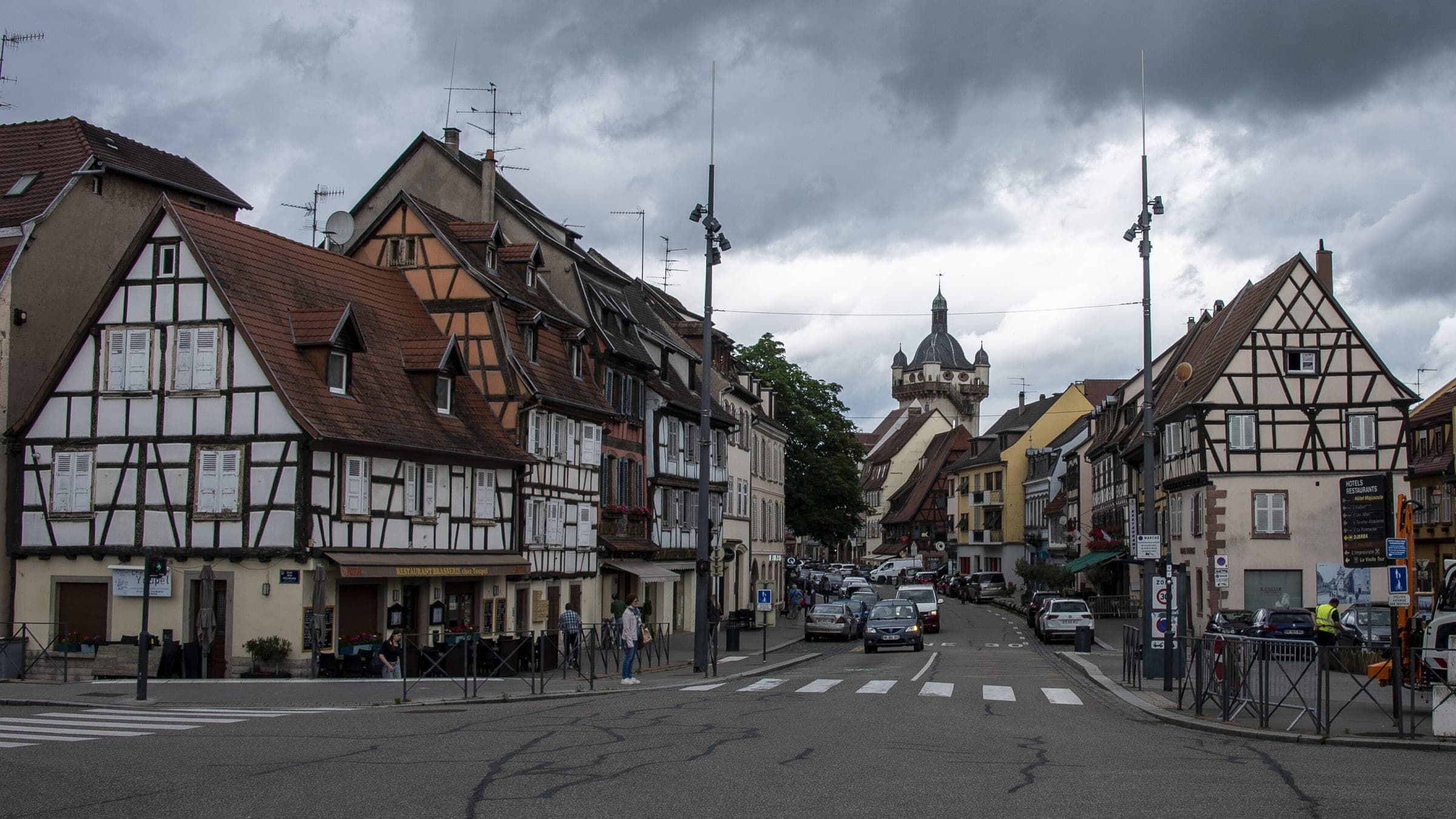
Sélestat is the town most guides name, for a municipal rule of 1521 that let the forest guards allow residents to cut small firs for Christmas. The French Wikipedia cites Perrot (2002) for that rule and sets an older record beside it: in 1492 the Œuvre Notre-Dame in Strasbourg bought nine firs for the city's nine parishes for two florins, to greet the new year. A rule of 1561 regulating the cutting of trees in Alsace shows the habit was spreading, and in 1611 a tree-cutting ban in Turckheim uses the word for a Christmas tree for the first time on record.
A Strasbourg writer described households in 1605 setting up firs hung with paper roses, apples, flat wafers, gilded sweets and sugar figures. An early 17th-century chronicle by Balthasar Beck, kept at Sélestat's Bibliothèque Humaniste as manuscript 273, mentions firs decorated with apples and wafers. Alsace also has a habit of hanging the fir upside down from the ceiling, and Sélestat has hung a row of suspended firs in its church. The French Wikipedia treats the claims of a pre-Christian Germanic origin for the tree as wrong and unsupported, and it calls the Luther and Boniface stories legends.
The glass baubles come from just over the Alsace line in the Northern Vosges of Moselle. The story says a drought in 1858 left no apples to hang, so the glassblowers made glass ones. The Centre international d'art verrier in Meisenthal tells that tale as a legend and points to the industry behind it: the Goetzenbruck glassworks, which ran from 1721 to 2005, made silvered baubles from 1858, up to 250,000 a year. Production stopped in 1964. In 1998 the CIAV brought the last glassworkers in to teach blowing and silvering, and since 1999 it has issued baubles each year, with new pieces by invited designers next to reissued old models.
Worth knowing
- Buy Meisenthal baubles at the glassworks' own shop at Place Robert Schuman in Meisenthal during its opening season. The CIAV warns that each model is blown by hand, so a design you saw online may have sold out.
- Sélestat sits on the railway between Strasbourg and Colmar and makes a quieter Advent stop than either city. The Bibliothèque Humaniste holds the town's early manuscripts.
Quick answers about Alsace Christmas tree and its decorations
Was the first Christmas tree in Sélestat?
Sélestat holds a well-known record from 1521 that allowed residents to cut small firs for Christmas, and Strasbourg's archives hold an older purchase of nine firs for its parishes in 1492. Neither proves a first tree, and the French Wikipedia's sources treat many of the tree's origin stories as wishful history.
Where do Meisenthal Christmas baubles come from?
Meisenthal baubles are blown at the Centre international d'art verrier in Meisenthal, in the Moselle department next to Alsace. The CIAV revived the craft in 1999 after the Goetzenbruck glassworks, which made baubles from 1858, stopped in 1964.